
What Is a Filler Slab Roof? Complete Beginner’s Guide
If you're planning to build a home and researching sustainable construction methods, you've probably come across the term Filler Slab Roof. It is one of the most talked-about roofing techniques in cost-effective and eco-friendly construction, yet many homeowners are still unsure about what it actually is and whether it is suitable for their project.
The good news is that a filler slab roof is not a complicated architectural trend or an experimental construction method. It is a practical building technique that has been used for decades to reduce material consumption, improve thermal comfort, and create visually appealing ceilings.
Let's understand how it works and why more homeowners, architects, and builders are choosing it today.
What Is a Filler Slab Roof?
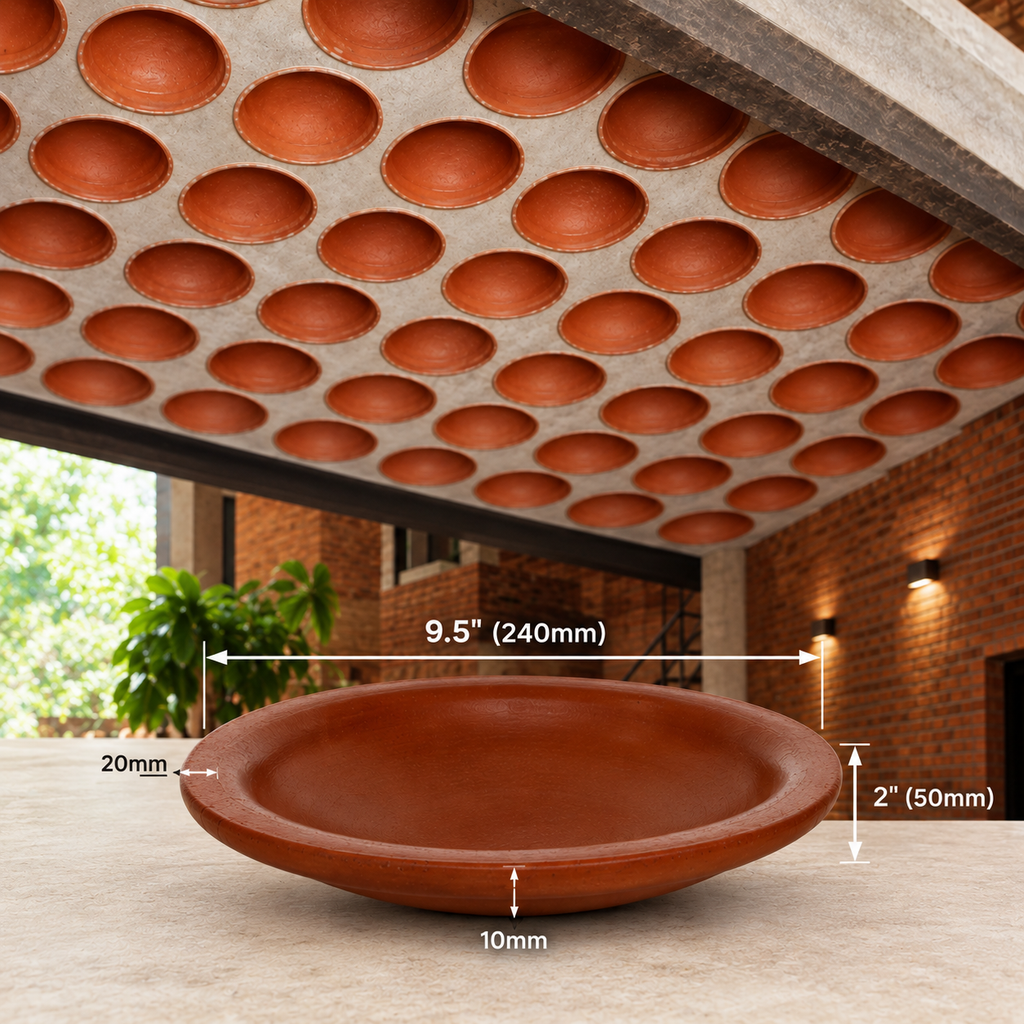
A Filler Slab Roof is a roofing system that replaces non-structural portions of a conventional reinforced concrete slab with lightweight filler materials. In a typical concrete roof slab, not all the concrete contributes equally to structural strength. The concrete in the tension zone primarily acts as filler rather than carrying significant loads. A filler slab takes advantage of this principle by replacing these unnecessary portions with materials such as:
-
Clay roof tiles
-
Terracotta blocks
-
Mangalore tiles
-
Hollow concrete blocks
-
Lightweight bricks
The structural strength is still provided by reinforced concrete and steel, while the filler materials occupy the portions that do not contribute significantly to load-bearing performance. The result is a roof that uses less concrete while maintaining structural integrity.
How Does It Work?
The concept behind filler slab construction is surprisingly simple. Concrete is very strong under compression but relatively weak under tension. Reinforcement steel handles the tensile forces, while concrete handles compression. In certain parts of the slab, concrete mainly serves as dead weight. By replacing these portions with lightweight filler materials, builders can reduce the overall volume of concrete used without compromising safety or durability. The filler materials are arranged between the reinforcement layers before concrete is poured. Once completed, the roof functions similarly to a conventional slab but with reduced material consumption and additional benefits. It is a smart engineering solution that achieves efficiency without sacrificing performance.
Why Are Homeowners Choosing Filler Slab Roofs?
One of the biggest reasons homeowners consider filler slab construction is cost efficiency. Since less concrete is used, material consumption decreases, which can help reduce overall construction costs. While the exact savings vary depending on design and location, the reduction in concrete volume can make a noticeable difference. Another major advantage is thermal comfort. The air gaps created by filler materials help reduce heat transfer through the roof. In warmer climates, this can lead to cooler indoor spaces and lower dependence on artificial cooling systems. For homeowners seeking sustainable construction solutions, this makes the approach particularly attractive.
The aesthetic advantage
Beyond functionality, a Filler Slab Roof also creates unique visual appeal. Unlike conventional ceilings that are often covered with plaster and false ceilings, filler slabs expose the pattern of tiles or blocks embedded within the structure. This creates a natural texture and architectural character that many homeowners find warm, authentic, and visually appealing. The exposed ceiling becomes a design feature in itself, reducing the need for additional finishing materials. In modern sustainable homes, this blend of functionality and aesthetics is often a major selling point.
Is a Filler Slab Roof Suitable for Every Project?
While filler slabs offer many advantages, they are not necessarily the right choice for every construction project. Successful implementation requires:
-
Proper structural design
-
Experienced architects or engineers
-
Skilled workmanship during construction
-
Appropriate filler material selection
The roof must be designed specifically for filler slab construction rather than treated as a simple modification to a conventional slab. This is why consulting experienced professionals is essential before making a decision. When designed correctly, filler slabs can deliver long-term performance, durability, and cost savings.
Conclusion
A Filler Slab Roof is a practical and sustainable roofing technique that reduces unnecessary concrete usage while maintaining structural strength. It offers benefits ranging from material efficiency and thermal comfort to aesthetic appeal and environmental sustainability.
For homeowners looking to build smarter and more responsibly, filler slab construction presents an attractive alternative to conventional roofing systems.
As sustainable architecture continues to gain momentum, filler slabs remain a proven example of how thoughtful design can reduce waste, improve comfort, and create beautiful spaces without compromising performance.
Related post
28
Sep

28
Sep

31
Aug
RECENT POSTS