How Filler Slabs Improve Thermal Comfort in Homes
Modern homeowners are increasingly looking for construction methods that are sustainable, cost-effective, and comfortable for everyday living. One technique that has gained attention in eco-friendly architecture is the use of filler slabs. Beyond reducing construction material usage, filler slabs also play an important role in improving thermal comfort inside homes.
In regions with hot climates, especially across India, maintaining cooler indoor temperatures can reduce dependence on fans and air conditioning. This is where filler slab roofing becomes highly beneficial.
What Are Filler Slabs?
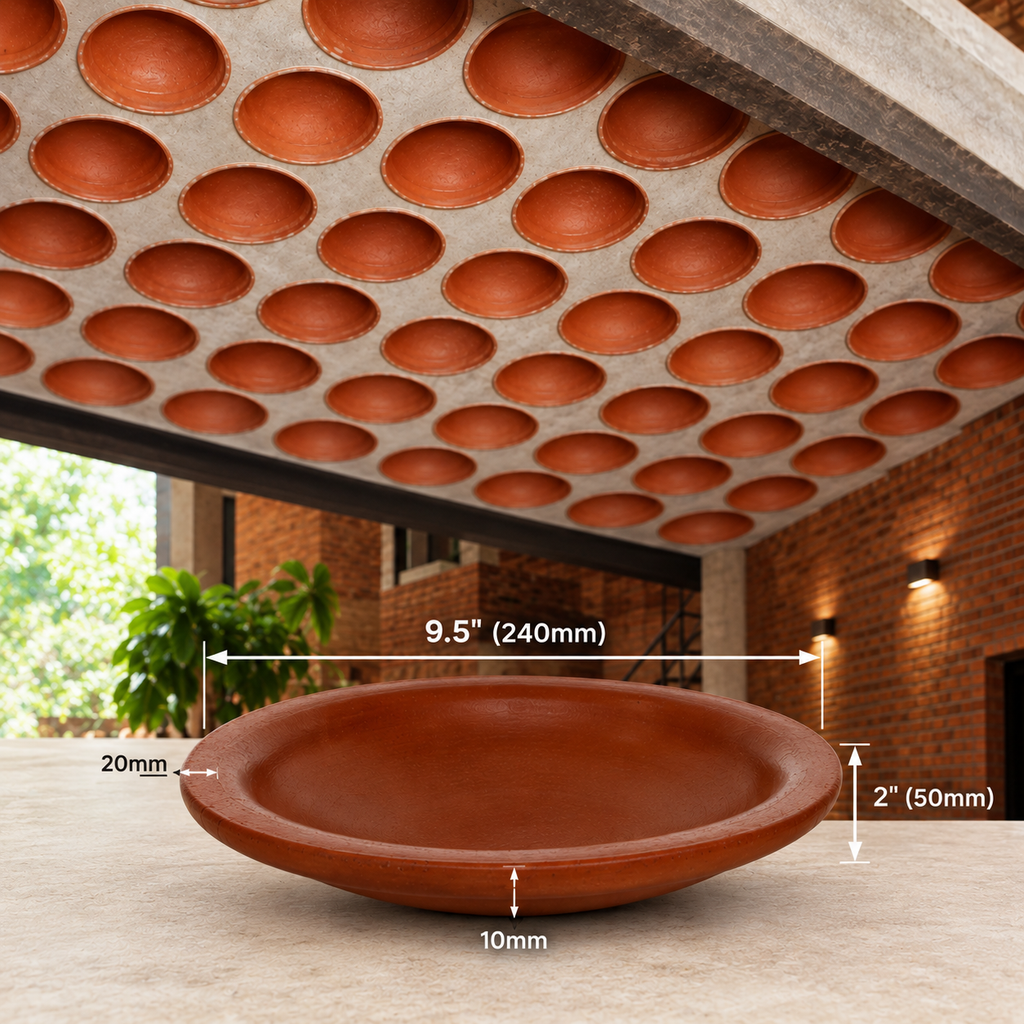
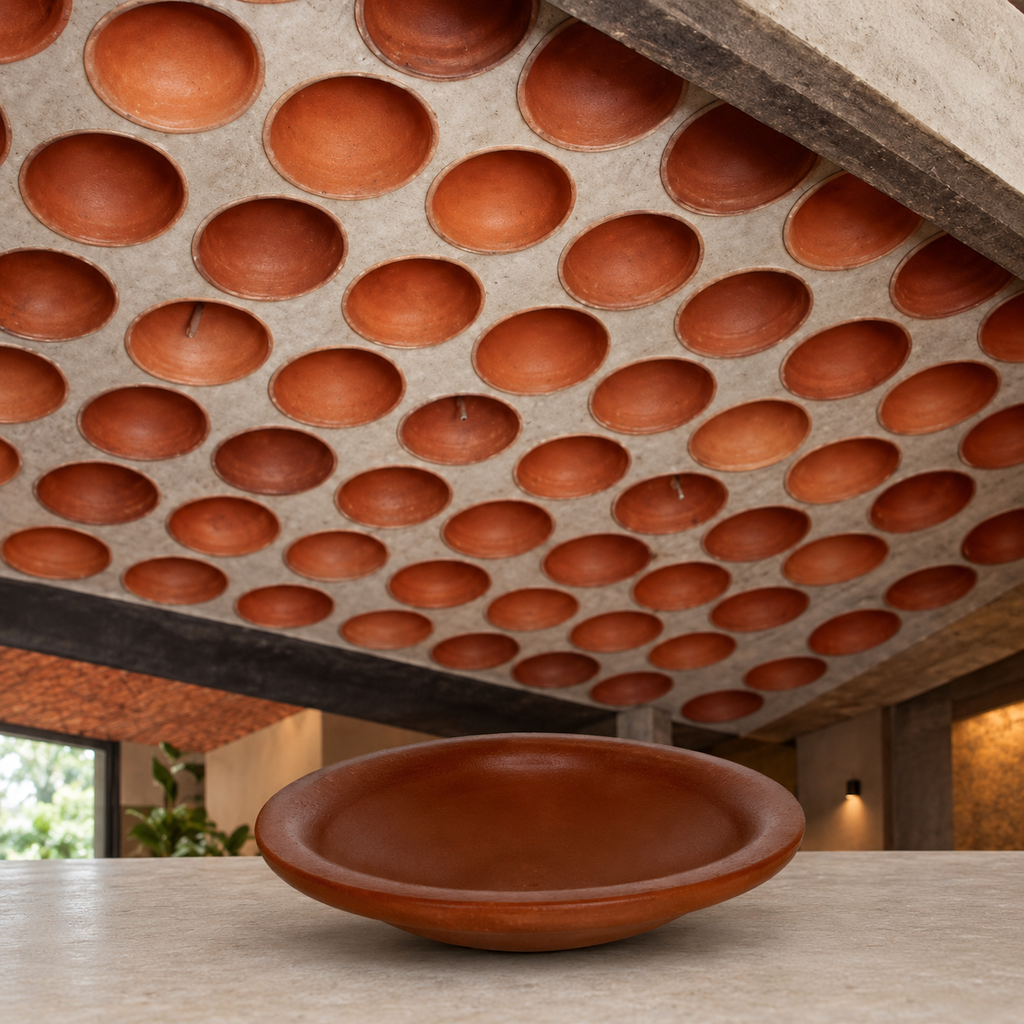
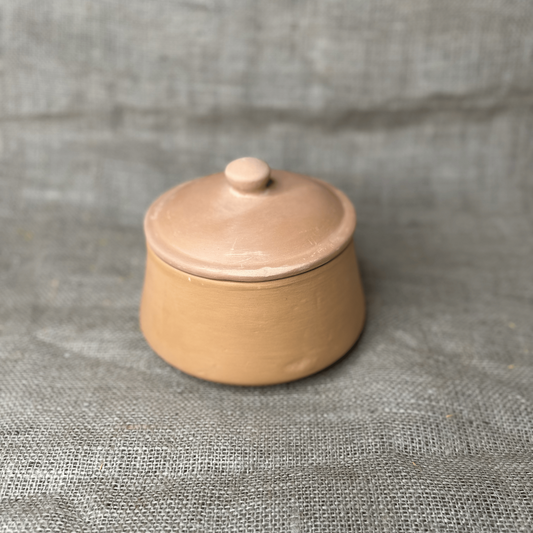
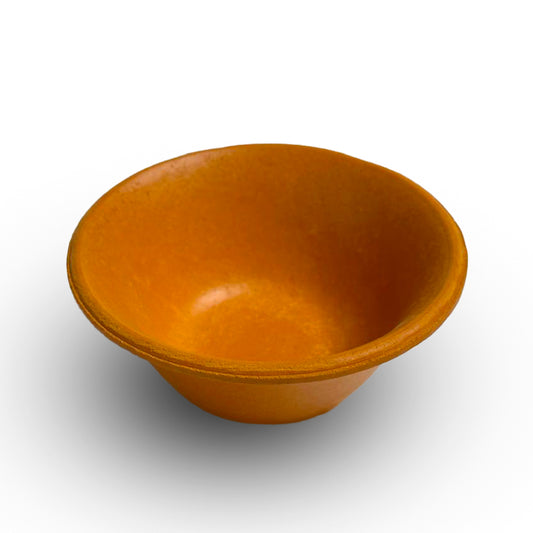
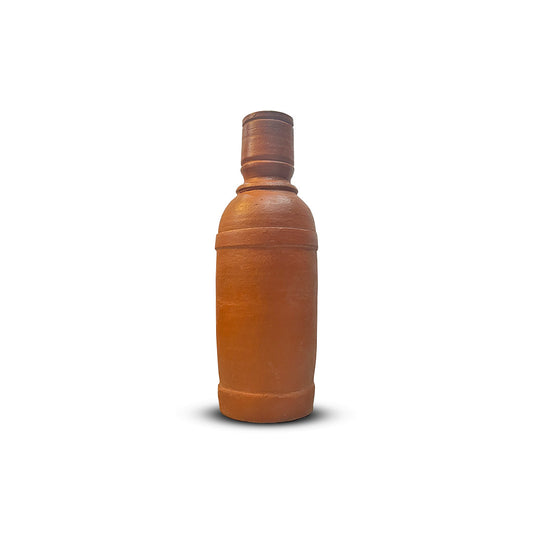
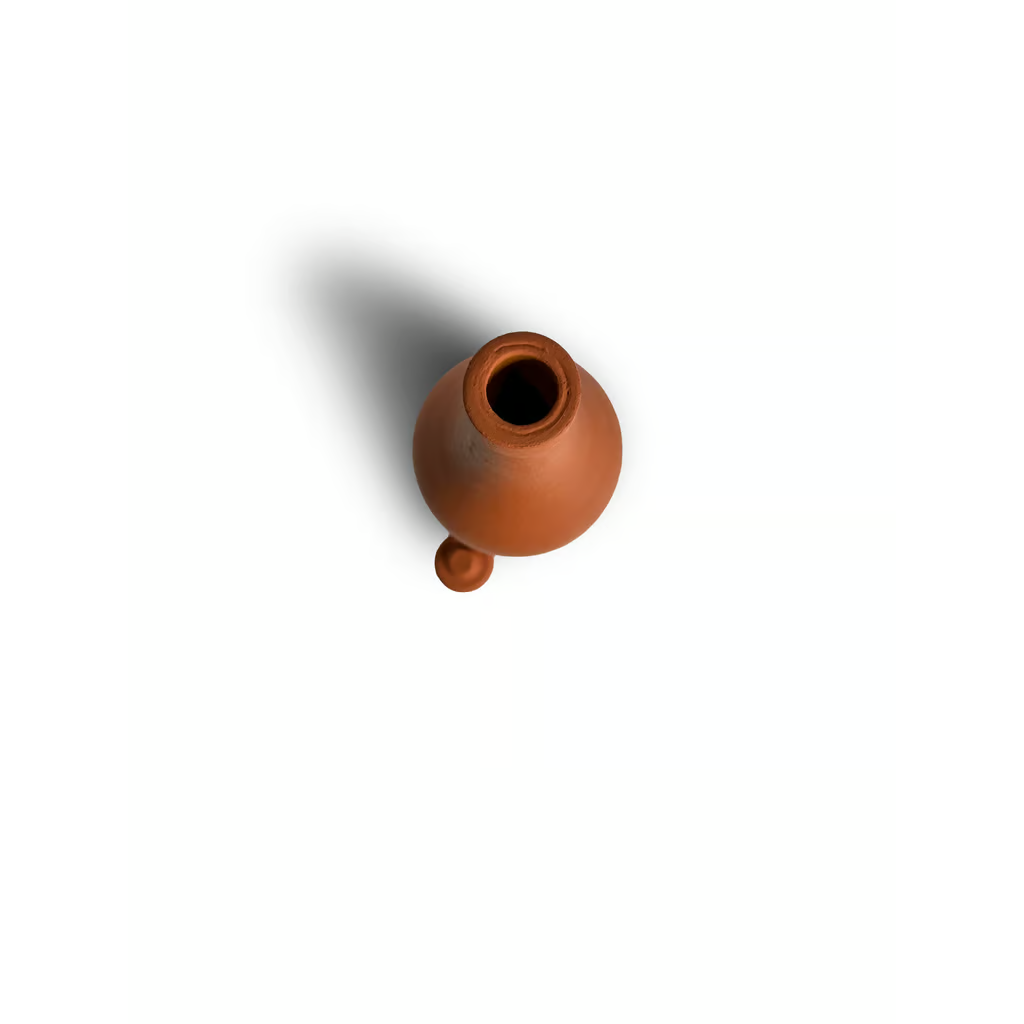
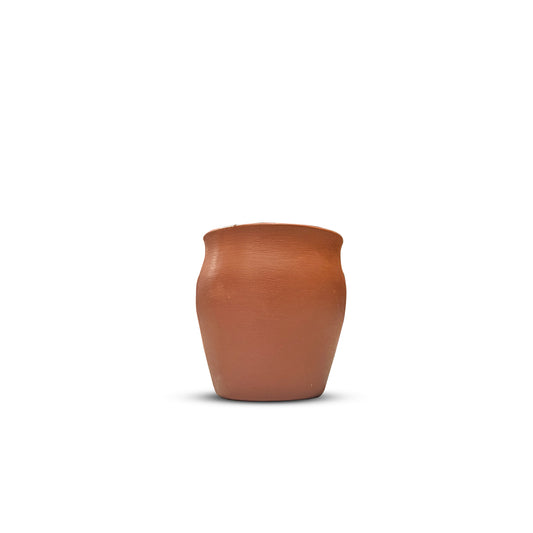
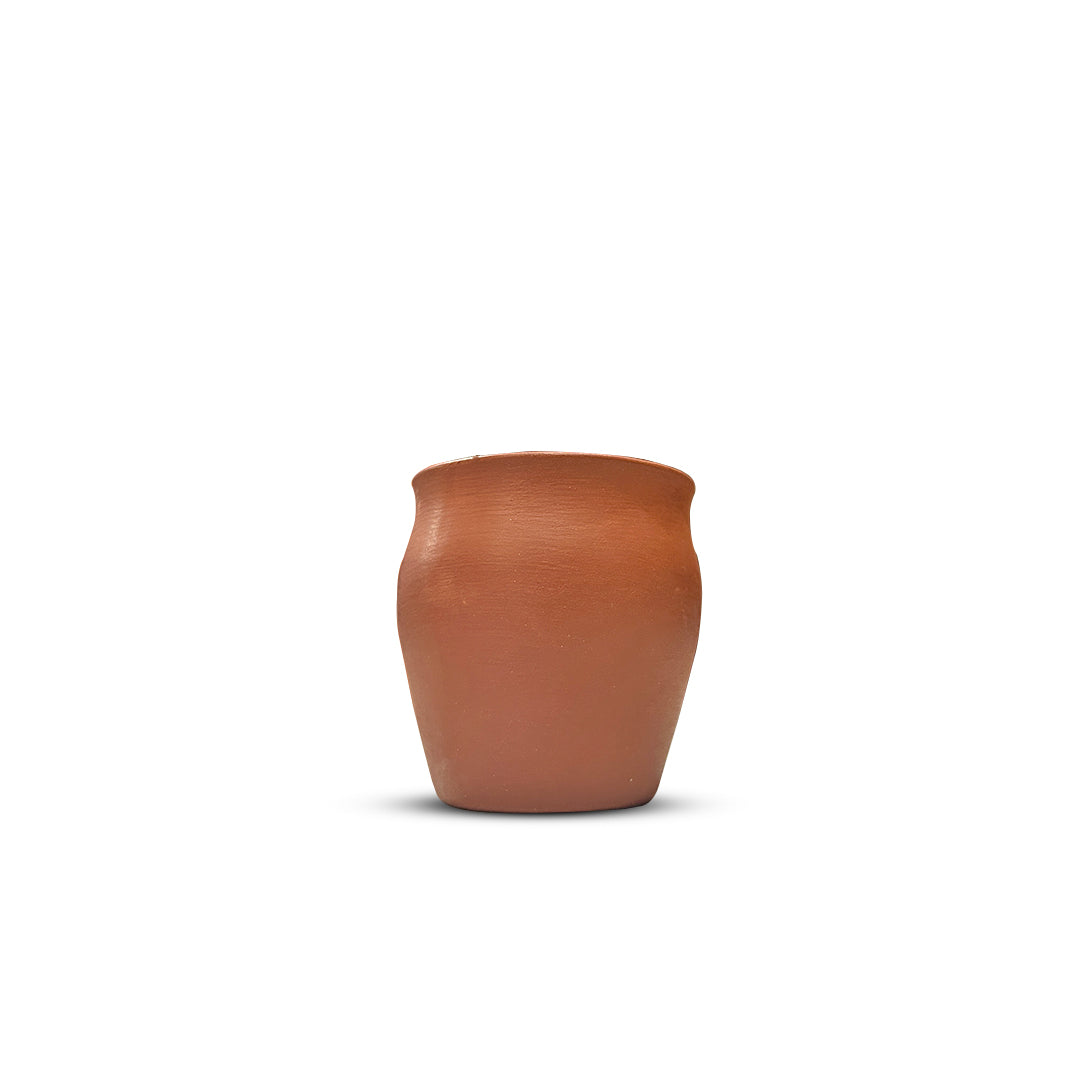
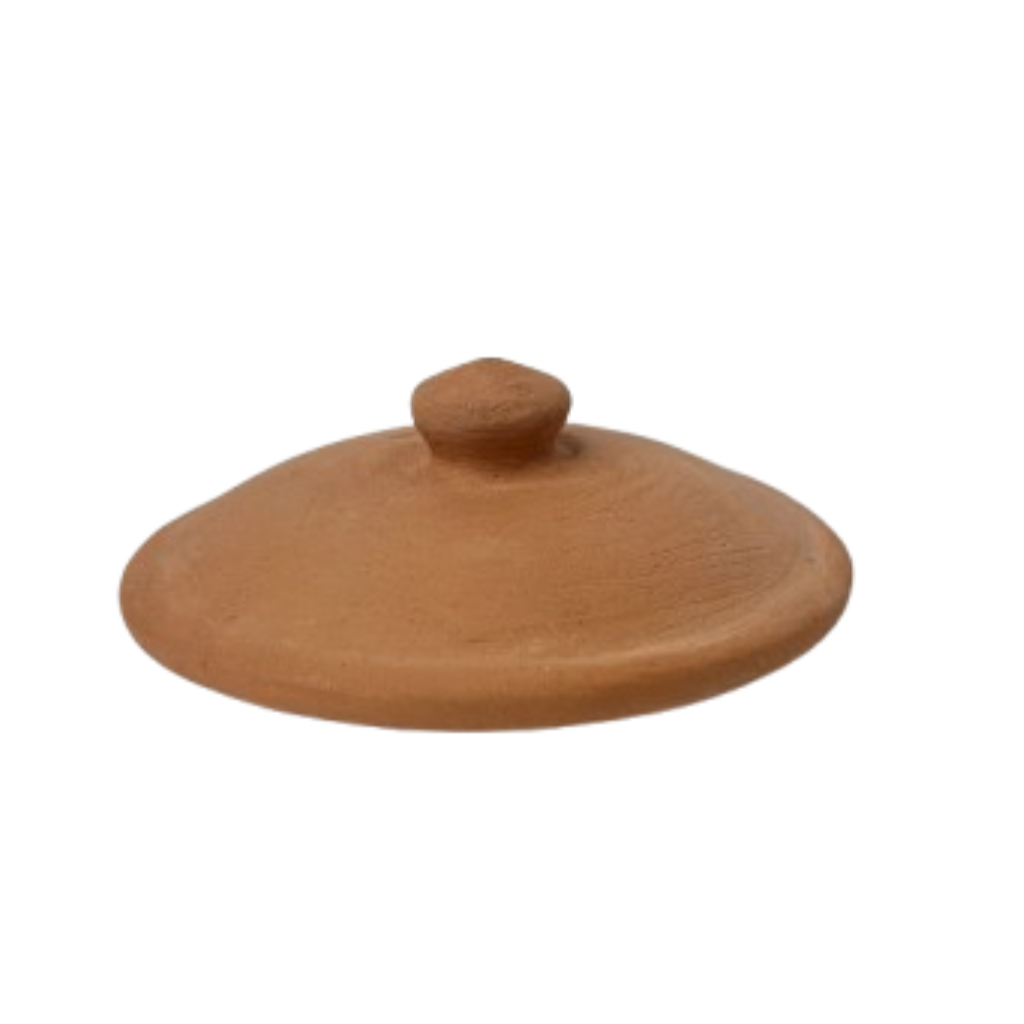
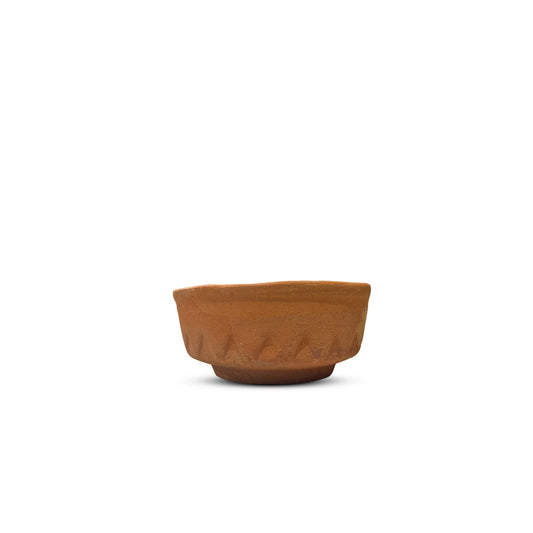
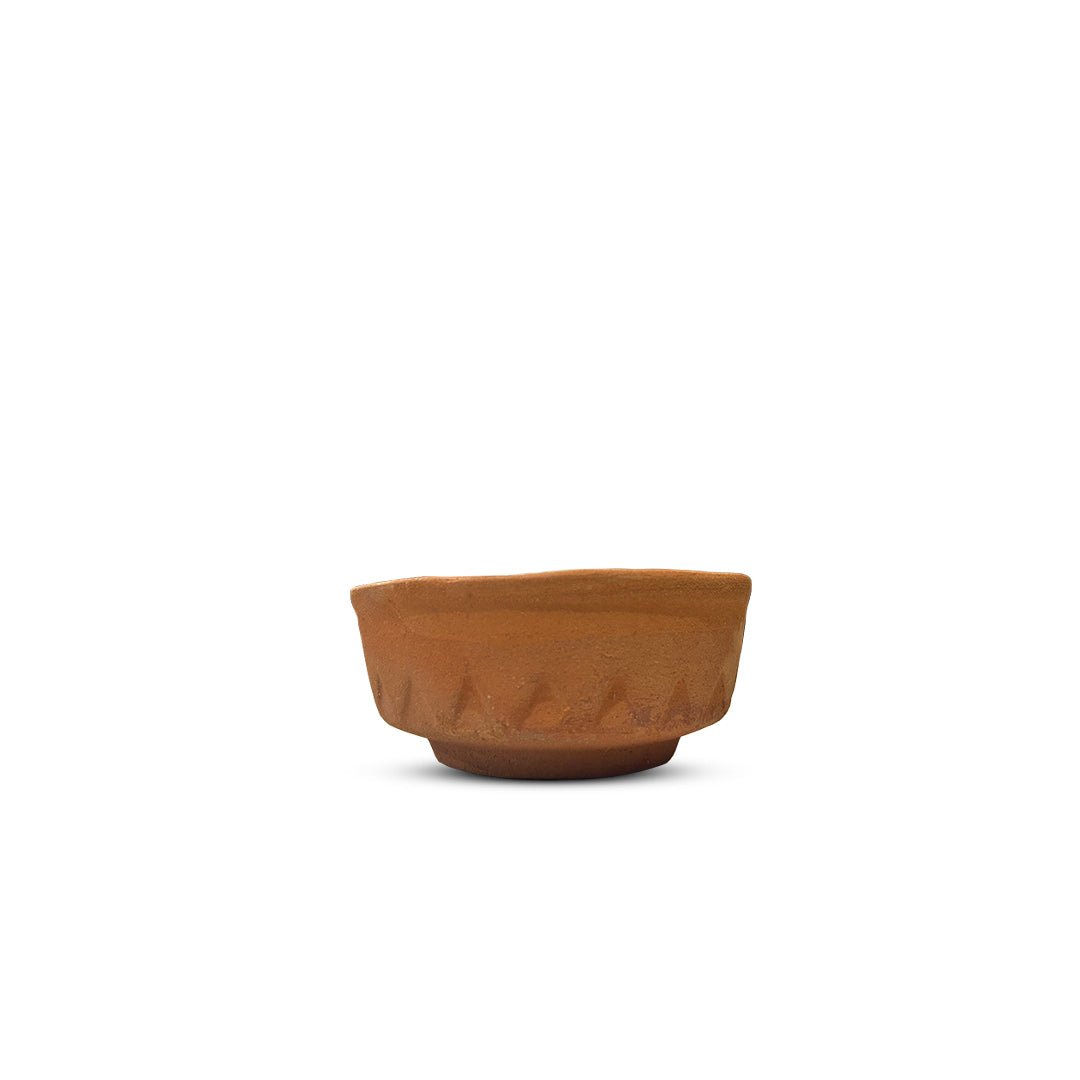
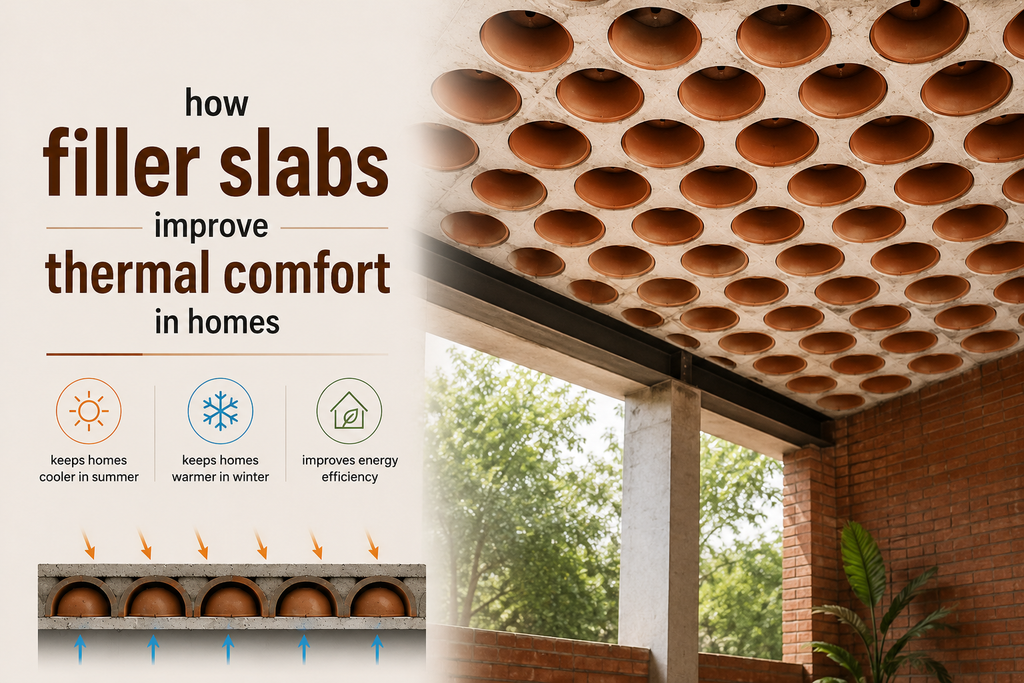
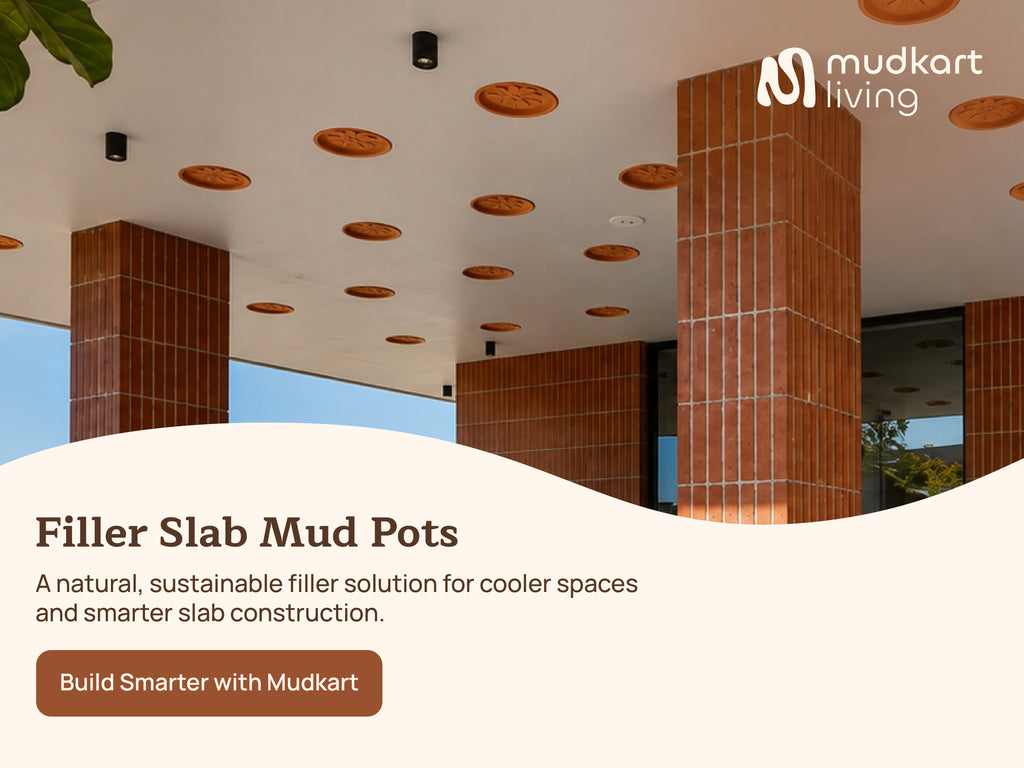
A filler slab is a roofing technique where a portion of the concrete in the slab is replaced with lightweight filler materials such as clay tiles, terracotta pots, bricks, or hollow blocks. Since the lower portion of a roof slab does not significantly contribute to structural strength, these filler materials can replace excess concrete without compromising stability.
The result is a roof that is lighter, more economical, and visually attractive.
But one of the biggest advantages of filler slabs is their ability to improve indoor thermal comfort.
How Filler Slabs Reduce Heat Transfer
Traditional RCC roofs absorb and transfer a large amount of heat into the building. Concrete is dense and tends to store heat during the day, especially under direct sunlight. This stored heat gradually enters indoor spaces, making rooms feel warmer even after sunset.
Filler slabs help reduce this heat transfer in several ways.
Air Gaps Act as Insulation
Many filler materials used in filler slabs naturally contain air cavities or hollow sections. These air gaps act as thermal insulation layers that slow down the movement of heat from the roof into the interior spaces.
As a result, homes remain comparatively cooler during hot afternoons.
Reduced Concrete Means Less Heat Storage
Since filler slabs use less concrete than conventional slabs, there is less dense material available to absorb and retain heat. This reduces the amount of thermal energy transferred indoors throughout the day.
This simple design change can significantly improve indoor comfort in tropical climates.
Improves Indoor Comfort Naturally
One of the main goals of climate-responsive architecture is to create homes that remain comfortable without excessive mechanical cooling. Filler slabs support this approach by helping maintain more stable indoor temperatures.
Rooms beneath filler slab roofs often feel cooler and more breathable compared to spaces with traditional RCC slabs. This creates a more comfortable living environment, especially in upper-floor rooms that usually receive the most direct heat exposure.
For homeowners, this means:
-
reduced indoor heat buildup
-
better thermal comfort during summer
-
improved airflow and livability
-
less dependence on air conditioners
Energy Efficiency Benefits
Since filler slabs help keep interiors cooler, homeowners may use fans and air conditioning less frequently. This can reduce electricity consumption and lower long-term energy costs.
In sustainable construction, reducing operational energy use is just as important as reducing construction materials. That is why filler slab roofing is often preferred in eco-conscious residential projects.
The thermal performance of filler slabs contributes both to environmental sustainability and household savings.
Aesthetic and Sustainable Advantages
Apart from thermal comfort, filler slabs also create visually unique ceilings. Exposed clay tiles, terracotta blocks, or patterned fillers can add warmth and character to interiors without requiring additional false ceilings or decorative treatments.
At the same time, using fewer concrete materials reduces the environmental impact of construction by lowering cement consumption.
This makes filler slabs a smart combination of:
-
sustainability
-
functionality
-
thermal efficiency
-
aesthetic appeal
Final Thoughts
As homeowners become more aware of sustainable and climate-responsive construction methods, filler slabs are gaining popularity for good reason. They reduce material usage, improve energy efficiency, and create naturally cooler indoor spaces.
Most importantly, filler slabs improve thermal comfort by reducing heat transfer through the roof, helping homes stay more comfortable in warm climates.
For anyone planning an eco-friendly or energy-efficient home, filler slab roofing is not just a design choice. It is a practical solution for creating healthier and more comfortable living spaces.
Related post
28
Sep
28
Sep
31
Aug
RECENT POSTS