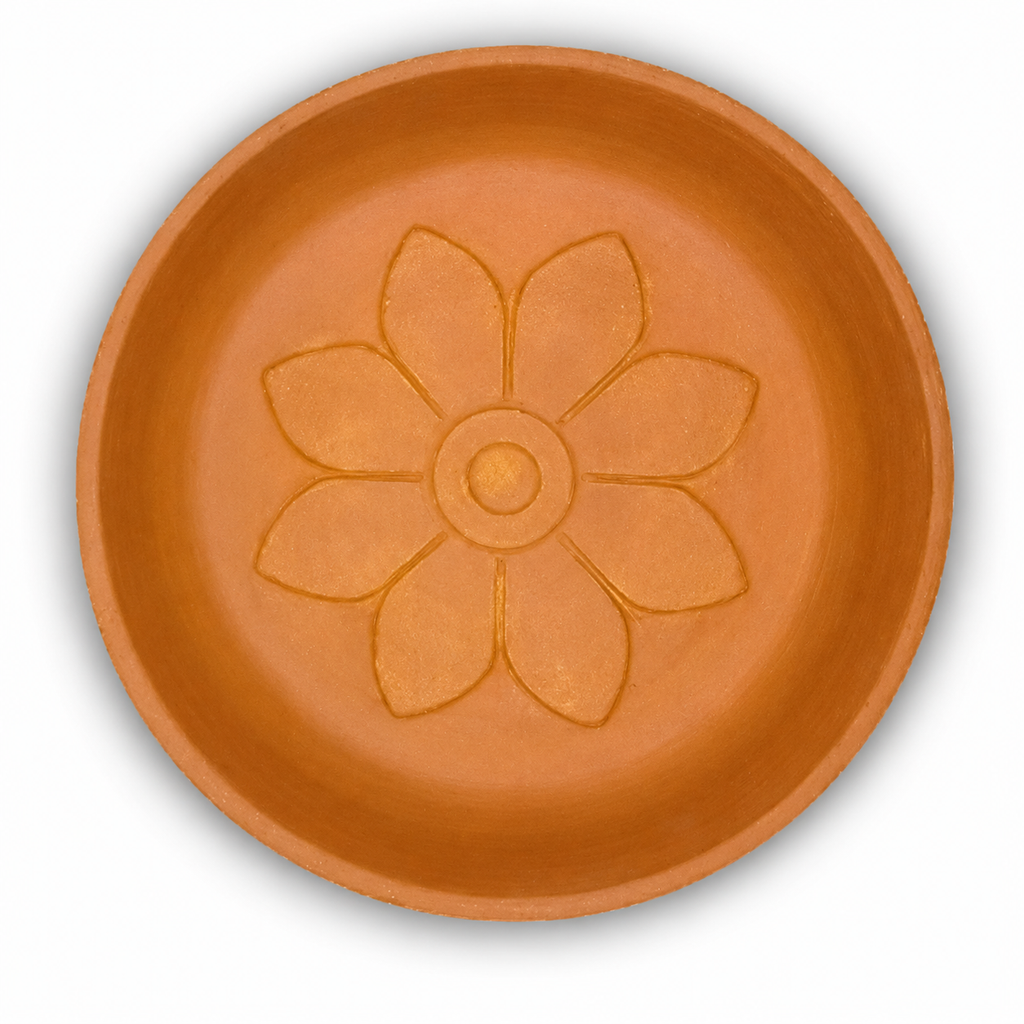
Why Architects Prefer Filler Slabs for Sustainable Homes
Sustainable architecture is no longer just a niche concept; it is a fundamental requirement for modern living. Architects and builders are constantly searching for innovative construction methods that reduce environmental impact while enhancing the everyday comfort of homeowners.
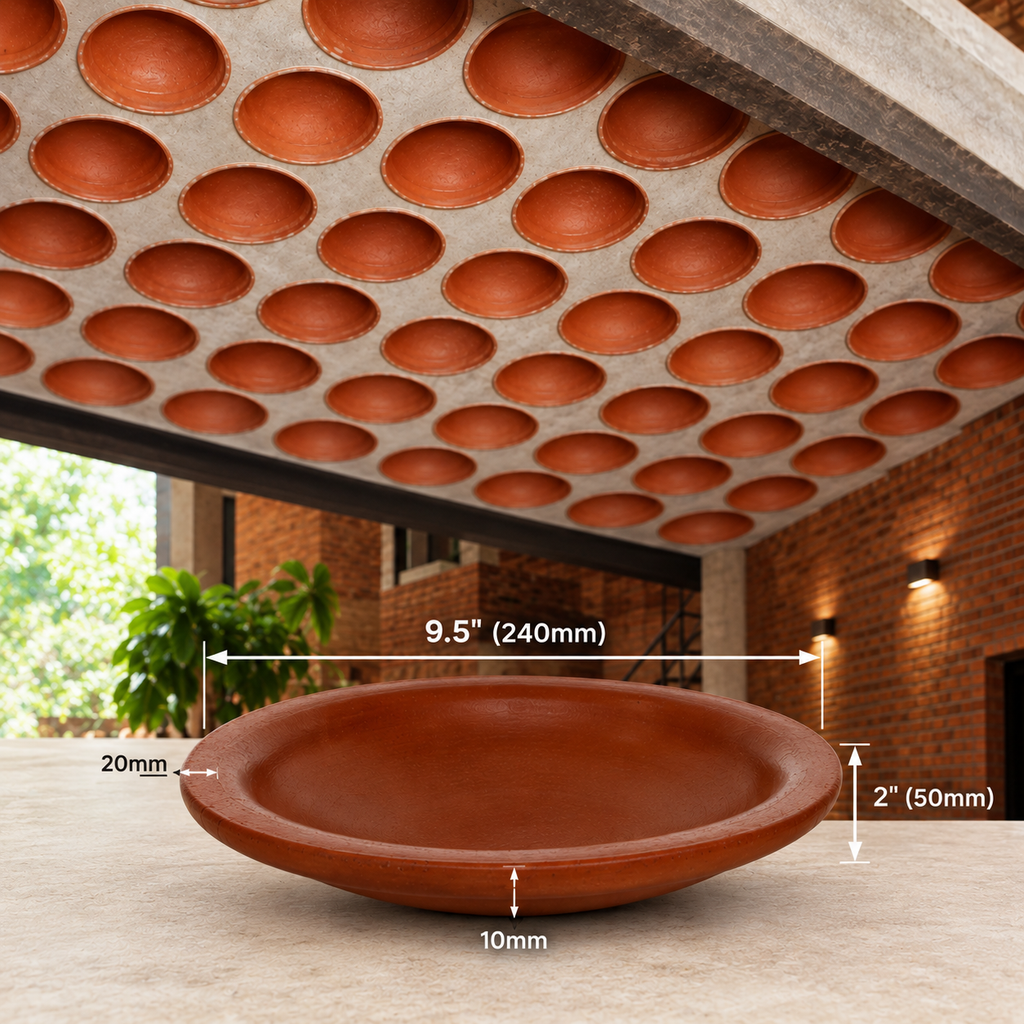
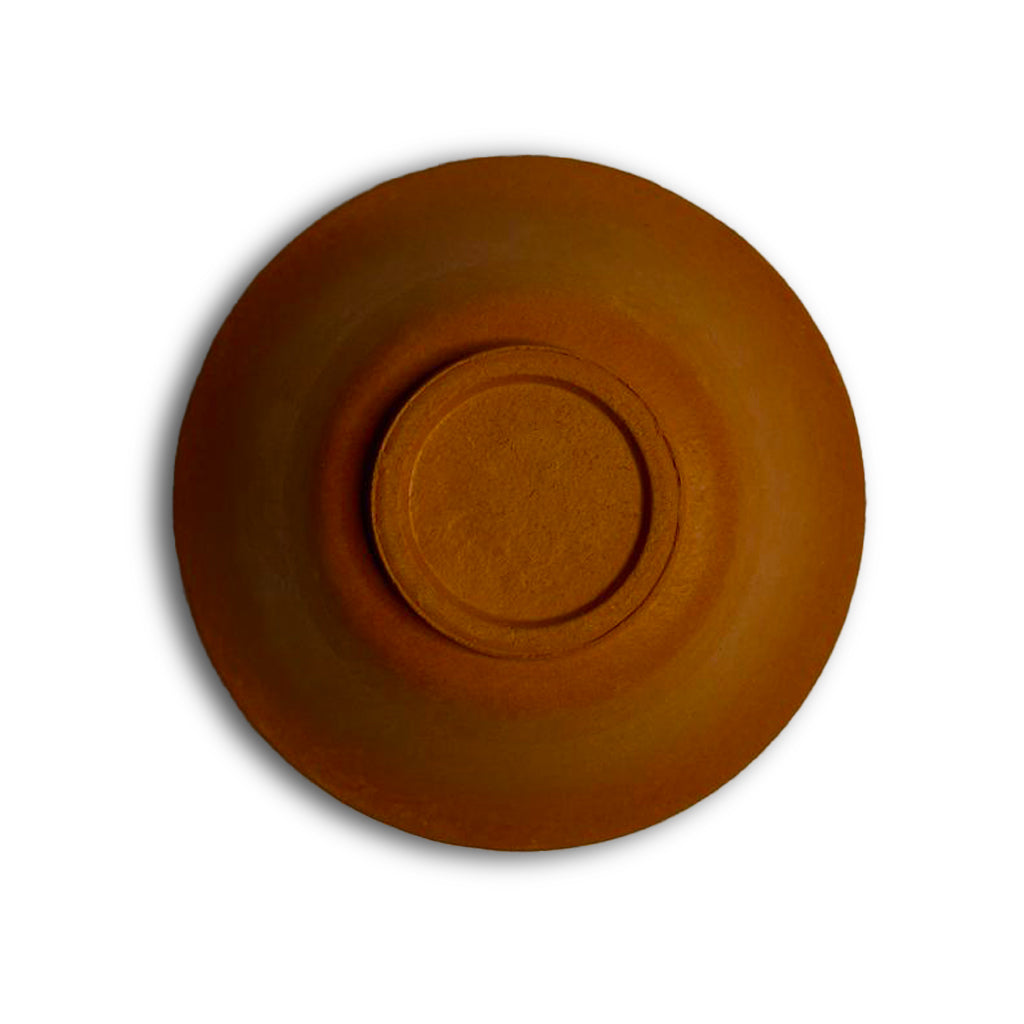
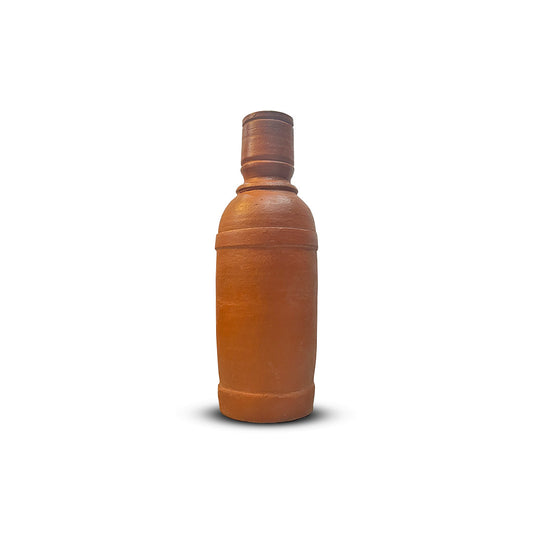
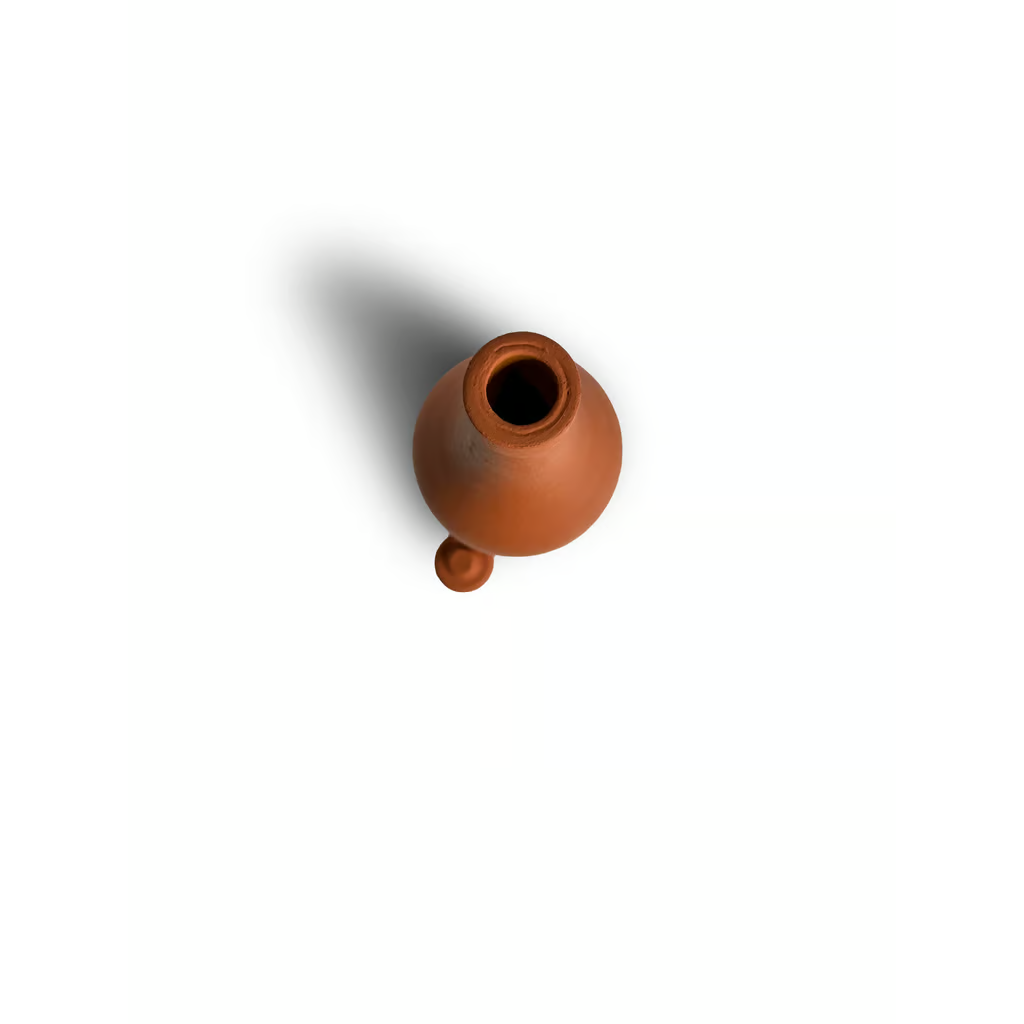
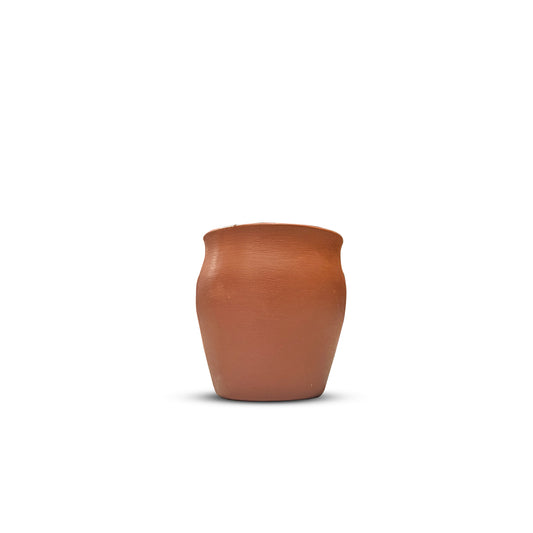
One technique that has emerged as a favorite among design professionals is the terracotta filler slab. By replacing unnecessary concrete with lightweight clay pots, filler slabs offer a brilliant blend of traditional engineering and modern efficiency.
For architects aiming to build smarter, climate-responsive, and eco-friendly spaces, a terracotta filler slab provides a host of functional and aesthetic advantages that conventional reinforced concrete simply cannot match.
Why Do Architects Prefer Terracotta Filler Slabs?
Architects prefer terracotta filler slabs because they:
-
Improve indoor thermal comfort
-
Reduce concrete consumption by up to 30%
-
Lower roofing construction costs
-
Support sustainable construction practices
-
Create naturally beautiful exposed ceilings
-
Reduce the dead load of buildings
-
Improve energy efficiency
-
Preserve traditional terracotta craftsmanship
These advantages make filler slabs an increasingly popular choice for residential, institutional, and eco-friendly construction projects.
Superior Thermal Comfort for Climate-Responsive Design
One of the primary reasons architects recommend a terracotta filler slab is its exceptional thermal performance.
In hot climates, roofs absorb a significant amount of solar heat. Conventional reinforced concrete retains this heat and gradually transfers it indoors, increasing dependence on fans and air-conditioning.
Terracotta naturally functions as an excellent thermal insulator. The air cavities inside the clay filler materials slow heat transfer, creating a natural thermal barrier.
Mudkart's premium filler slabs have been proven to improve thermal performance by lowering indoor temperatures by 5°C to 6°C, allowing architects to design passively cooled homes while reducing energy consumption and improving year-round comfort.
Also Checkout : Top Benefits of Using Terracotta Filler Slabs in Hot Climates
Reduced Concrete Usage and Lower Construction Costs
Resource efficiency is a key principle of sustainable architecture.
In conventional reinforced concrete slabs, the lower tension zone contributes little structural value while adding considerable dead weight. Replacing this unnecessary concrete with terracotta filler slabs significantly reduces slab weight without compromising structural performance.
This engineering approach delivers measurable environmental and economic benefits.
Benefits include:
-
Reduce concrete usage by up to 30%
-
Lower embodied carbon and embodied energy
-
Reduce roofing construction costs by up to 20%
-
Improve structural efficiency through reduced dead load
-
Support environmentally responsible building practices
For architects, builders, and developers, terracotta filler slabs provide an ideal balance between sustainability, structural performance, and cost efficiency.
Natural Architectural Aesthetics
Beyond structural performance, architects value materials that enhance the visual identity of a building.
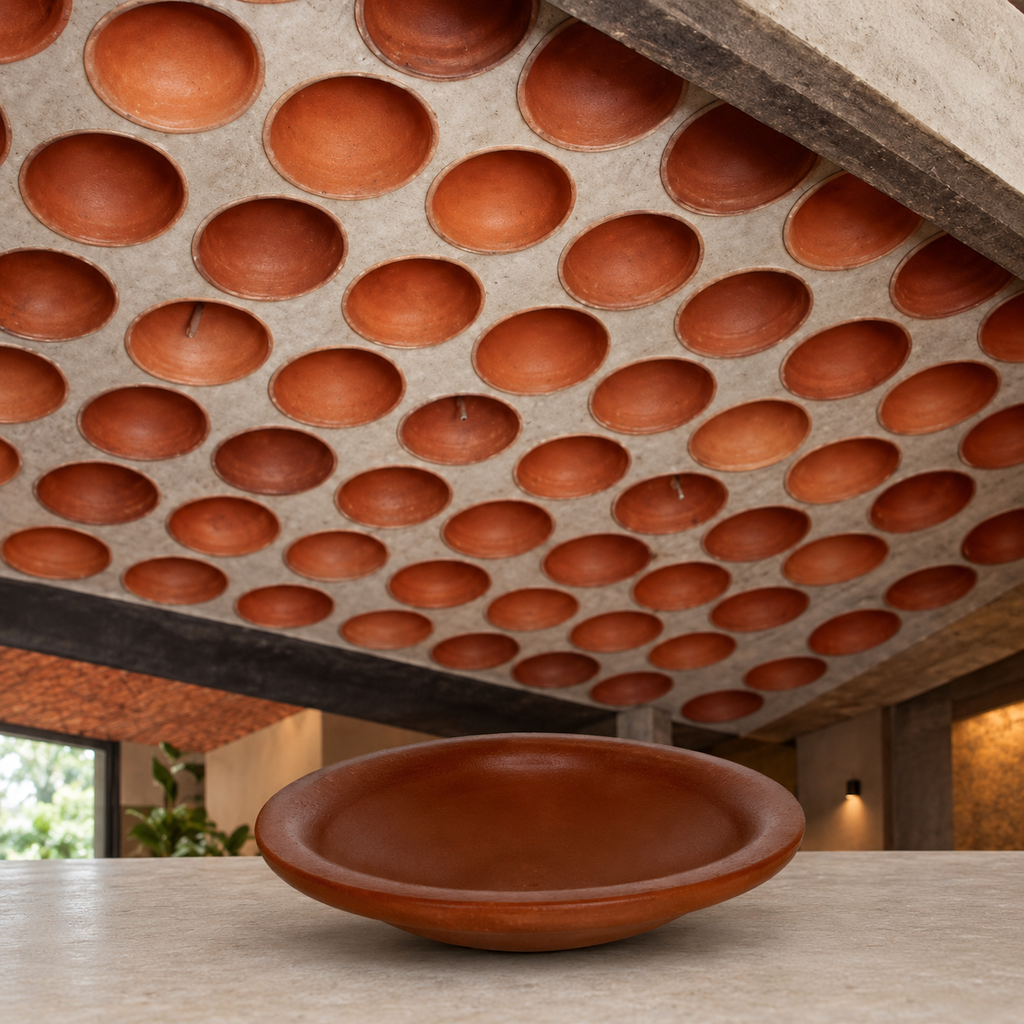
A terracotta filler slab creates warm, earthy, and timeless interiors without requiring false ceilings or excessive finishing materials.
Instead of concealing the ceiling, many architects intentionally expose the terracotta patterns, creating an authentic architectural feature.
The natural texture and rich clay tones complement:
-
Contemporary homes
-
Sustainable residences
-
Rustic architecture
-
Heritage-inspired buildings
-
Minimalist interiors
This exposed finish celebrates natural materials while reducing additional finishing work and resource consumption.
Quality, Durability, and Traditional Craftsmanship
Modern architects expect construction materials to combine traditional knowledge with consistent manufacturing quality.
Mudkart's terracotta filler slabs undergo precision firing and rigorous quality testing to ensure strength, dimensional consistency, and long-term durability.
Architects can confidently specify Mudkart products because they are supported by:
-
Precision manufacturing
-
Reliable structural performance
-
Less than 5% damage guarantee
-
Consistent product quality
-
Sustainable production practices
Why Terracotta Filler Slabs Support Sustainable Construction
Terracotta filler slabs contribute to sustainable building practices by:
-
Reducing cement and concrete consumption
-
Lowering embodied carbon
-
Improving natural thermal insulation
-
Reducing cooling energy requirements
-
Using natural clay materials
-
Minimizing construction waste
-
Supporting climate-responsive architecture
These benefits align with modern green building principles and environmentally responsible construction.
Conclusion
For today's architects, sustainable homes require materials that deliver environmental, structural, financial, and aesthetic value.
A terracotta filler slab successfully fulfills all these requirements. It demonstrates how traditional building methods can be adapted to solve modern construction challenges.
As demand for sustainable and energy-efficient buildings continues to grow, Mudkart remains a trusted partner for architects, builders, and homeowners seeking high-quality terracotta construction solutions.
By incorporating terracotta filler slabs into contemporary designs, architects are creating homes that are comfortable, cost-effective, environmentally responsible, and built for the future.
Frequently Asked Questions
What is a terracotta filler slab?
A terracotta filler slab is a roofing system that replaces non-structural concrete with terracotta clay pots, reducing concrete usage while maintaining structural strength and improving thermal insulation.
Why do architects use terracotta filler slabs?
Architects use terracotta filler slabs because they improve thermal comfort, reduce concrete consumption, lower construction costs, decrease building dead load, and create aesthetically appealing exposed ceilings.
How much concrete can a filler slab save?
A terracotta filler slab can reduce concrete usage by up to 30%, depending on the slab design and project requirements.
Do terracotta filler slabs reduce indoor temperature?
Yes. Terracotta filler slabs provide natural thermal insulation and can reduce indoor temperatures by approximately 5°C to 6°C, helping lower cooling requirements.
Are terracotta filler slabs suitable for modern homes?
Yes. Terracotta filler slabs are widely used in modern sustainable homes because they combine structural performance, energy efficiency, cost savings, and attractive architectural aesthetics.
Is a terracotta filler slab environmentally friendly?
Yes. Terracotta filler slabs reduce concrete consumption, lower embodied carbon, improve energy efficiency, and support sustainable construction using natural clay materials.
Related post
28
Sep
28
Sep
31
Aug
RECENT POSTS