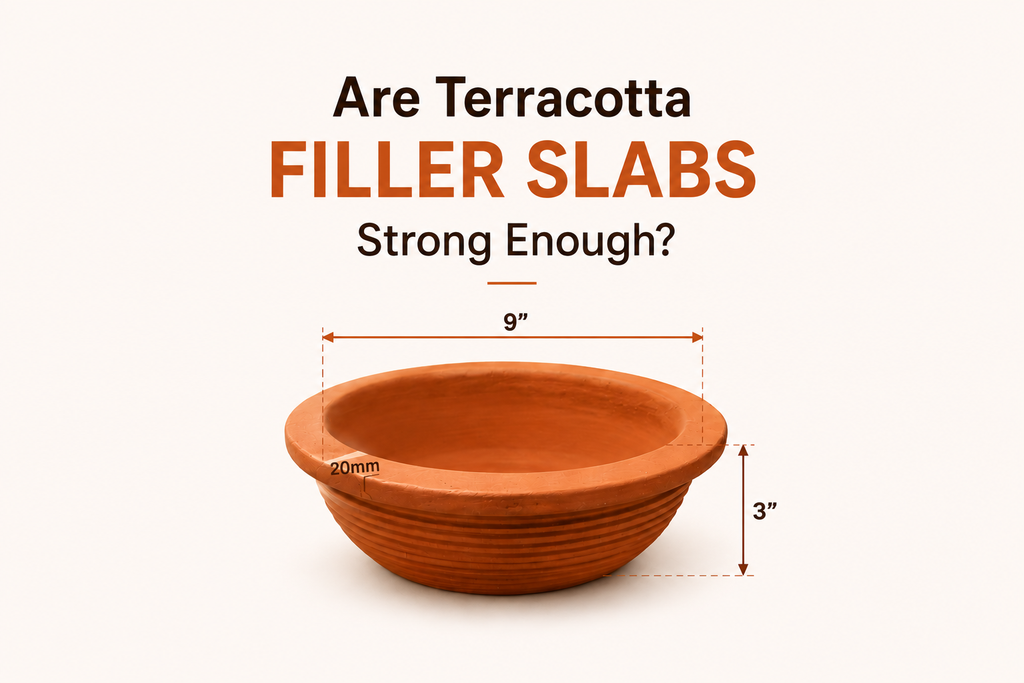
Are Terracotta Filler Slabs Strong Enough?
Are Terracotta Filler Slabs Strong Enough? Understanding Their Structural Performance
When homeowners and builders first encounter the concept of a terracotta filler slab, a common question arises: Is a terracotta filler slab strong enough to support a house? Traditional construction relies on solid, dense blocks of reinforced cement concrete (RCC), creating a perception that weight equates to strength. Seeing lightweight clay pots in a ceiling can naturally provoke structural concerns.
However, modern sustainable architecture proves that efficiency does not require sacrificing safety. The strength of a Terracotta Filler Slab roof relies not on raw mass, but on intelligent structural engineering. By understanding how these roofs are designed and how loads are distributed, homeowners, architects, and builders can confidently embrace this eco-friendly roofing solution without reservations regarding durability or safety.
The Core Mechanics: Tension and Compression in Concrete
To comprehend why a terracotta filler slab is incredibly robust, one must understand how a standard reinforced concrete (RCC) roof functions. In structural engineering, a roof slab faces two primary forces when subjected to weight: compression and tension.
The slab's upper half is under compression, meaning the materials are being pushed together. Concrete is exceptionally strong at handling compressive forces. Conversely, the lower half of the roof slab is situated in the tension zone, where materials are actively being pulled apart. Concrete is notoriously weak under tension.
To counteract this, engineers embed steel reinforcement grids into the lower section, as steel boasts immense tensile strength. Since the steel grid does the critical load-bearing work here, the surrounding concrete primarily acts as inactive filler.
Key Takeaway: The structural strength of an RCC roof comes from the combination of concrete in compression and steel reinforcement in tension not from excess concrete alone.
The Role of the Terracotta Filler Slab in Load Distribution
This structural dynamic is precisely where terracotta filler slab construction introduces a brilliant architectural intervention. Since the concrete in the lower tension zone does not significantly contribute to the roof's overall load-bearing capacity, it is essentially unnecessary dead weight.
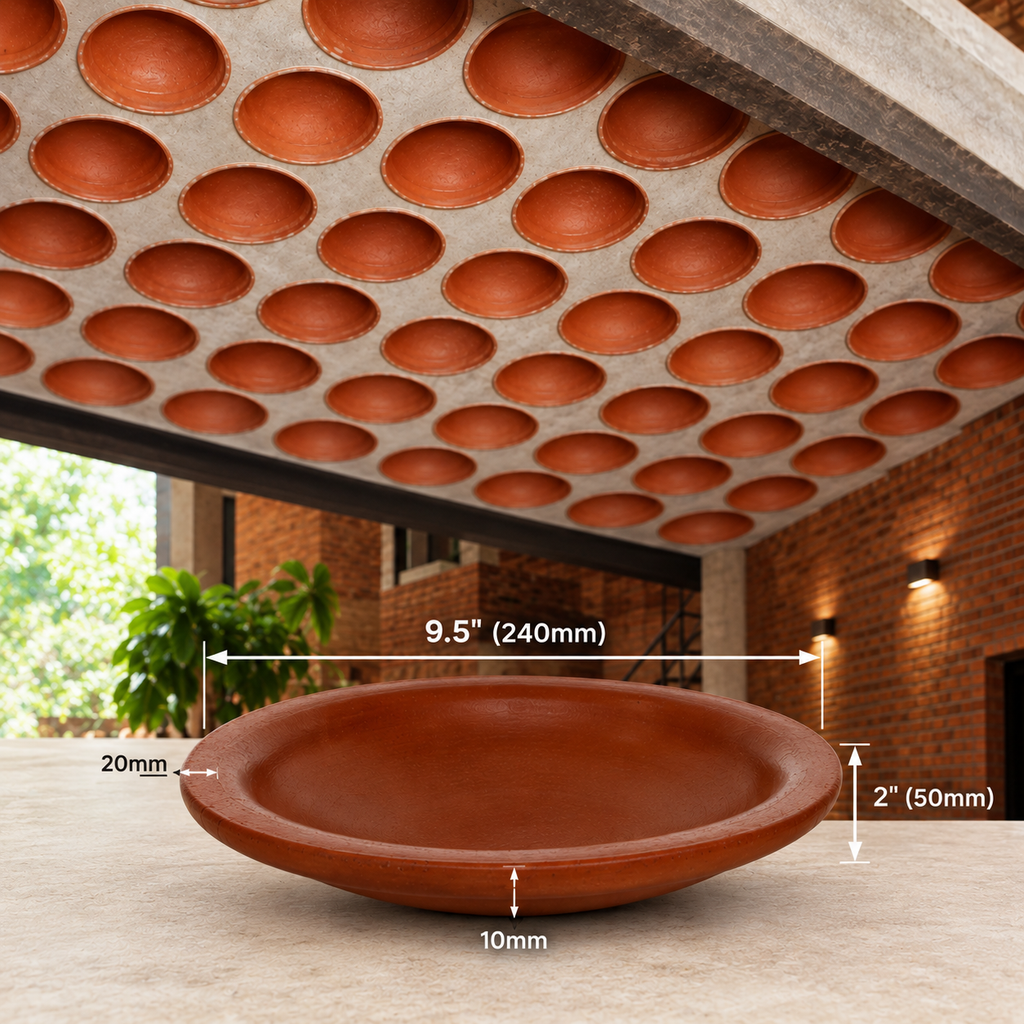
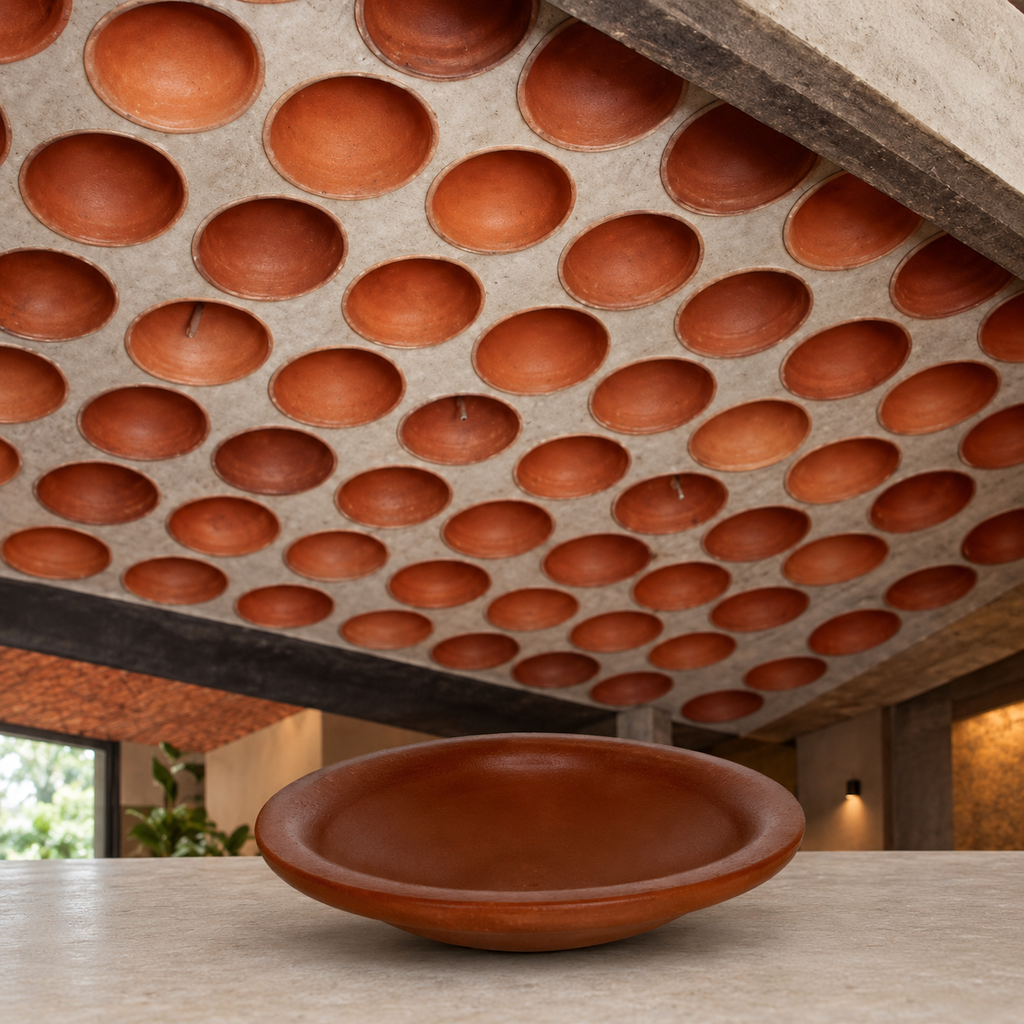
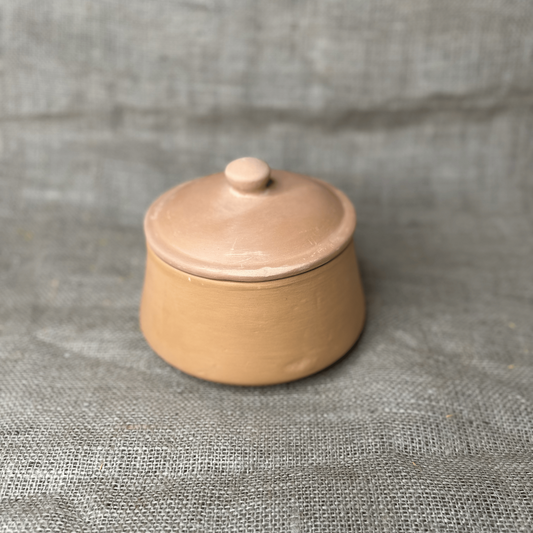
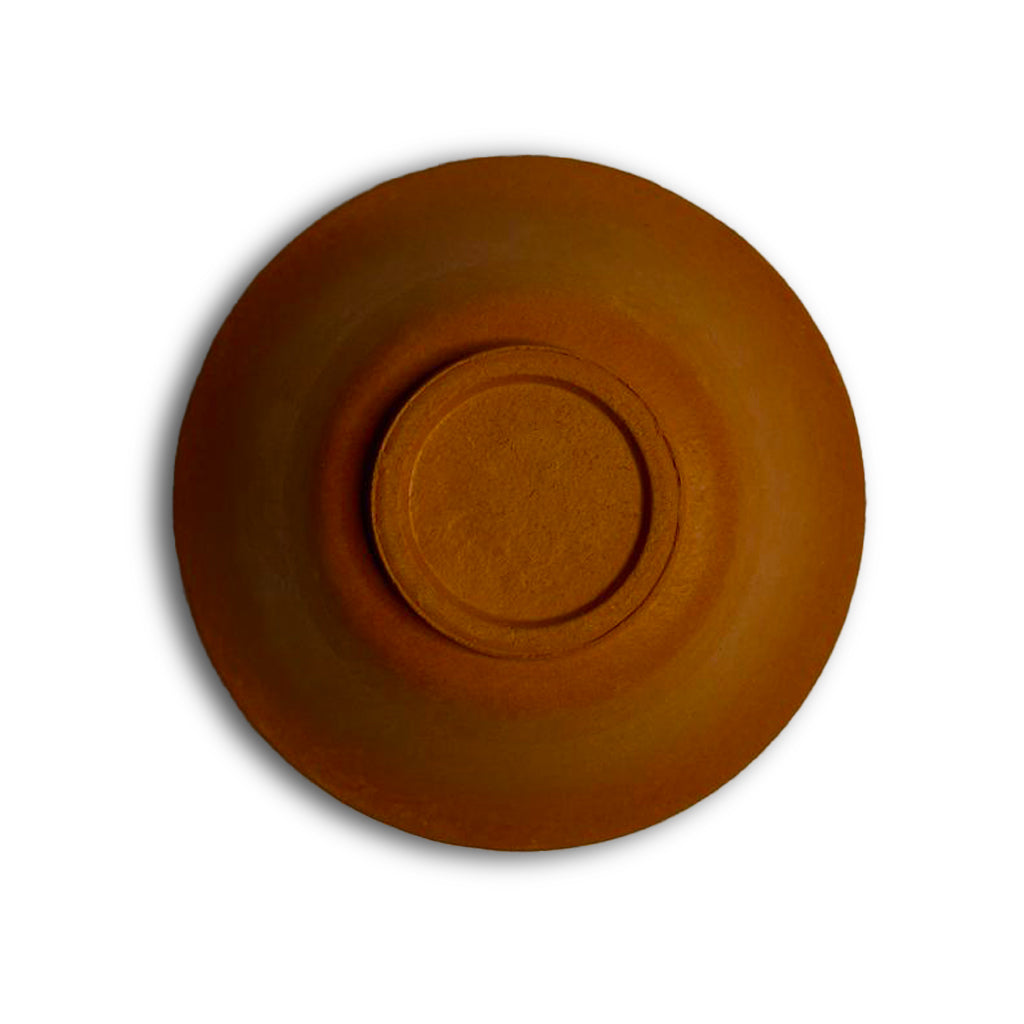
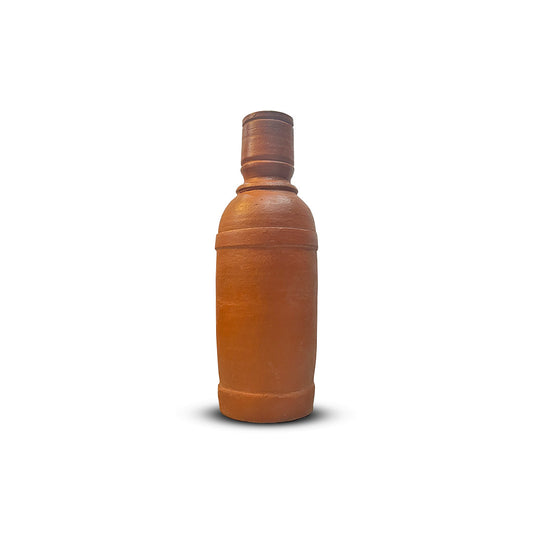
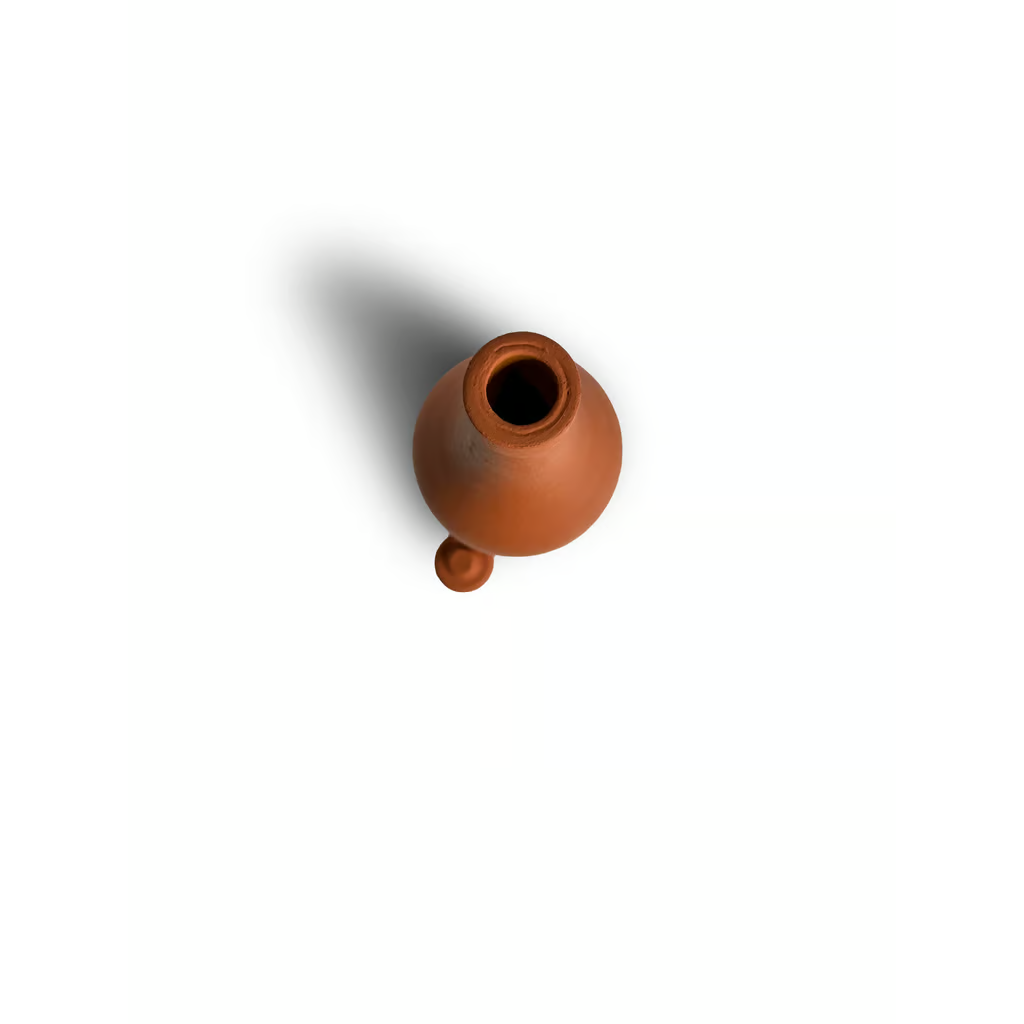
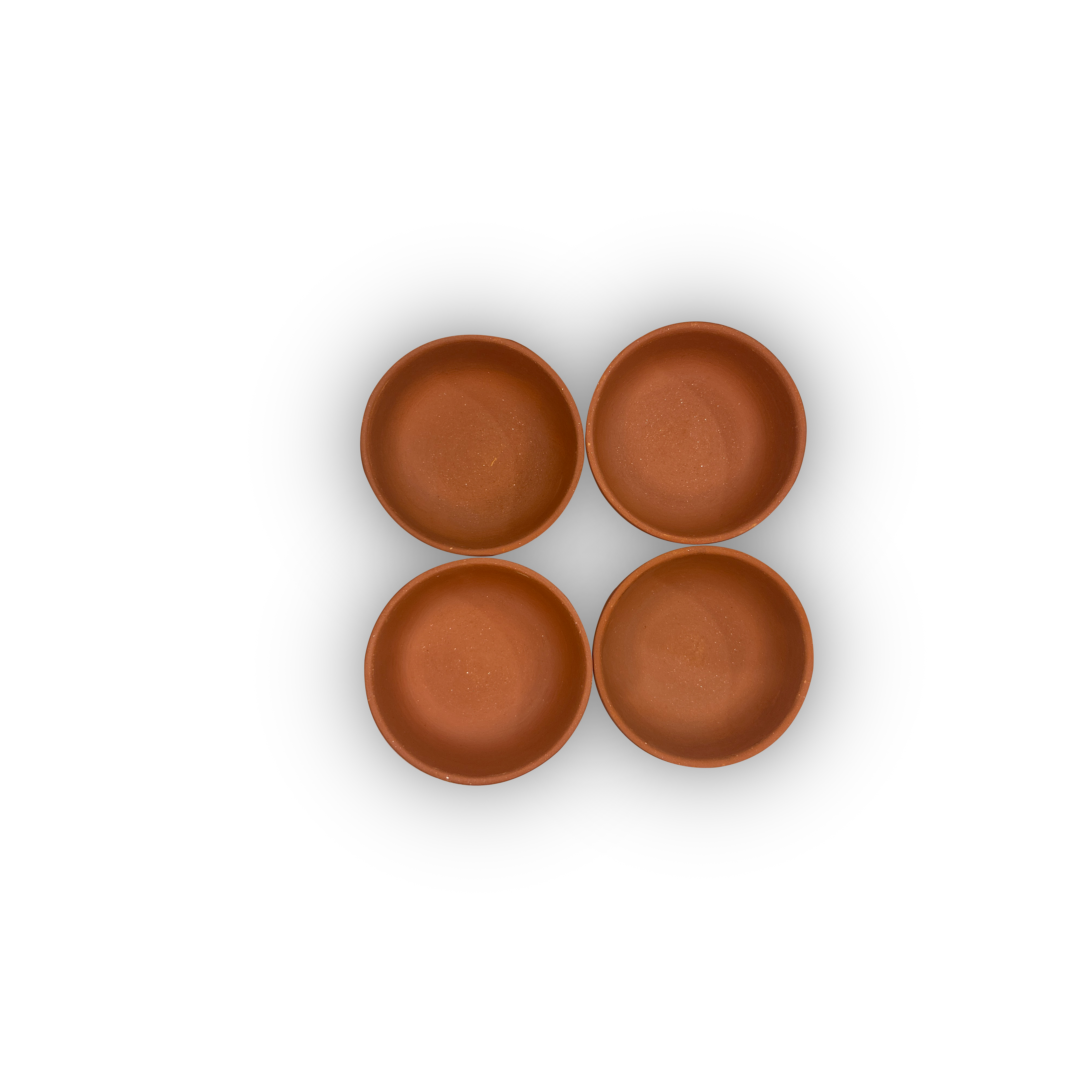
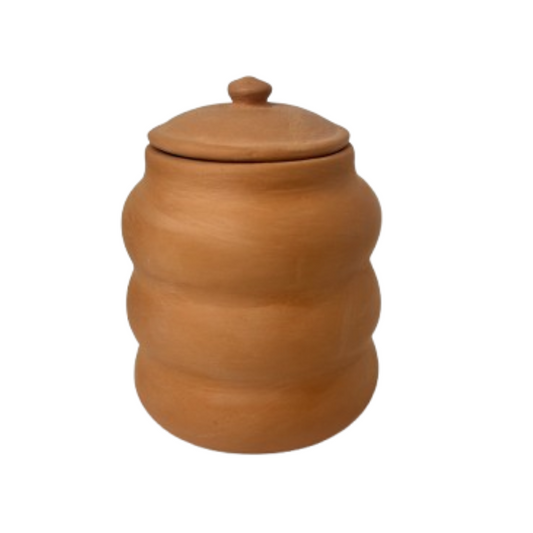
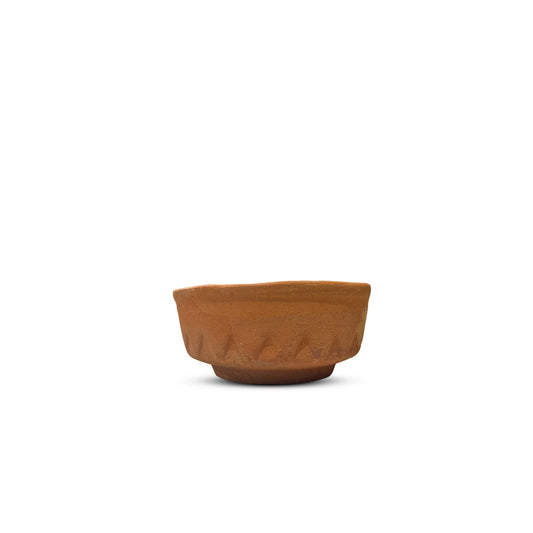
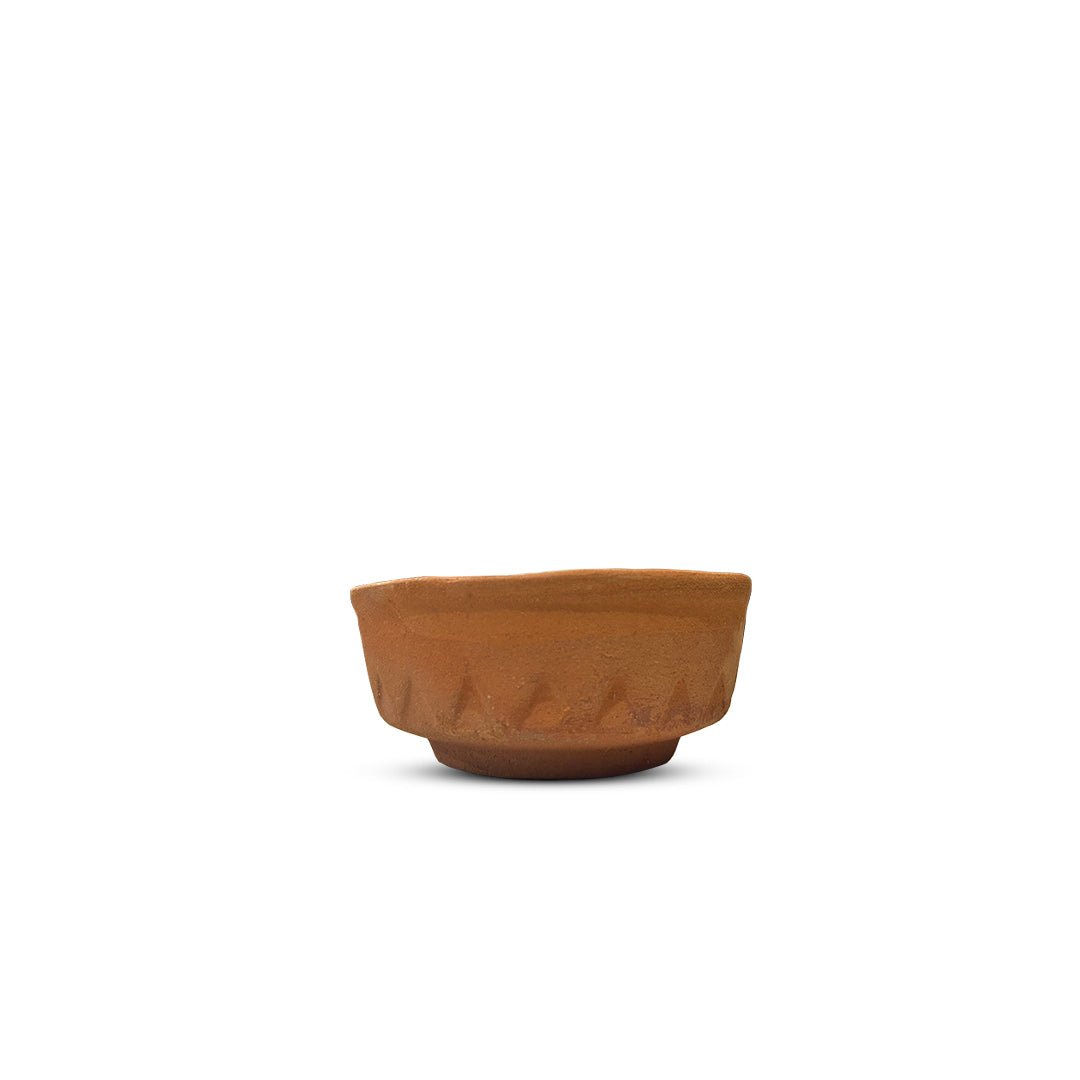
A terracotta filler slab simply replaces these structurally inactive pockets of heavy concrete with lightweight clay materials. The structural strength of the building continues to be provided by the reinforced concrete and steel framework. The steel handles the tensile forces, the upper layer of concrete manages the compression, and the terracotta units simply occupy the void.
By strategically arranging clay pots between the steel grid before pouring the cement, builders create a sturdy grid of reinforced concrete ribs. These structural ribs bear the weight securely, proving that removing excess concrete does not compromise the roof’s integrity.
Related Read: Different Sizes of Terracotta Filler Slabs and Their Applications
Reducing Dead Weight: How Lighter Roofs Enhance Stability
Ironically, one of the greatest structural advantages of a terracotta filler slab is that it makes the entire roof lighter.
In traditional construction, the massive volume of solid concrete used creates a significant dead load the permanent, immovable weight of the building materials themselves. A building's foundation must be robust enough to support this immense downward pressure.
By integrating clay filler materials, builders significantly reduce the volume of concrete used in the slab, cutting concrete usage by up to 30%. This intelligent substitution dramatically decreases the roof's overall dead weight. A lighter roof exerts considerably less stress on the supporting walls, pillars, and foundational footings. For projects focused on resource efficiency, reducing unnecessary overhead mass is a highly beneficial engineering strategy.
Material Quality and Precision Engineering
While the engineering theory is completely sound, the physical strength of a terracotta filler slab also depends heavily on the quality of the clay components utilized. For a roofing system to perform flawlessly for decades, the filler units must possess inherent durability to withstand the pouring and curing processes of the concrete.
Mudkart addresses this critical requirement through rigorous manufacturing standards. Each product undergoes precision firing and stringent quality testing to guarantee structural integrity and consistency across every single batch. By utilizing premium, rigorously tested materials—and offering a damage guarantee of less than 5% architects and builders are assured that the filler blocks will seamlessly integrate into the concrete framework without fracturing.
Long-Term Durability in Climate-Responsive Architecture
When properly designed by structural engineers and executed with skilled workmanship, a terracotta filler slab provides the exact same lifespan as any conventional RCC roof. These roofing systems are not experimental; they have been successfully utilized for decades in eco-friendly and climate-responsive architecture.
Beyond surviving the test of time, they improve the internal environment by providing exceptional thermal comfort. The structural framework safely supports the building while actively participating in passive cooling, helping create energy-efficient and sustainable homes.
Also Checkout: Top Benefits of Using Terracotta Filler Slabs in Hot Climates
Conclusion
Ultimately, structural science proves the strength of a terracotta filler slab. By relying on concrete strictly for compression and steel for tension, these roofs maintain load-bearing integrity while eliminating unnecessary dead weight.
For modern builders, architects, and homeowners, terracotta filler slab construction balances robust engineering with environmental sustainability. It proves that smart design can build structurally strong, energy-efficient, and sustainable homes while consuming fewer natural resources.
Frequently Asked Questions
Are terracotta filler slabs strong enough for residential buildings?
Yes. When designed by qualified structural engineers and constructed correctly, terracotta filler slabs provide the same structural performance and durability as conventional RCC roofs.
How do terracotta filler slabs maintain structural strength?
Terracotta filler slabs maintain strength because the reinforced concrete and steel reinforcement continue to carry structural loads. The terracotta units replace only the non-structural concrete in the tension zone.
Do terracotta filler slabs reduce concrete usage?
Yes. Terracotta filler slabs can reduce concrete usage by up to 30%, helping lower construction costs and reduce the overall dead load of the building.
Do terracotta filler slabs make buildings lighter?
Yes. By replacing unnecessary concrete with lightweight terracotta clay units, filler slabs reduce the roof's dead load, placing less stress on foundations, beams, columns, and walls.
Are terracotta filler slabs durable?
Yes. High-quality terracotta filler slabs, such as those manufactured by Mudkart, undergo precision firing and quality testing to ensure long-term durability and structural reliability.
Why are terracotta filler slabs used in sustainable construction?
Terracotta filler slabs improve thermal insulation, reduce concrete consumption, lower embodied carbon, decrease roof dead load, and support energy-efficient, climate-responsive building design.
Related post
28
Sep
28
Sep

31
Aug
RECENT POSTS