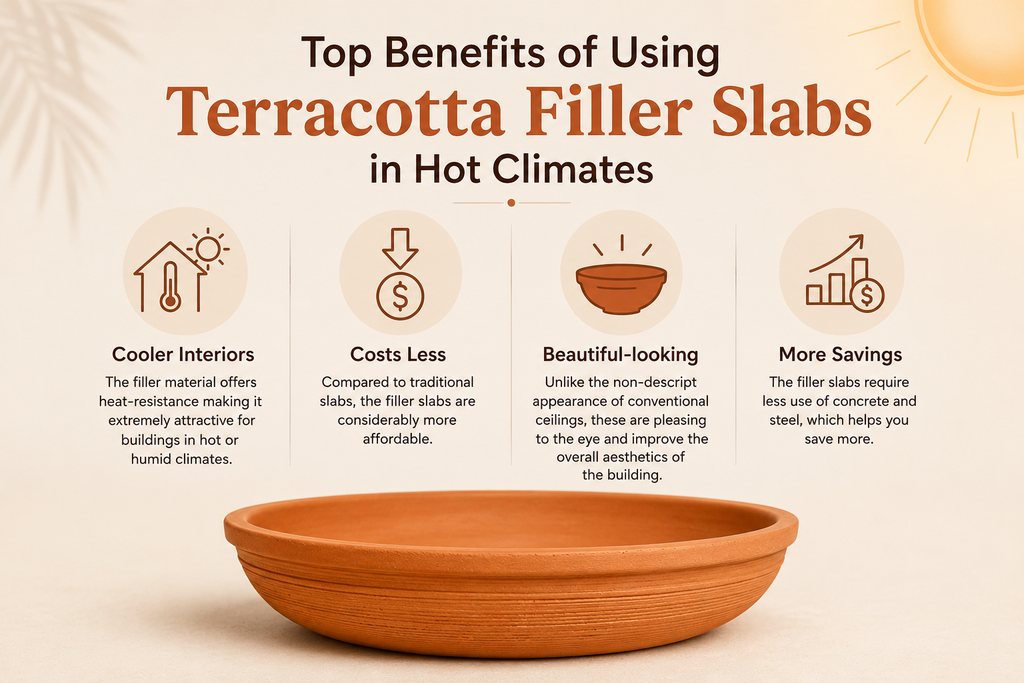
Top Benefits of Using Terracotta Filler Slabs in Hot Climates
Building for hot climates comes with a unique set of challenges. Excessive heat gain, rising cooling costs, and indoor discomfort are common concerns for homeowners and builders alike. While air conditioning can provide relief, sustainable construction focuses on preventing heat from entering the building in the first place.
This is where terracotta filler slab construction has gained significant attention.
Combining traditional materials with practical engineering, terracotta filler slabs offer a roofing solution that is not only structurally efficient but also naturally suited to warmer climates. By reducing heat transfer and minimizing material consumption, they help create more comfortable living spaces while supporting sustainable building practices.
For homeowners looking to build smarter, not just bigger, terracotta filler slabs offer several compelling advantages.
Better Thermal Comfort Throughout the Year
One of the biggest benefits of a terracotta filler slab is its ability to improve thermal performance. Traditional concrete roofs tend to absorb and retain large amounts of heat during the day. As temperatures rise outside, that heat gradually transfers into the interior spaces below, making rooms warmer and increasing reliance on cooling systems. Terracotta naturally acts as a thermal insulator. When used as filler material within a slab, it helps reduce the amount of heat transmitted through the roof. The result is a cooler indoor environment, particularly during peak summer months. For homes located in regions with long periods of high temperatures, this improved thermal comfort can make a noticeable difference in everyday living.
Also Check Out: What Is a Filler Slab Roof? Complete Beginner’s Guide
Reduced Dependence on Artificial Cooling
A cooler building envelope often leads to lower energy consumption. Because terracotta filler slabs help regulate indoor temperatures, homeowners may find themselves relying less on air conditioning and other cooling systems to maintain comfort. This creates two important benefits. First, it can contribute to lower electricity bills over time. Second, it supports more environmentally responsible construction by reducing overall energy demand. As energy costs continue to rise and sustainability becomes a greater priority, passive cooling strategies are becoming increasingly valuable in residential design. A well-designed roof system can play a much bigger role in energy efficiency than many people realize.
Lower Concrete Consumption
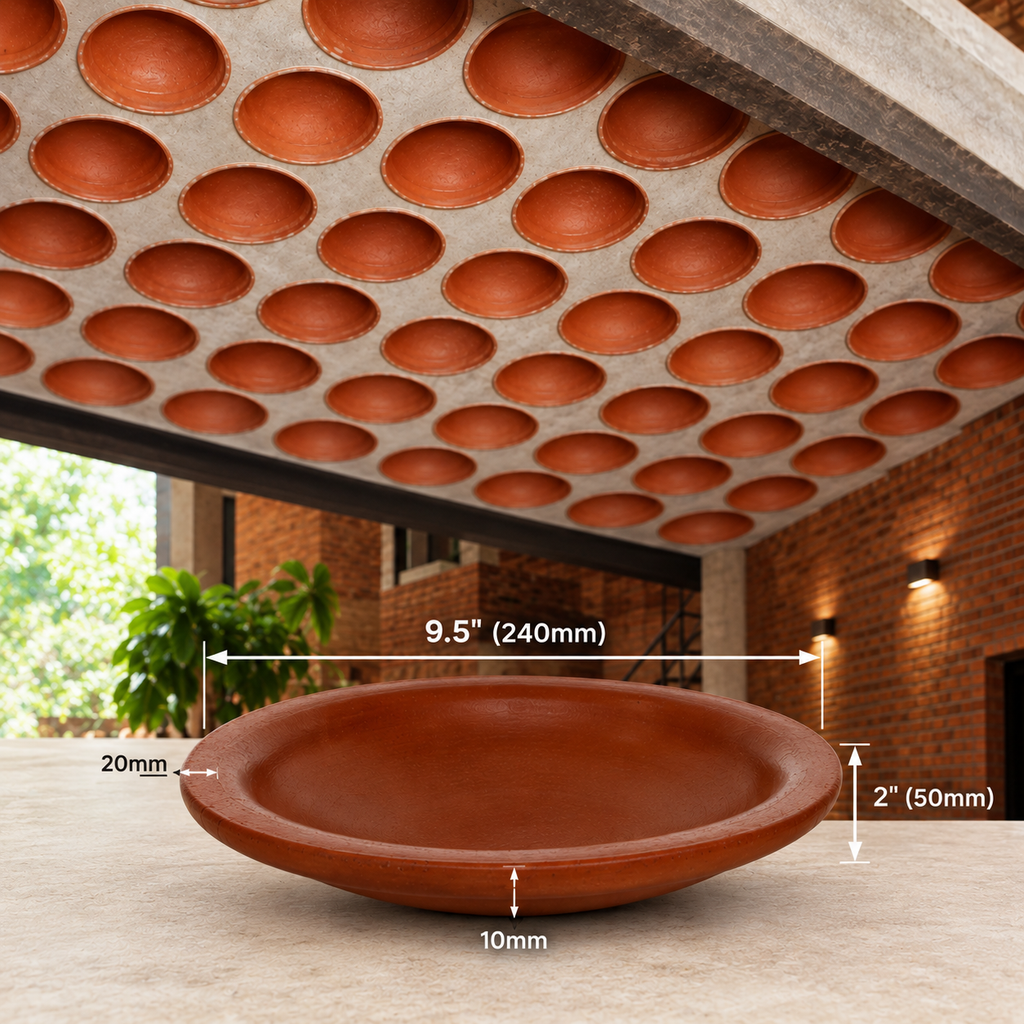
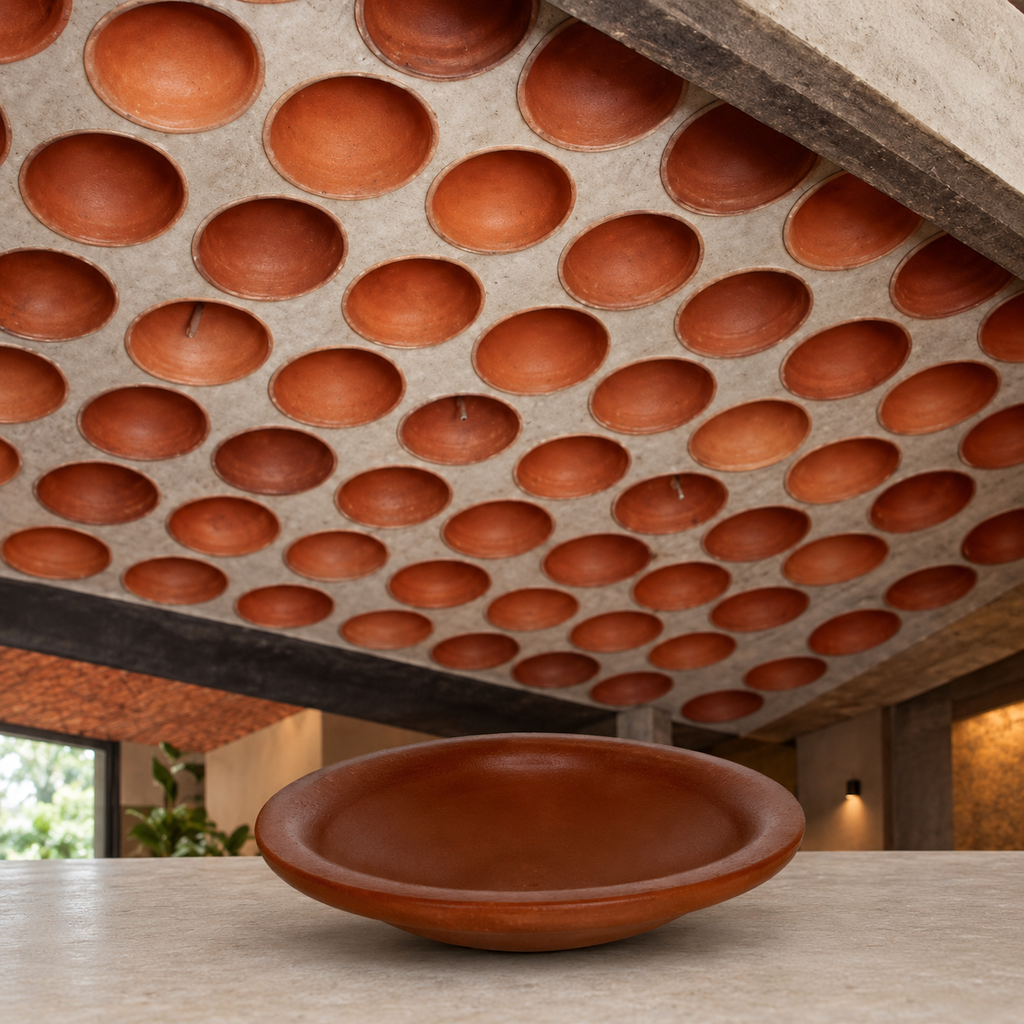
One of the core principles behind filler slab construction is reducing the use of concrete in areas where it contributes little to structural performance. In a conventional slab, certain portions of concrete primarily act as dead weight rather than carrying significant structural loads. Replacing these sections with terracotta blocks allows builders to optimize material usage without compromising strength. This reduction in concrete consumption offers several advantages:
-
Lower material requirements
-
Reduced construction costs
-
Lower embodied carbon
-
Improved resource efficiency
For projects focused on sustainable building practices, this makes terracotta filler slabs an attractive option. It is a simple example of how thoughtful engineering can achieve more with less.
Enhanced Aesthetic Appeal
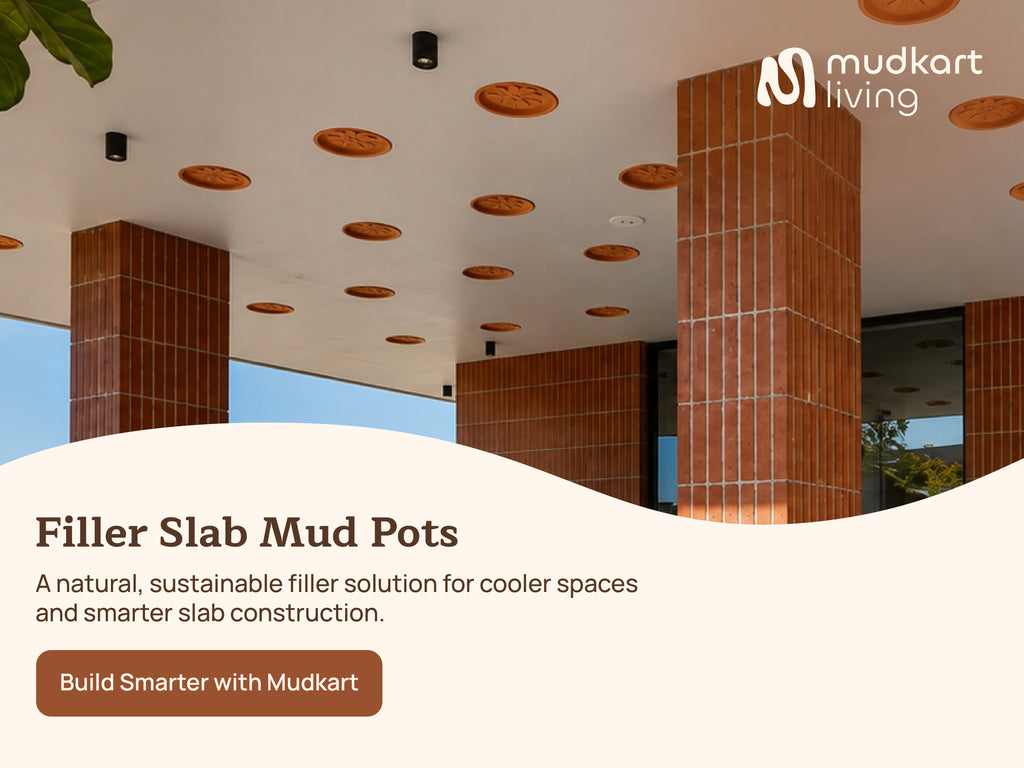
Beyond performance benefits, terracotta filler slabs also contribute to the visual character of a space. Many homeowners appreciate the warm, earthy appearance of exposed terracotta patterns on ceilings. Unlike conventional roofs that often require plastering and additional finishing work, filler slab ceilings can become a design feature in their own right. The natural texture and color of terracotta create a sense of authenticity that works particularly well in contemporary, rustic, and eco-conscious architectural styles. This combination of function and beauty is one reason architects continue to incorporate terracotta into modern building projects.
Environmentally Responsible Construction
Sustainability is no longer a niche consideration in construction. Increasingly, homeowners are seeking building solutions that balance comfort, durability, and environmental responsibility. Terracotta is a natural material made from clay and has been used in construction for centuries. When combined with filler slab techniques, it supports more efficient use of resources while reducing the overall environmental impact of the structure. The reduced concrete requirement alone contributes to a lower carbon footprint, making terracotta filler slab systems a practical choice for environmentally conscious projects.
Long-Term Durability and Performance
When properly designed and constructed, terracotta filler slabs offer the same structural reliability expected from conventional roofing systems. The roofing system continues to rely on reinforced concrete and steel for load-bearing strength, while the terracotta elements function as filler components. With appropriate design, quality materials, and skilled workmanship, these roofs can provide decades of reliable performance while maintaining their thermal and aesthetic benefits.
Conclusion
A terracotta filler slab offers more than just an alternative roofing technique. It provides a practical solution for improving thermal comfort, reducing energy consumption, lowering material usage, and supporting sustainable construction goals.
For homeowners building in hot climates, the advantages are both immediate and long-term. Cooler interiors, reduced dependence on mechanical cooling, enhanced aesthetics, and better resource efficiency make terracotta filler slabs a smart investment in both comfort and sustainability.
As climate-conscious construction continues to evolve, terracotta filler slabs remain a timeless example of how traditional materials can solve modern building challenges.
Related post
28
Sep
28
Sep
31
Aug
RECENT POSTS