Different Sizes of Terracotta Filler Slabs and Their Applications
When embarking on a sustainable construction journey, architects are continually searching for materials that harmonize environmental responsibility with structural brilliance. The terracotta Filler Slab has rapidly emerged as a frontrunner in sustainable roofing solutions. By strategically substituting the inactive concrete in a roof's tension zone with hollow clay elements, this technique drastically reduces material waste while enhancing the building's overall efficiency.
However, designing an eco-friendly roof is rarely a one-size-fits-all endeavor. Buildings vary widely in their load-bearing requirements, slab thickness, and spatial spans. Consequently, the filler materials used must adapt to these specific engineering parameters. Understanding the different sizes of terracotta filler slabs and knowing where each size is best applied is crucial for maximizing structural safety, thermal performance, and resource efficiency. Selecting the appropriate dimensions ultimately influences your project's durability, energy efficiency, and architectural appeal.
Why Does the Size of a Terracotta Filler Slab Matter?
The size of a terracotta filler slab directly impacts structural performance, concrete savings, thermal insulation, and overall building efficiency.
In any reinforced cement concrete (RCC) roof, the total slab thickness is determined by the span it needs to cover and the load it must support. Since the terracotta filler slab is embedded within this structural framework, the clay unit's height and width must precisely match the slab's depth.
If a clay block is too shallow, it cannot replace sufficient concrete, reducing both cost savings and sustainability benefits. Conversely, if the filler unit is too deep, it may reduce the required concrete cover around the reinforcement steel, affecting structural integrity. Therefore, architects and structural engineers carefully determine the appropriate filler slab dimensions to balance material optimization with long-term strength and safety.
Standard Clay Pots for Residential Roofing
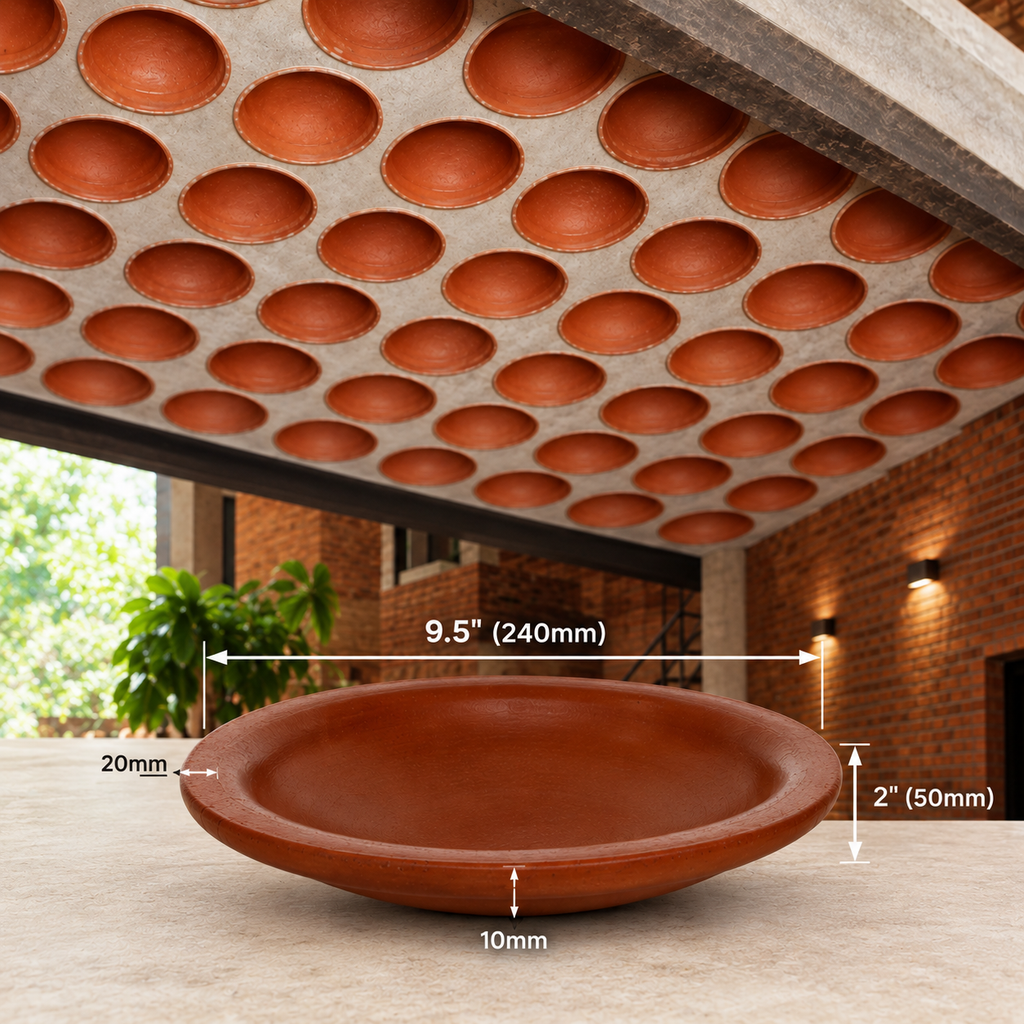
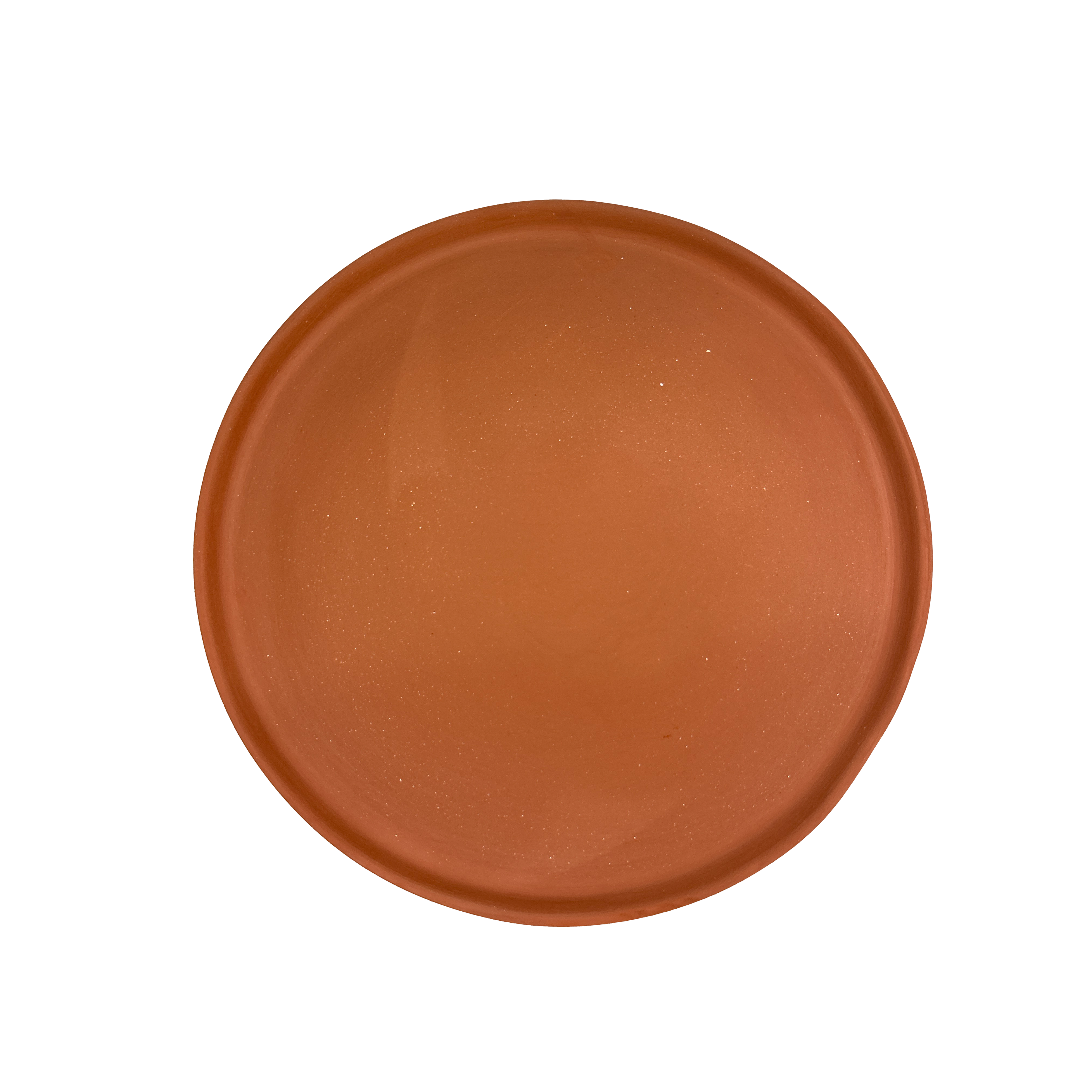
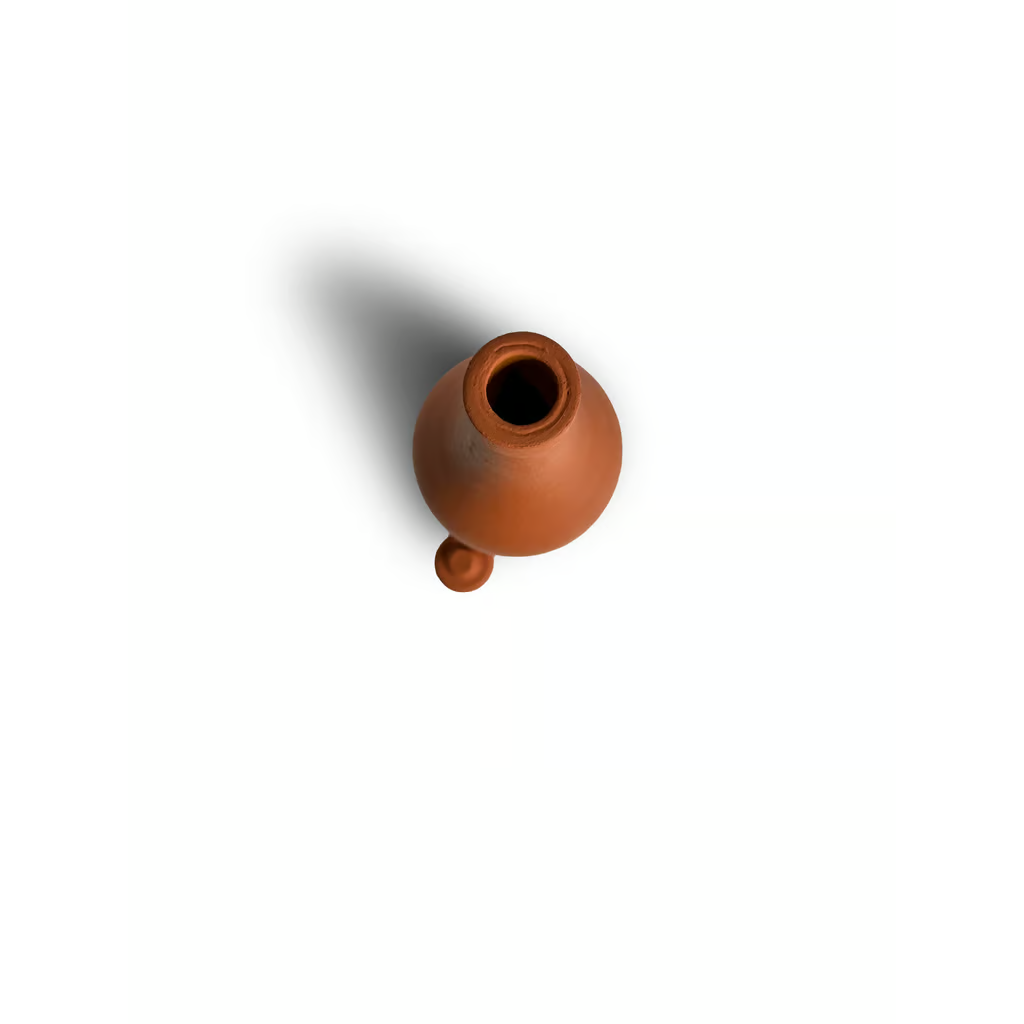
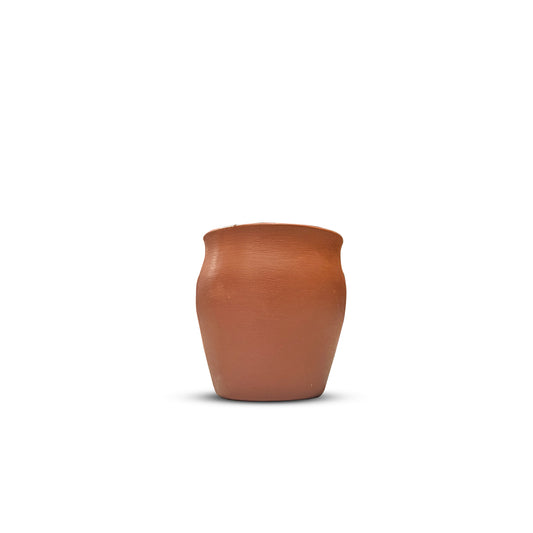
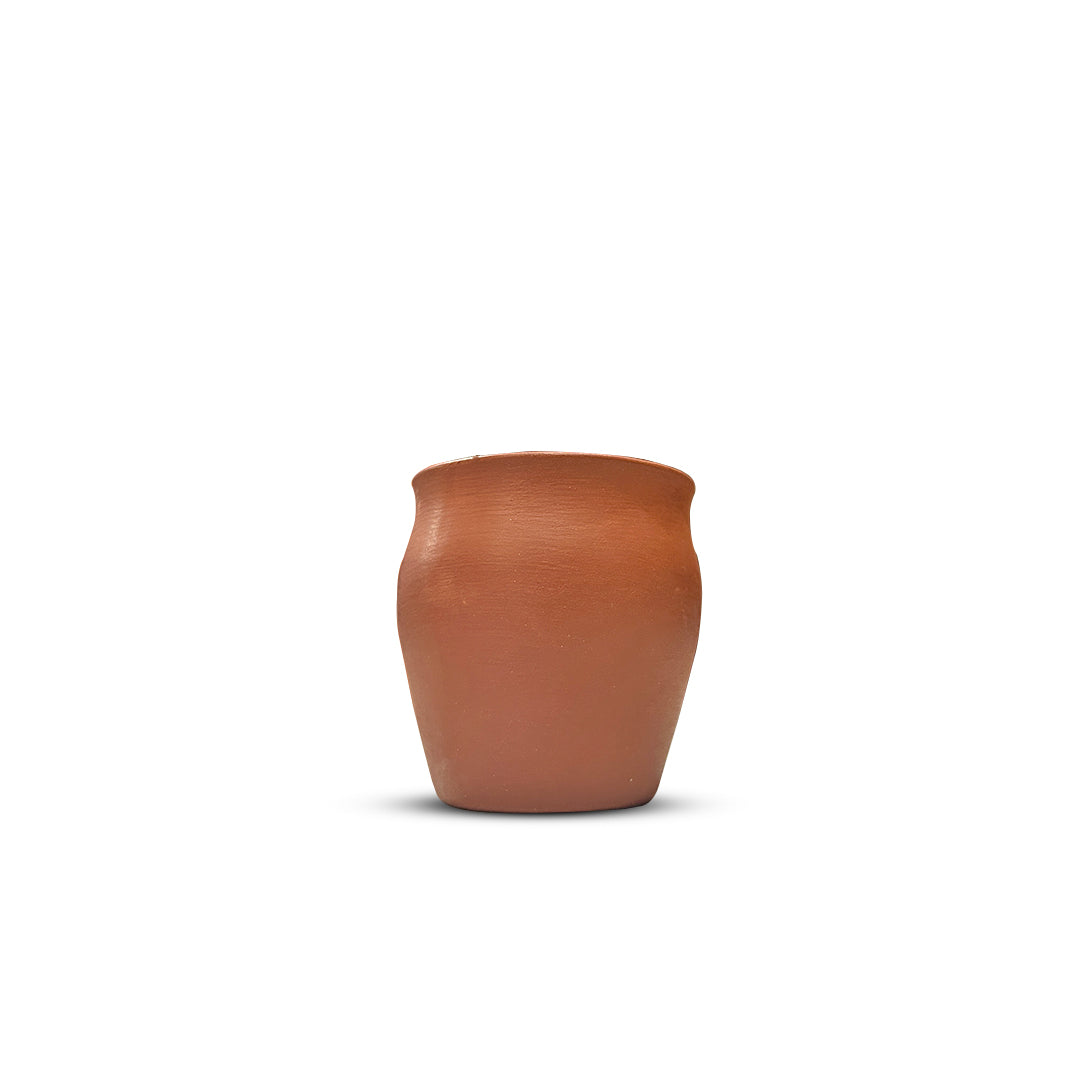
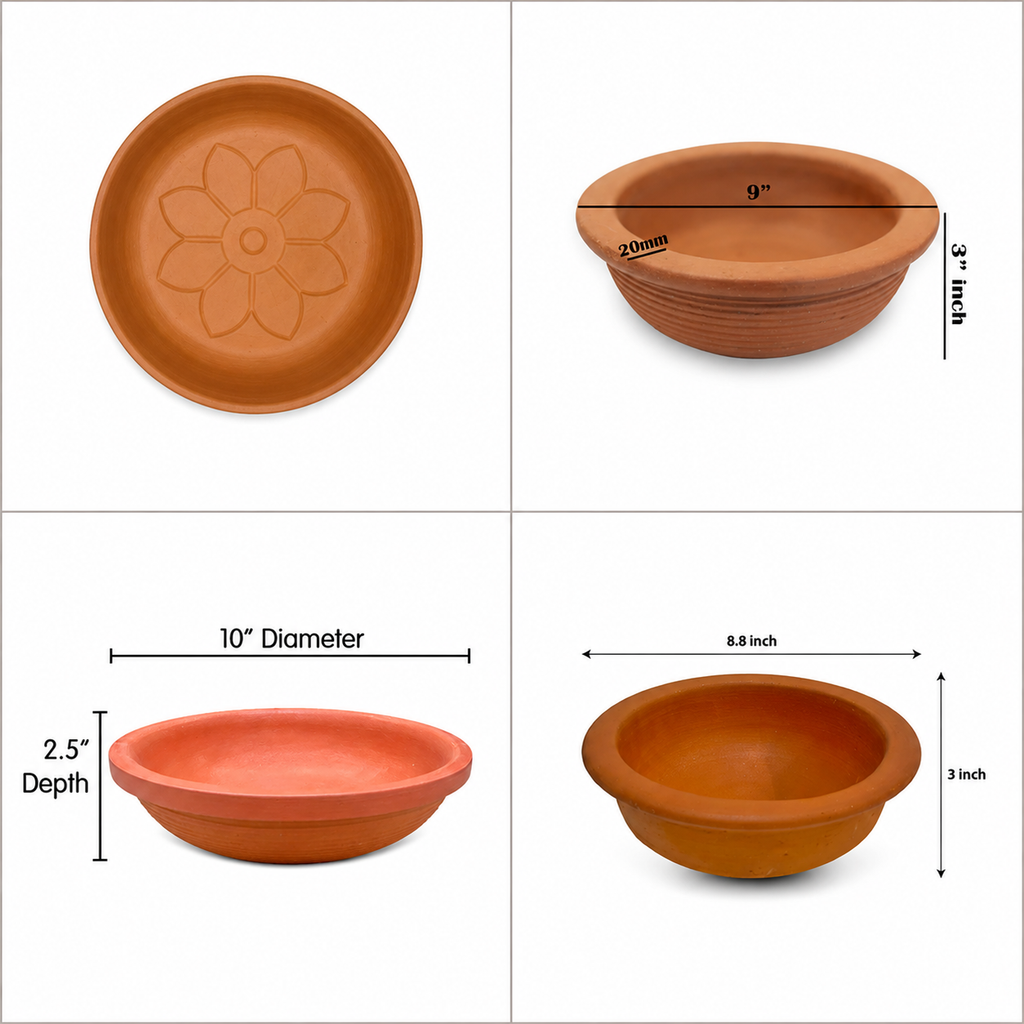
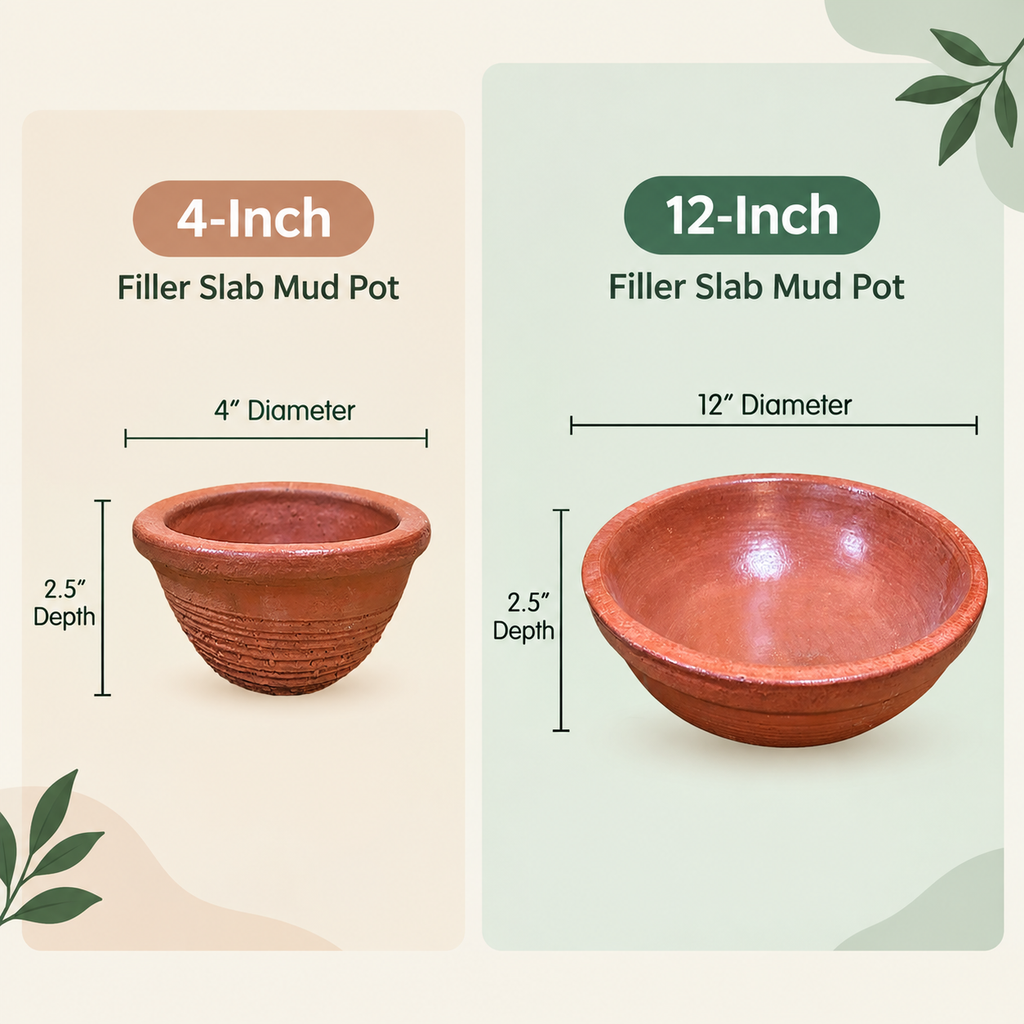
For most conventional residential projects, builders frequently use mid-sized clay units, such as the widely popular 9.5-inch filler slab mud clay pots, available through Mudkart's collection of terracotta filler slabs. These dimensions are specifically engineered to integrate seamlessly into standard residential roofing systems, where slab spans and structural loads are moderate.
The 9.5-inch profile offers an optimal void-to-concrete ratio. It effectively replaces a significant volume of heavy concrete, helping reduce concrete consumption by up to 30%, while maintaining sufficient space for standard steel reinforcement.
This size is especially suitable for:
-
Individual homes
-
Villas
-
Duplex houses
-
Sustainable residential projects
-
Top-floor roofs in warm climates
The air cavity within the terracotta pot acts as an effective thermal barrier, helping reduce indoor temperatures and lowering dependence on energy-intensive air-conditioning systems.
Shallower Terracotta Tiles for Thinner Slabs
Not every construction project requires thick RCC roofs.
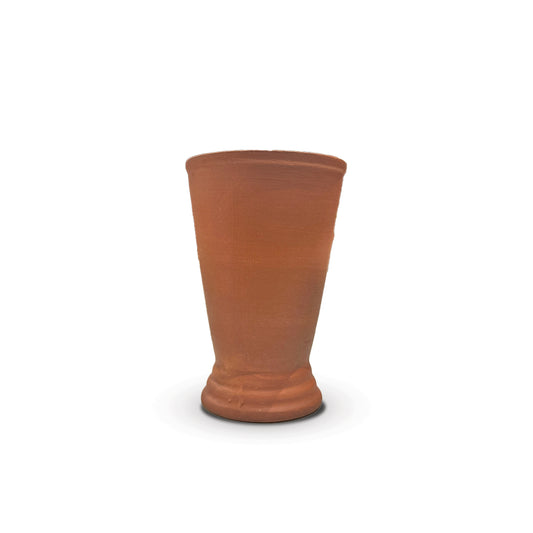
For intermediate floors, balconies, verandas, utility spaces, or rooms with shorter spans, structural engineers often design thinner reinforced concrete slabs. In these situations, shallower terracotta filler slabs provide the ideal solution.
Using low-profile clay filler units preserves the sustainability advantages without introducing oversized components into thinner structural sections.
These shallower profiles offer several benefits:
-
Reduced dead load
-
Improved material efficiency
-
Better utilization of ceiling height
-
Lower structural weight
-
Suitable for multi-story residential buildings
Architects frequently select these dimensions where maximizing usable interior space and minimizing structural load are key design priorities.
Deeper Terracotta Blocks for Commercial Buildings
Large commercial buildings and expansive residential layouts often require longer unsupported spans.
Commercial complexes, educational institutions, public buildings, and open-plan residences typically feature wide spaces without intermediate columns. These designs require thicker reinforced concrete slabs to safely carry greater structural loads.
To reduce unnecessary concrete in these thicker slabs, builders utilize deeper terracotta filler slab units.
Larger terracotta filler blocks provide multiple advantages:
-
Replace larger volumes of concrete
-
Reduce overall roof dead load
-
Lower construction material costs
-
Improve thermal insulation
-
Enhance acoustic performance
-
Increase sustainability in large-scale projects
The larger internal air cavities also improve sound absorption and heat resistance, making them particularly valuable for commercial and institutional buildings.
The Aesthetic Impact of Different Terracotta Filler Slab Sizes
Beyond their structural benefits, the dimensions of terracotta filler slabs significantly influence architectural aesthetics.
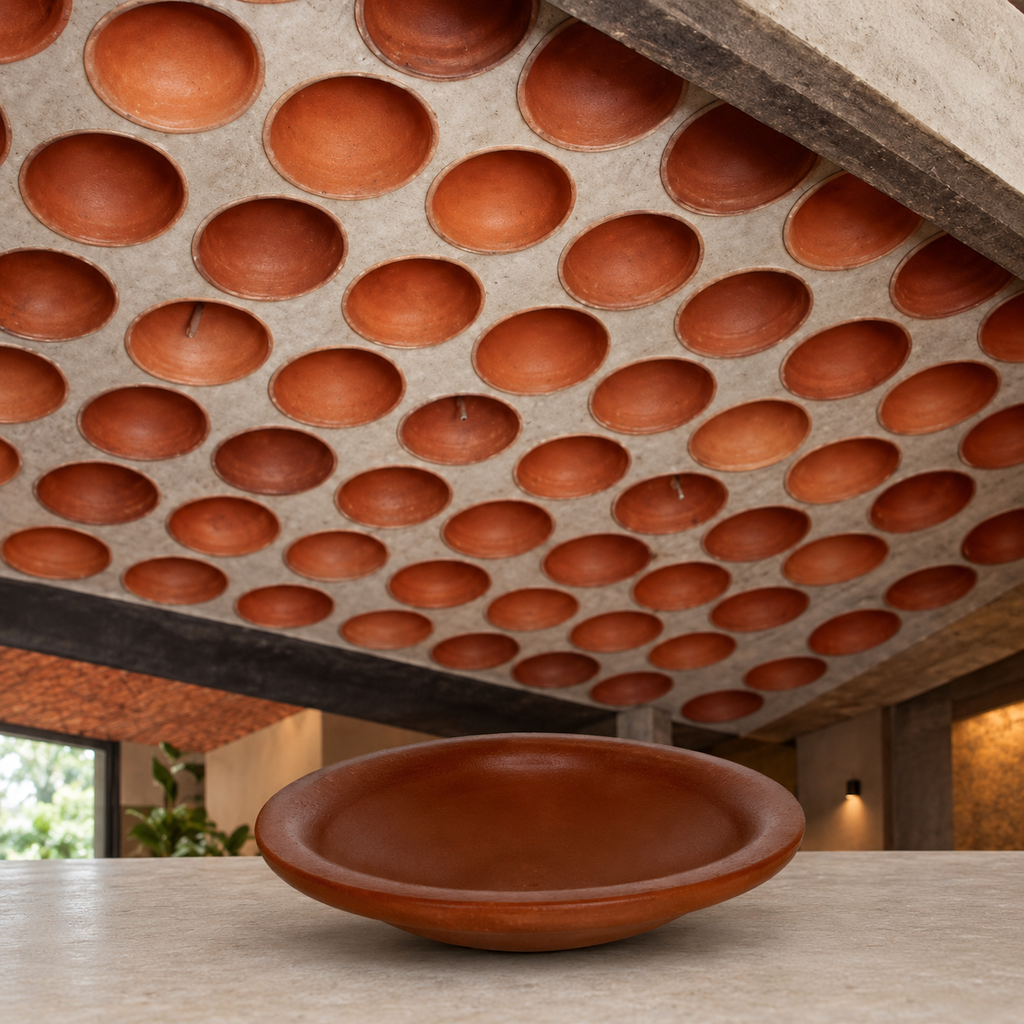
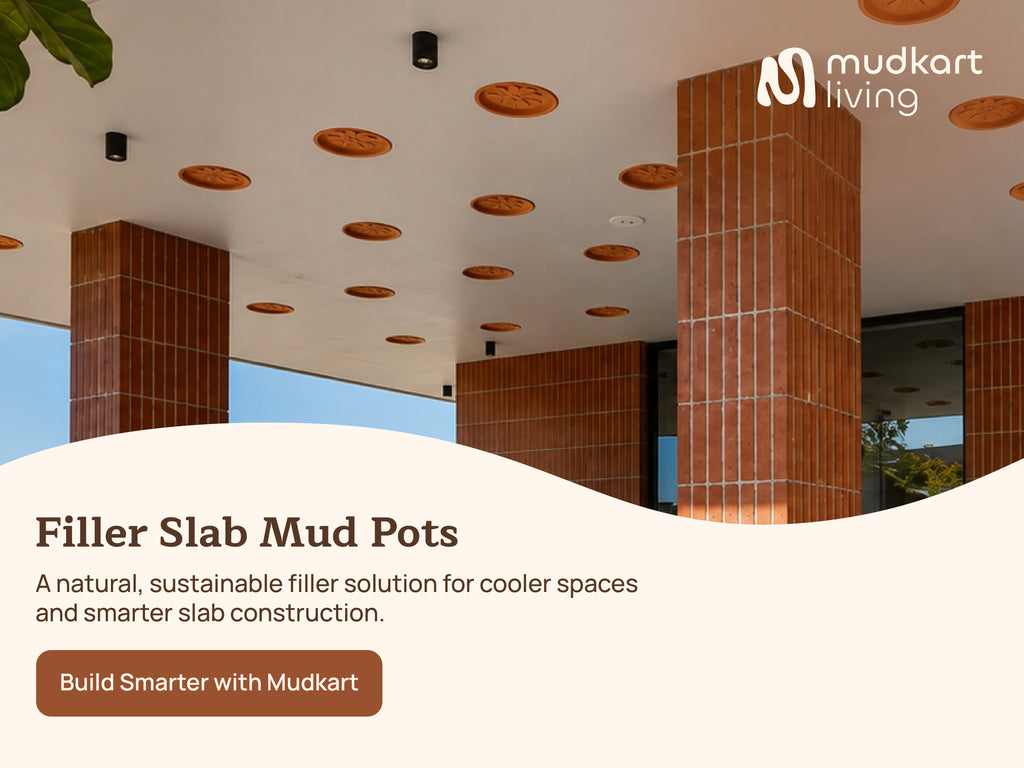
Since filler slab ceilings are often left exposed, the underside of each terracotta unit becomes a visible design element.
Different sizes create distinct visual effects:
-
Smaller clay units produce intricate ceiling patterns ideal for cozy residential interiors.
-
Medium-sized filler slabs create balanced, symmetrical ceiling layouts.
-
Larger terracotta blocks generate bold geometric patterns that complement contemporary and minimalist architecture.
Mudkart's range of terracotta filler slabs allows architects and homeowners to choose dimensions that satisfy both engineering requirements and interior design preferences.
Related Read: Why Architects Prefer Filler Slabs for Sustainable Homes
Choosing the Right Terracotta Filler Slab Size
Selecting the correct terracotta filler slab depends on several project-specific factors, including:
-
Roof span
-
Slab thickness
-
Structural load
-
Building type
-
Thermal insulation requirements
-
Architectural aesthetics
-
Budget considerations
Consulting experienced structural engineers and selecting high-quality terracotta filler slabs ensures optimal performance, durability, and long-term sustainability.
Conclusion
The true brilliance of a terracotta filler slab lies in its remarkable adaptability. By selecting the appropriate size whether it is a standard 9.5-inch pot for a family home, a shallow tile for an intermediate floor, or a deeper block for an expansive commercial building architects can optimize structural performance while reducing environmental impact.
Choosing the right terracotta filler slab dimensions helps maximize concrete savings, improve thermal comfort, lower construction costs, enhance architectural aesthetics, and support sustainable building practices. Precision-engineered terracotta continues to be one of the smartest solutions for creating energy-efficient, eco-friendly, and visually distinctive buildings.
Frequently Asked Questions
What are the different sizes of terracotta filler slabs?
Terracotta filler slabs are available in various sizes to suit different slab thicknesses and structural requirements. Common options include standard 9.5-inch clay pots, shallower units for thinner slabs, and deeper blocks for larger commercial structures.
Which terracotta filler slab size is best for residential buildings?
A 9.5-inch terracotta filler slab is commonly used for residential homes because it provides an excellent balance between structural performance, thermal insulation, and concrete savings.
Why is choosing the correct filler slab size important?
Selecting the correct filler slab size ensures adequate concrete replacement, maintains structural strength, improves thermal performance, and maximizes construction cost savings.
Can terracotta filler slabs be used in commercial buildings?
Yes. Larger and deeper terracotta filler slabs are widely used in commercial buildings with longer roof spans to reduce concrete consumption while improving thermal and acoustic insulation.
How do terracotta filler slabs improve energy efficiency?
Terracotta filler slabs contain natural air cavities that reduce heat transfer through the roof, helping maintain cooler indoor temperatures and reducing air-conditioning requirements.
What factors should architects consider when selecting terracotta filler slab sizes?
Architects should consider roof span, slab thickness, structural load, building type, insulation requirements, architectural design, and budget when selecting the appropriate terracotta filler slab size.
Related post
28
Sep
28
Sep
31
Aug
RECENT POSTS