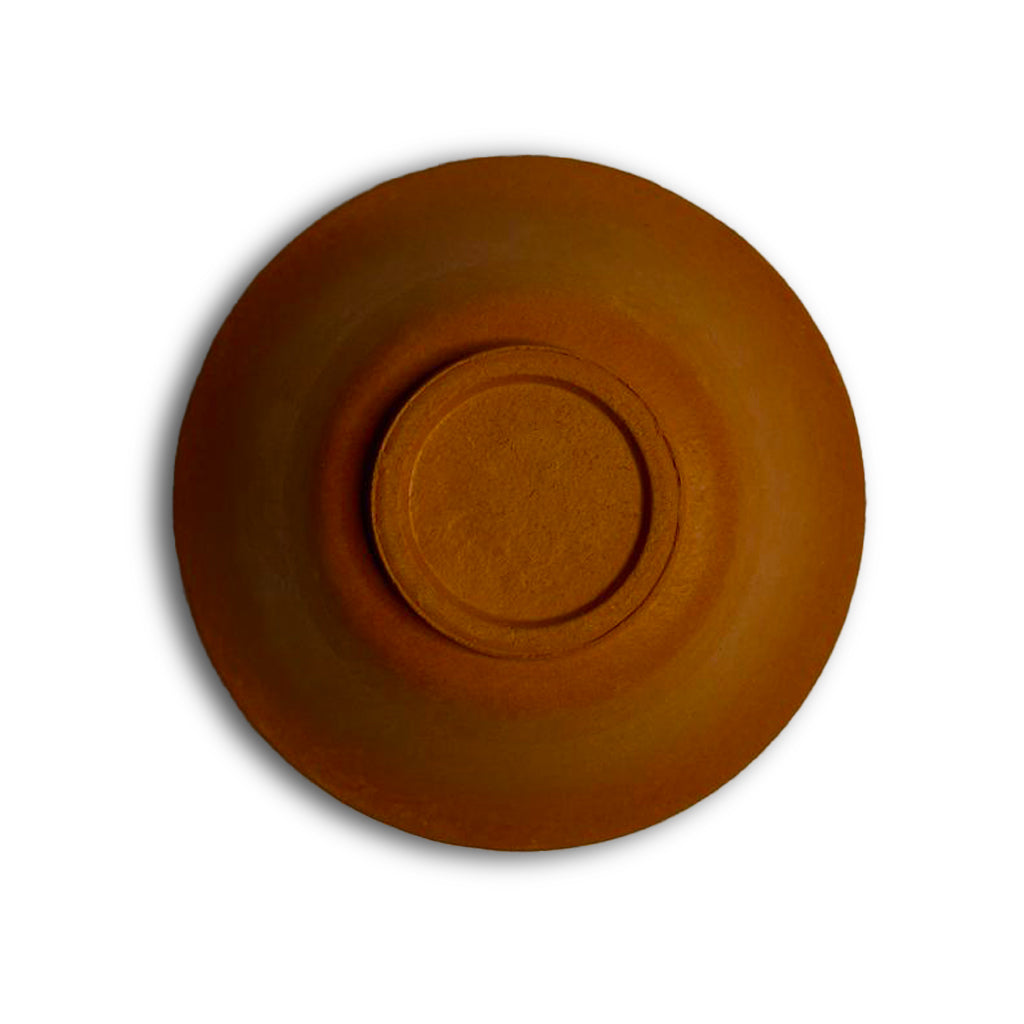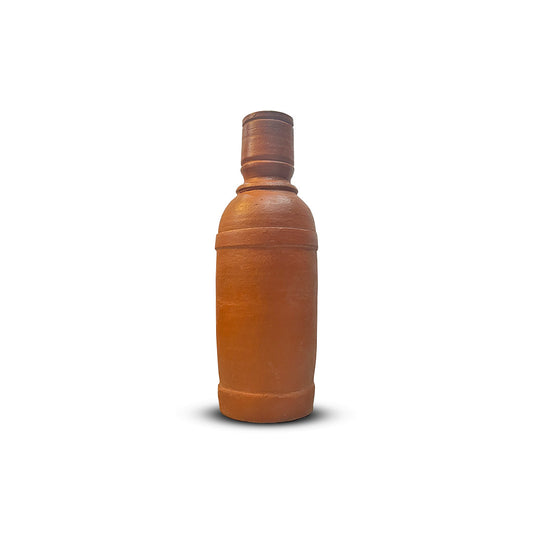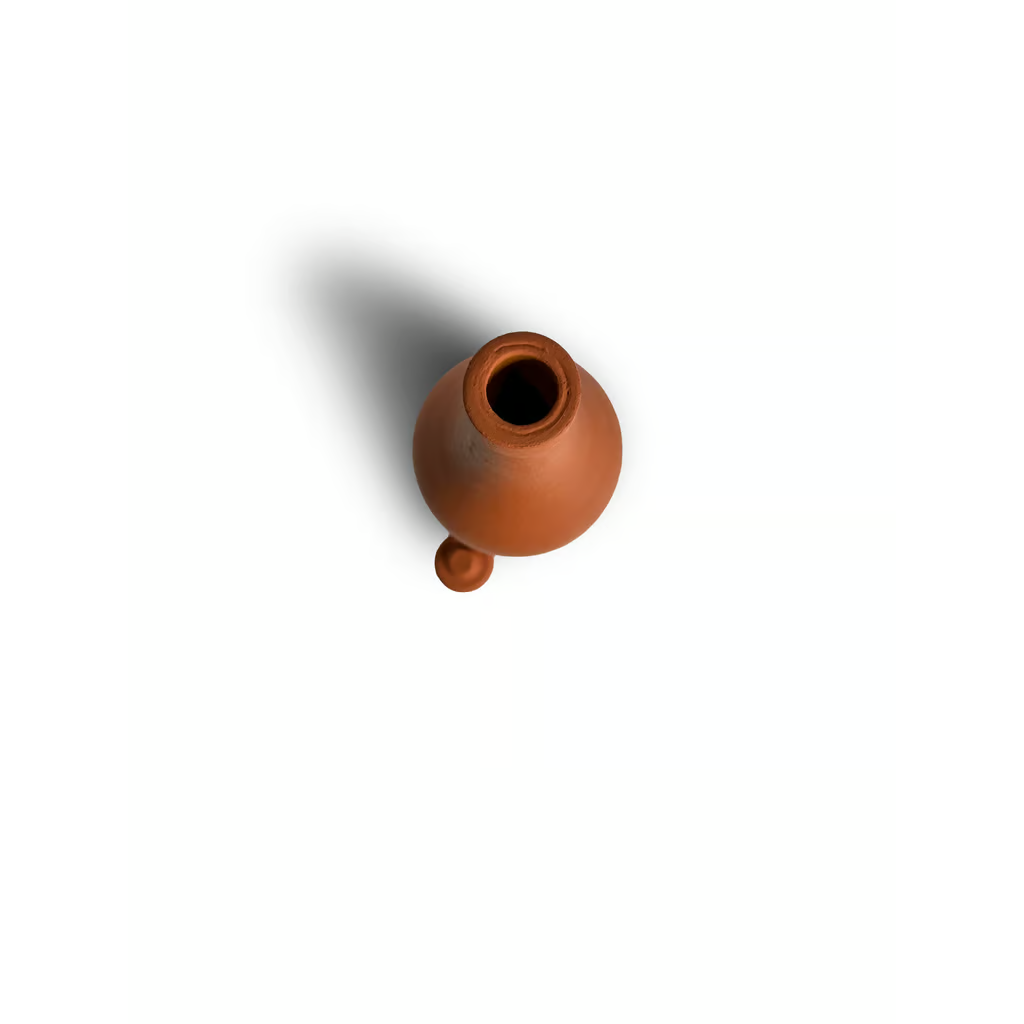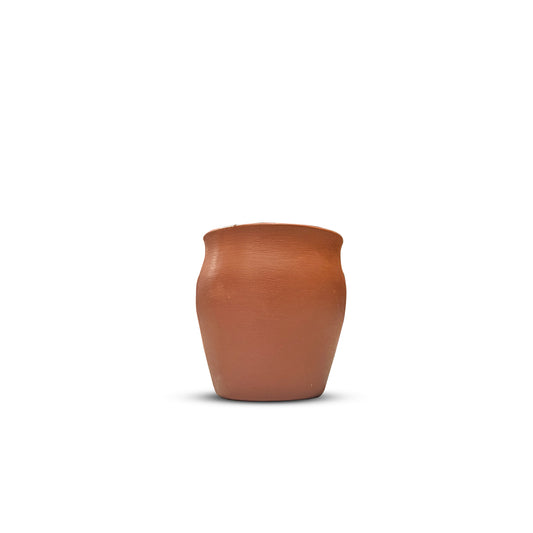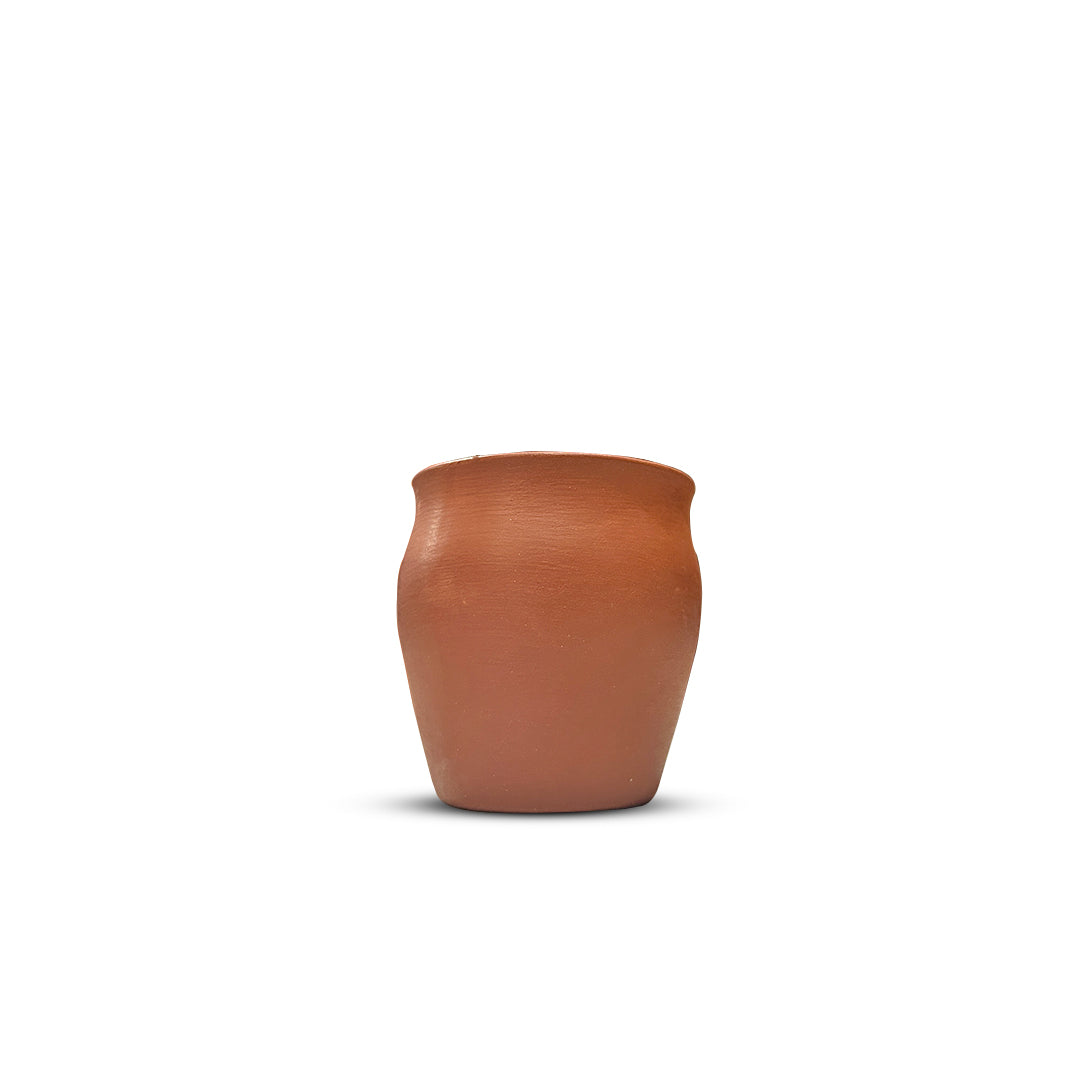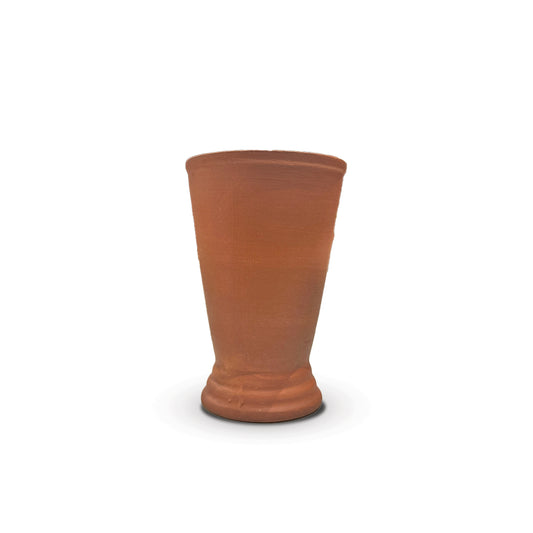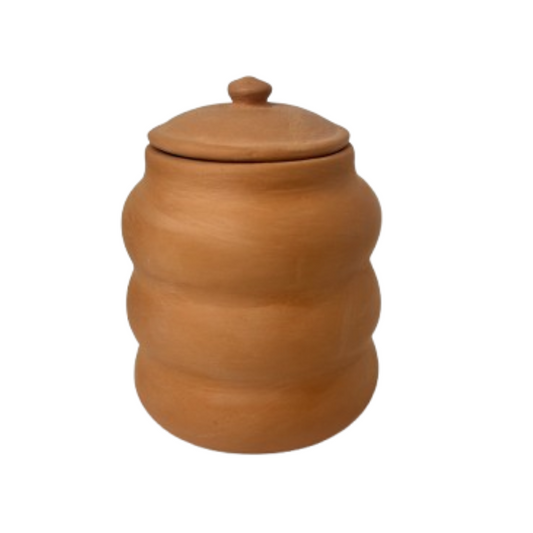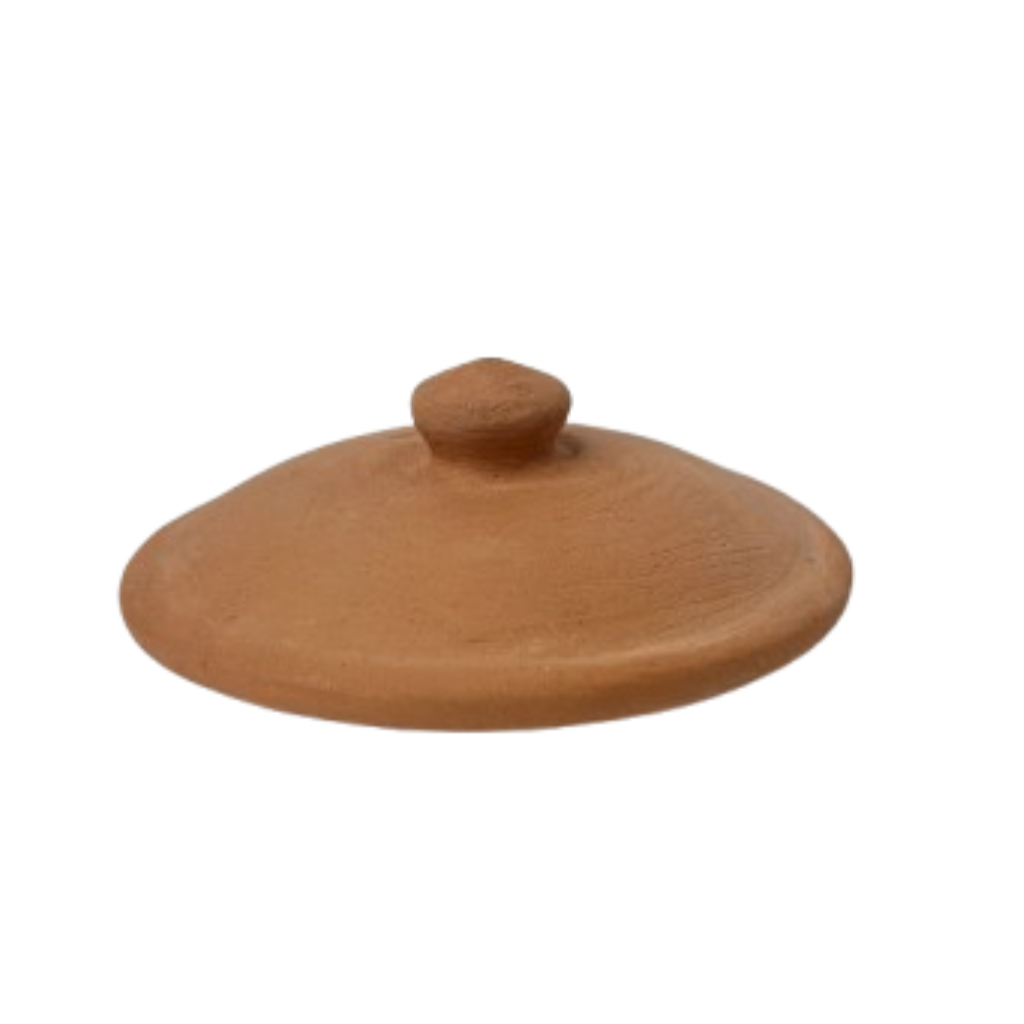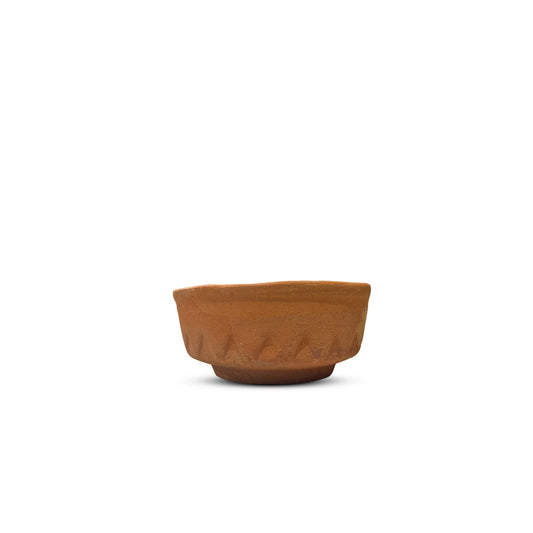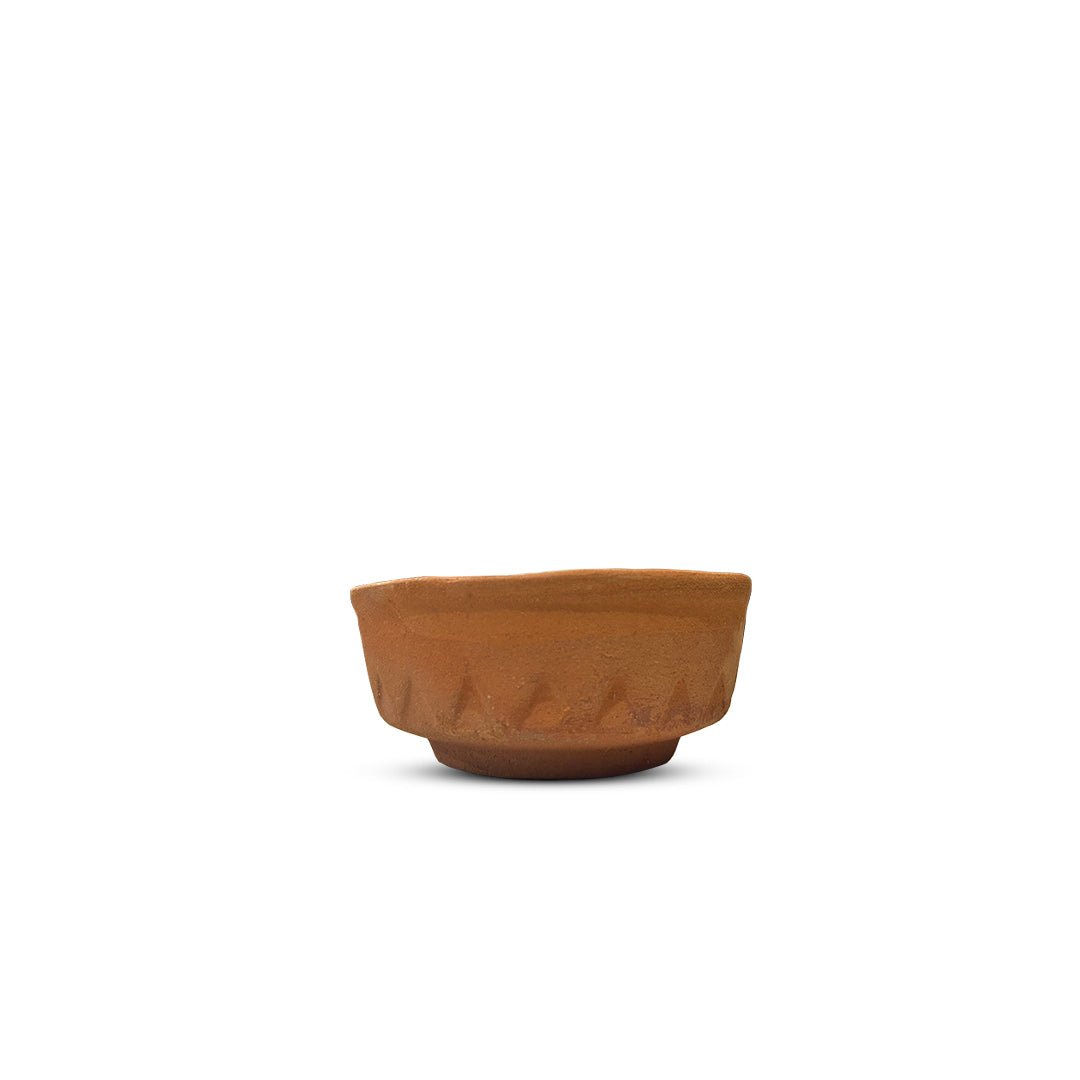
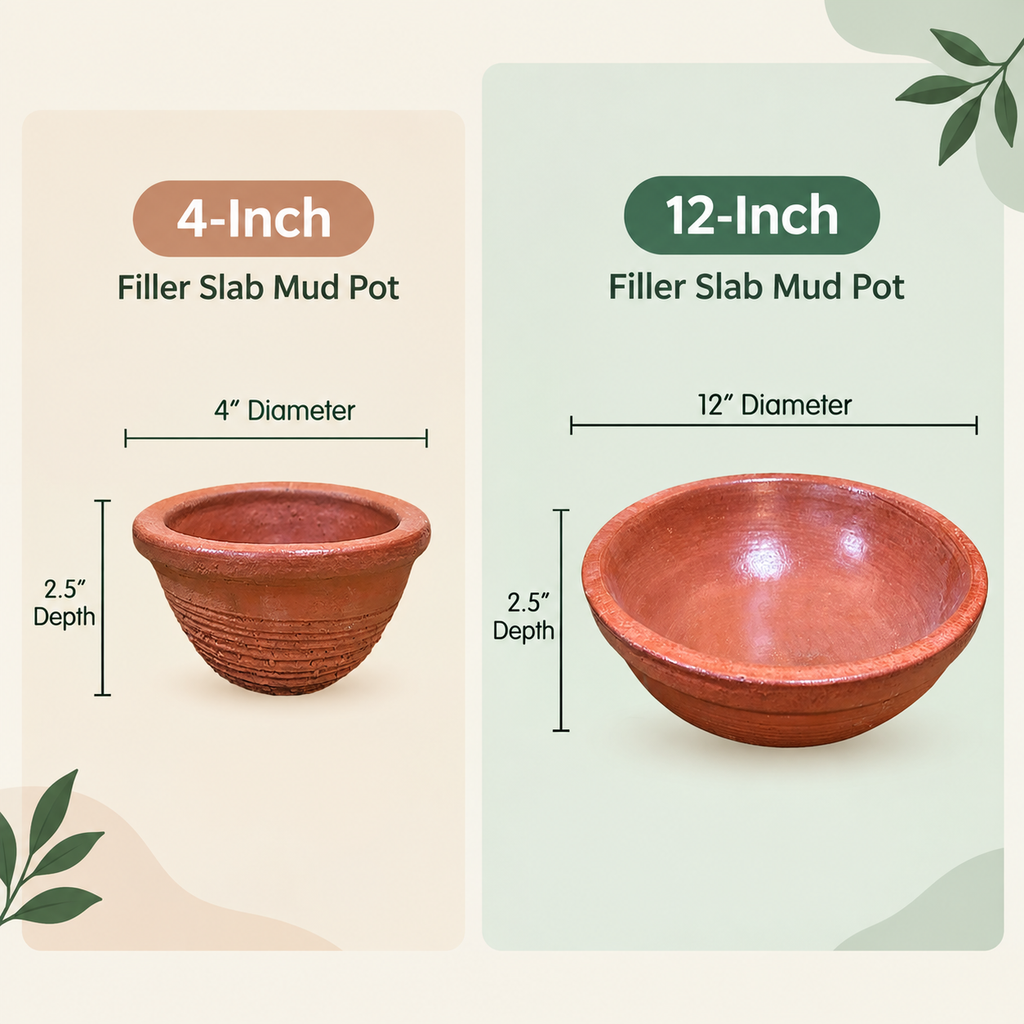
4-Inch vs 12-Inch Filler Slab Mud Pot
4-Inch vs 12-Inch Filler Slab Mud Pot: Which One Should You Choose?
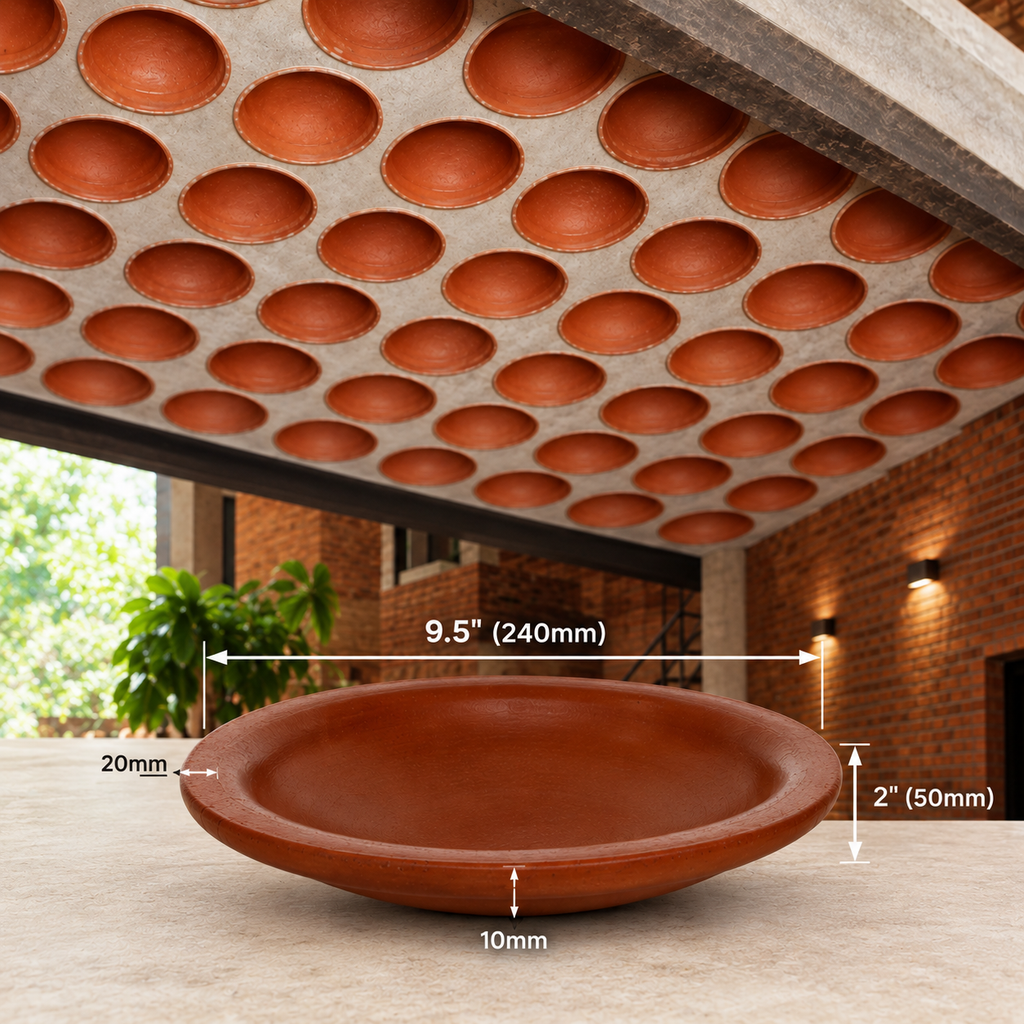
Quick answer: Choose a 4-inch filler slab mud pot for thin RCC roofs such as intermediate floors, balconies, corridors and compact rooms. Choose a 12-inch filler slab mud pot for deep roofs over large, uninterrupted spans such as open-plan homes, auditoriums and commercial buildings. The pot height must always match the roof's structural thickness, as confirmed by your structural engineer.
4-Inch vs 12-Inch Filler Slab Mud Pot at a Glance
| Factor | 4-Inch Pot | 12-Inch Pot |
|---|---|---|
| Best for | Balconies, corridors, intermediate floors, compact rooms | Large halls, open-plan homes, auditoriums, commercial buildings |
| Roof (RCC) thickness | Thinner slabs | Deeper, thicker slabs |
| Structural span | Short spans | Long, uninterrupted spans |
| Thermal insulation | Good improvement over solid concrete | Excellent, as it traps more air |
| Concrete saved | Moderate | Maximum |
| Dead load | Very light | Significant reduction in a deep slab |
| Ceiling height | Preserves interior height | Suited to deeper roof designs |
Why Does Pot Size Matter in a Terracotta Filler Slab?
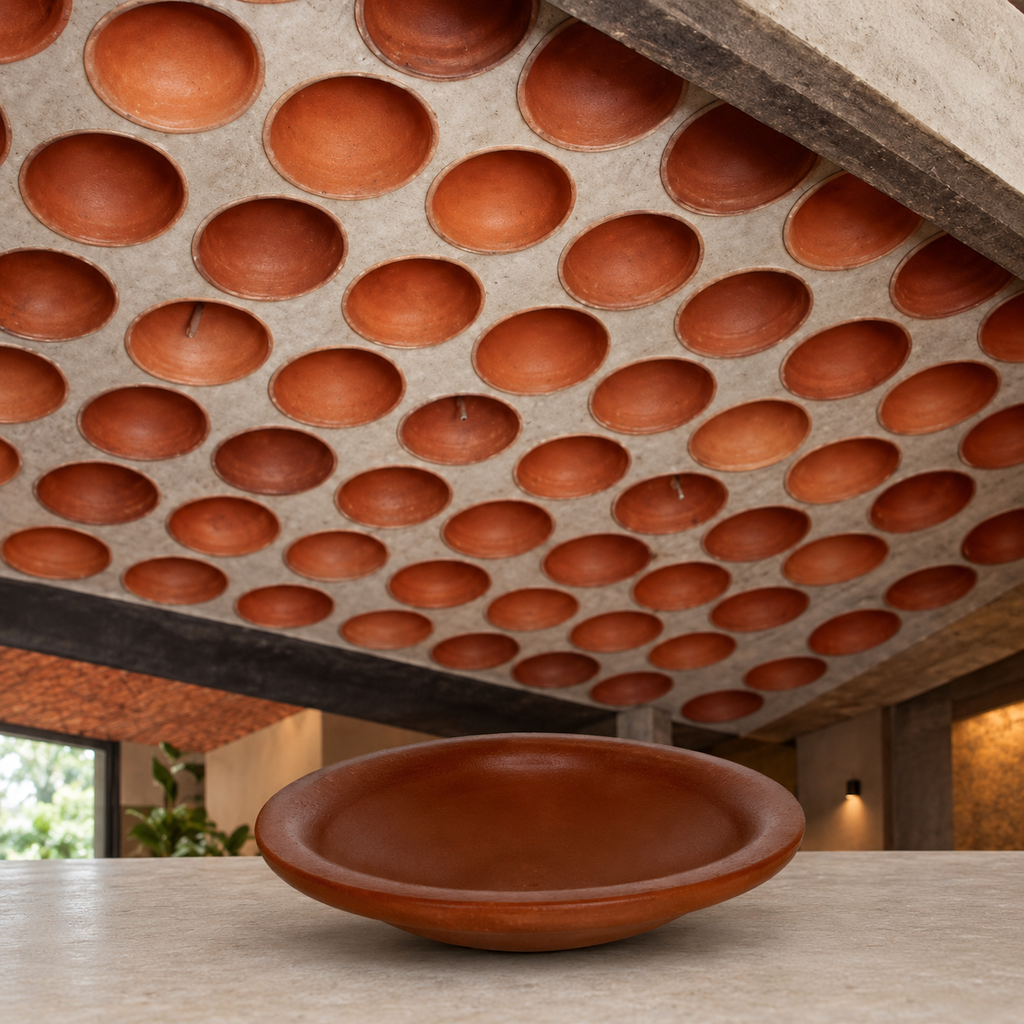
The terracotta filler slab has become a staple of cost-effective, climate-responsive roofing. It replaces the structurally inactive concrete in a roof's tension zone with lightweight clay units, cutting material waste and lowering the building's carbon footprint.
In reinforced cement concrete (RCC) construction, the depth of a roof is determined by the distance it needs to span and the load it must carry. A wider room without central pillars requires a thicker concrete base to prevent sagging. Because the clay units are embedded directly into this framework, the height of the unit must correspond to the depth of the roof.
A filler slab mud pot that is too shallow for a deep roof reduces the environmental and financial benefits. One that is too deep compromises the concrete cover needed to protect the steel reinforcement. Matching pot size to structural thickness is essential for both construction safety and long-term efficiency.
When Should You Use a 4-Inch Filler Slab Mud Pot?
The 4-inch unit is designed for thinner RCC frameworks. For intermediate floors, narrow corridors, balconies or compact rooms, structural engineers typically design much thinner concrete structures, and a 4-inch filler slab is the ideal choice there.
- Lightweight: Slender profiles significantly reduce the dead load on the building's foundation.
- Space-friendly: Shallower units are favored in urban projects where preserving interior ceiling height is a priority.
- Still thermally effective: They offer slightly less insulation than deeper units, but still improve indoor comfort considerably compared to a solid, dense concrete roof.
When Should You Use a 12-Inch Filler Slab Mud Pot?
Large open-plan homes, auditoriums and commercial buildings have wide rooms. Bridging these uninterrupted distances requires exceptionally thick reinforced concrete, and builders use the 12-inch filler slab mud pot to eliminate the large volume of dead concrete in these deep tension zones.
- Higher cost savings: These larger units displace a great deal of heavy cement, reducing raw material costs.
- Better thermal performance: The 12-inch profile traps a larger volume of air in its cavity, creating an excellent barrier against harsh external temperatures.
- Best for passive cooling: If your goal is to maximize passive cooling in a hot climate across a large layout, this deep profile performs best.
How to Choose Between a 4-Inch and 12-Inch Filler Slab Pot
Your decision should be guided by a qualified structural engineer rather than aesthetic preferences. Consider three factors:
- Structural span: Compact rooms align with 4-inch units, while vast halls need the 12-inch option.
- Thermal insulation needs: Thicker pots trap more air, giving superior cooling for top-floor roofs exposed to direct sunlight.
- Budget and material efficiency: Displacing more concrete with larger pots maximizes savings, provided your structural design safely accommodates the deeper dimensions.
Mudkart offers premium, precision-tested materials, so whichever size you choose, you receive consistent quality backed by a reliable damage guarantee.
Related Read: How Filler Slab Roofs Are Built: A Step-by-Step Overview
Frequently Asked Questions
What is a filler slab mud pot?
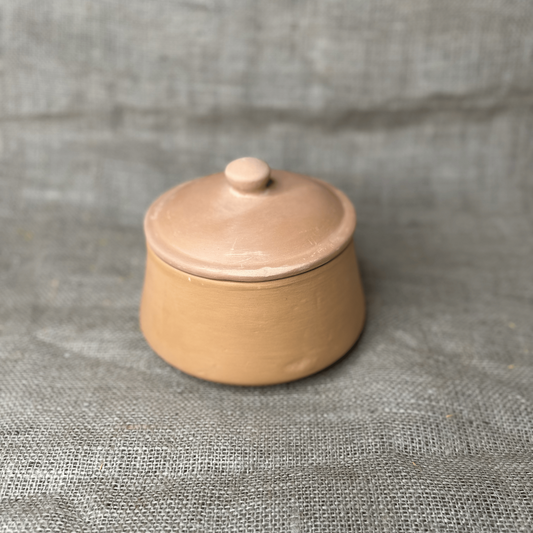
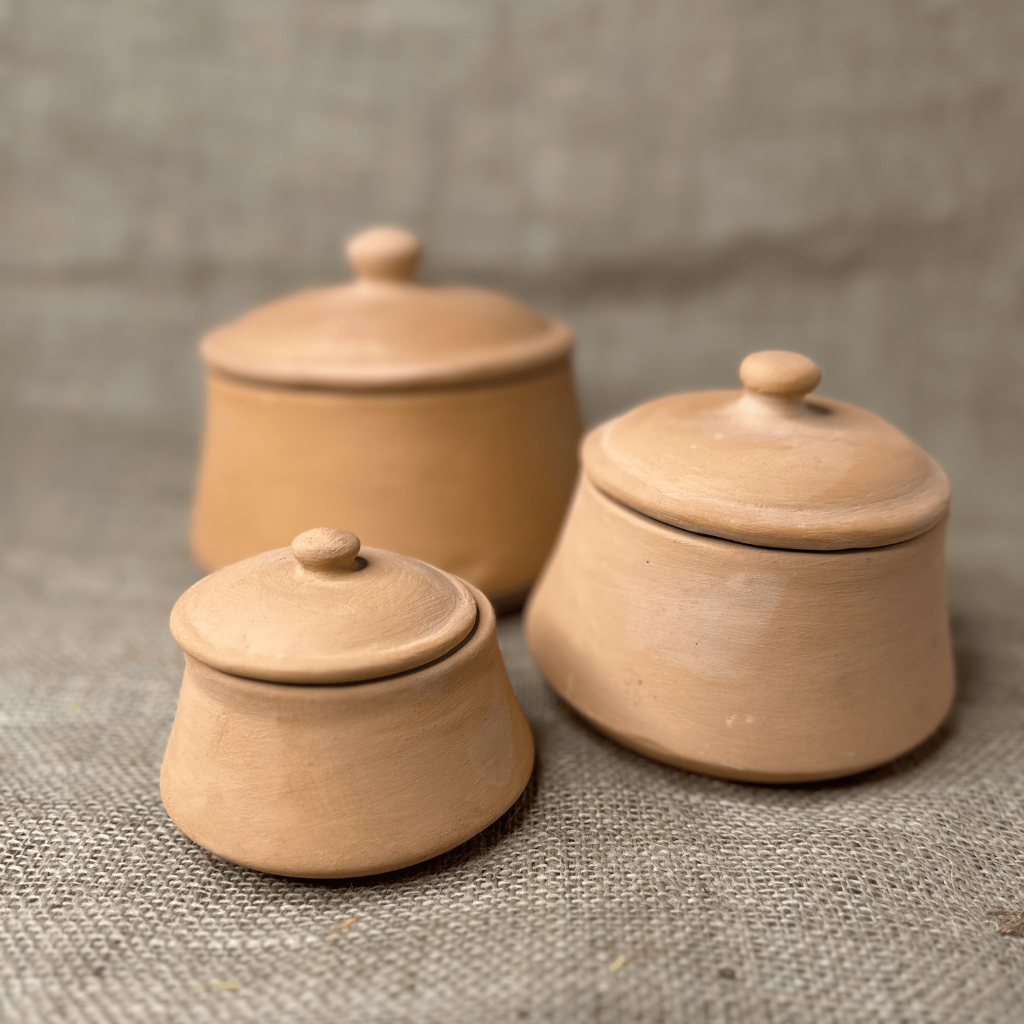
A filler slab mud pot is a terracotta (clay) unit embedded in the tension zone of an RCC roof, where concrete does little structural work. It replaces that dead concrete, reducing weight, cost and material waste.
Which is better, a 4-inch or 12-inch filler slab pot?
Neither is better in every case. A 4-inch pot suits thin slabs over short spans, and a 12-inch pot suits deep slabs over large spans. The right choice depends on your roof's thickness and structural design.
Which filler slab pot size is best for cooling?
The 12-inch pot, because its larger air cavity provides a stronger thermal barrier. The 4-inch pot still improves comfort compared to a solid concrete roof.
Can I use a 12-inch pot in a thin slab?
No. A pot deeper than the slab allows compromises the concrete cover that protects the steel reinforcement, so pot height must match roof thickness.
Does a filler slab reduce construction cost?
Yes. By replacing heavy concrete with lightweight clay units, a filler slab reduces the cement used. Larger pots displace more concrete and save more, provided the structural design supports them.
Who should decide the pot size?
A qualified structural engineer, based on your span, load and thermal requirements.
Conclusion
There is no universal answer when choosing the dimension for your eco-friendly roof. The 4-inch and 12-inch options each serve a specific role in sustainable architecture. By assessing your building's structural span, load requirements and thermal goals, you can make the right choice. The right terracotta filler slab gives your home resource efficiency, aesthetic beauty and many decades of reliable structural strength.
Related post
28
Sep
28
Sep

31
Aug
RECENT POSTS