Clay Filler Pots: A Unique Exposed Ceiling Look
How Clay Filler Pots Can Create a Unique Exposed Ceiling Look
Quick answer: A filler slab replaces structurally inactive concrete in a roof's tension zone with lightweight clay pots. Because the pots are left visible from below, the ceiling shows a geometric grid of grey concrete ribs and warm reddish-brown terracotta. It removes the need for plaster or false ceilings, helps lower indoor temperatures and reduces material waste.
Why Use a Filler Slab for Ceiling Design?
Modern sustainable architecture is experiencing a massive aesthetic transformation. For decades, builders concealed concrete frameworks behind chemical plaster and synthetic false ceilings. Today, homeowners are shifting toward design philosophies that celebrate the natural beauty of raw materials.
A filler slab has emerged as a revolutionary design technique for conscious homeowners. By replacing structurally inactive concrete in a roof's tension zone with lightweight clay pots, architects greatly reduce material waste. This method also leaves the clay completely visible from below, transforming a boring overhead structure into a visual feature and blending function and art.
How Do Exposed Clay Pots Create an Authentic Look?
For a long time, residential interiors have been dominated by sterile, heavily processed finishes. As global awareness of sustainable living grows, there is a renewed appreciation for handcrafted elements that connect indoor spaces to the natural world.
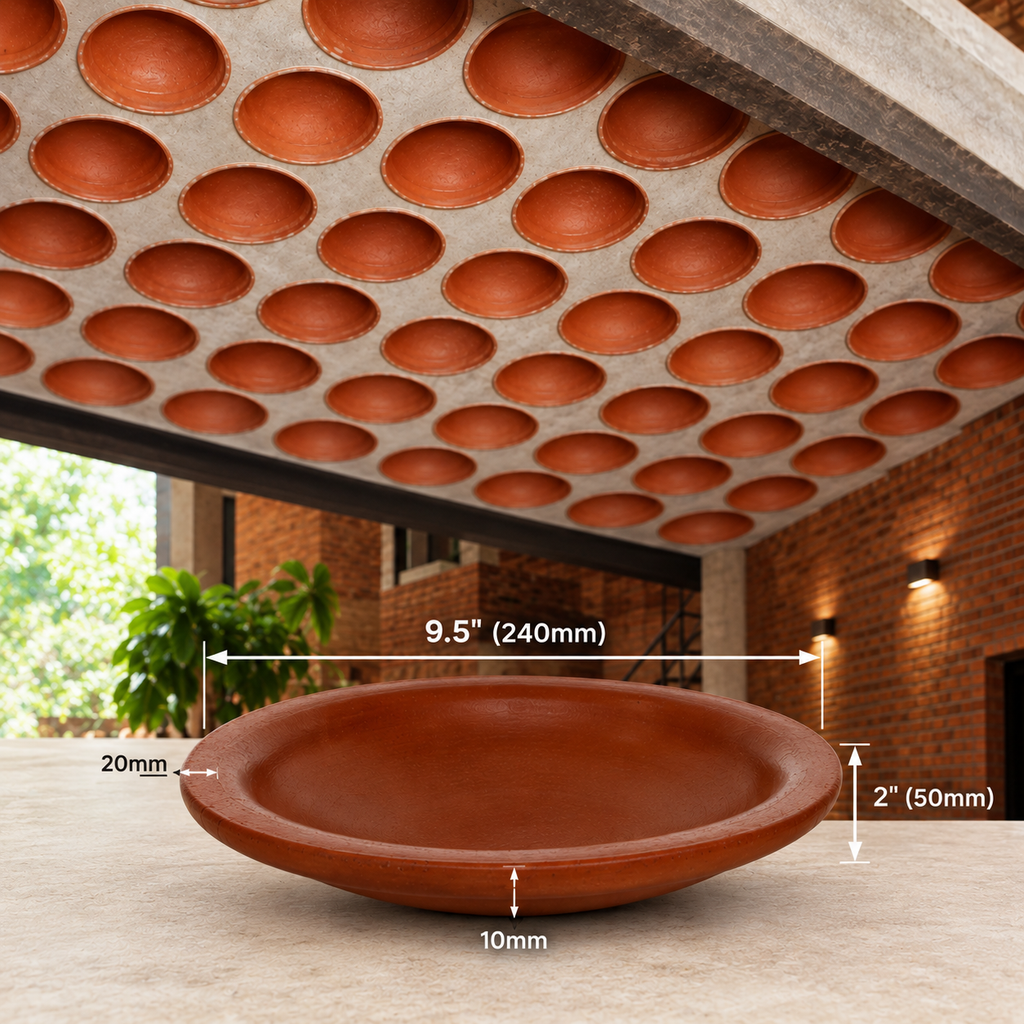
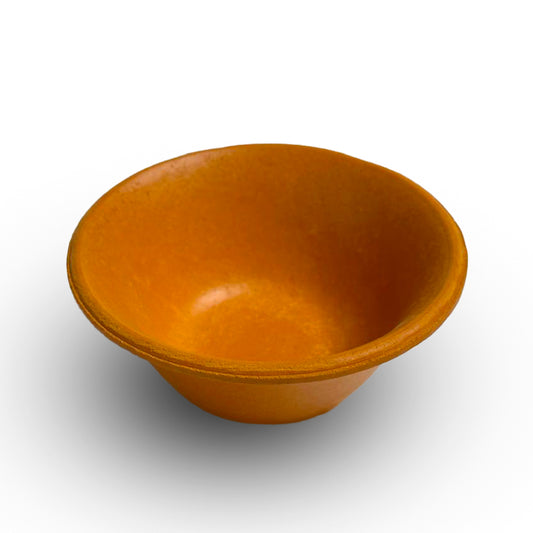
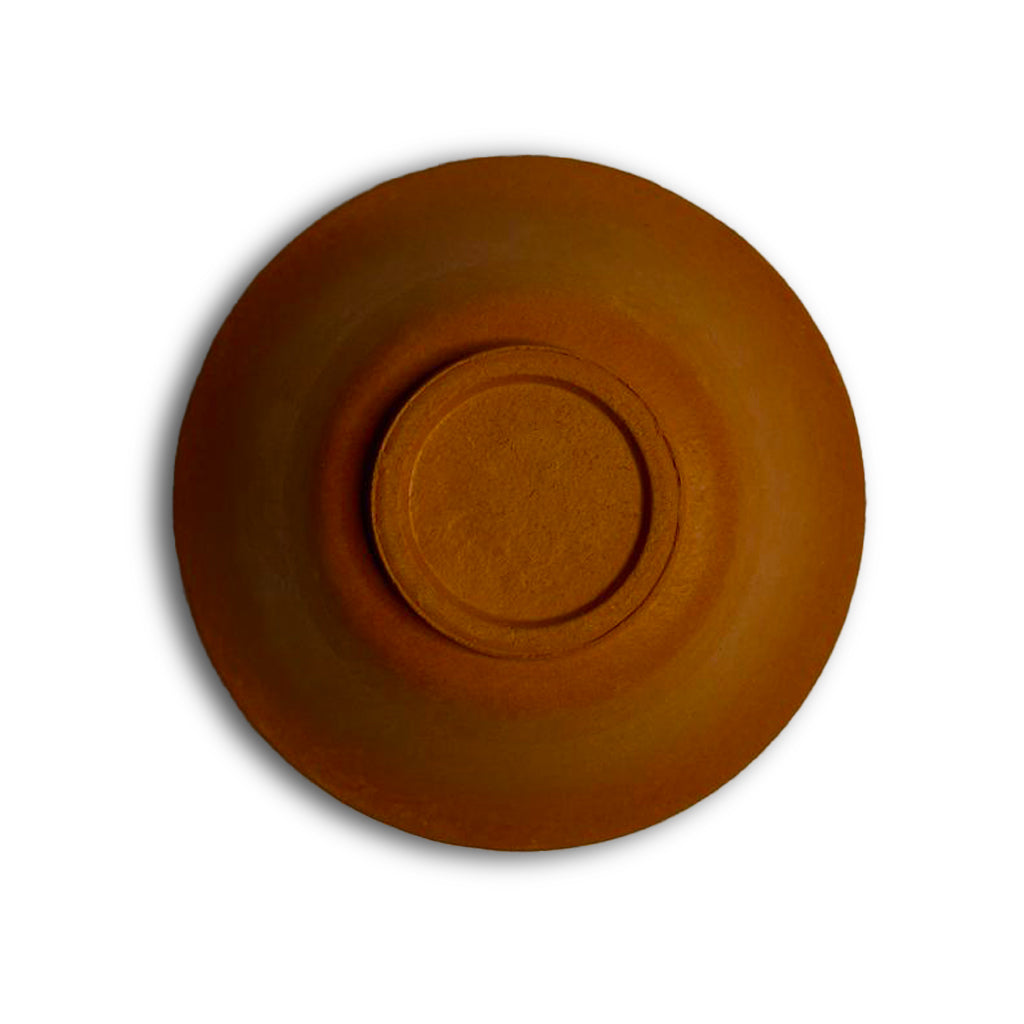
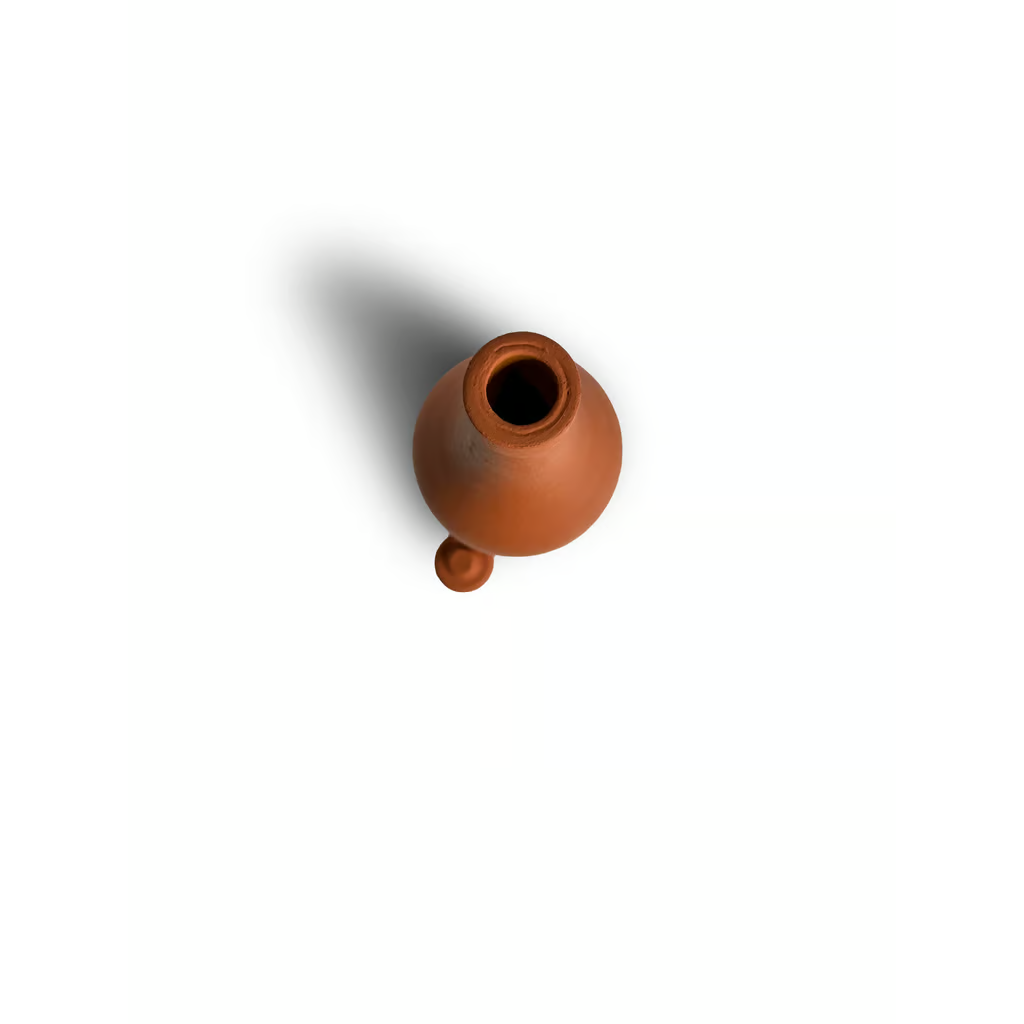
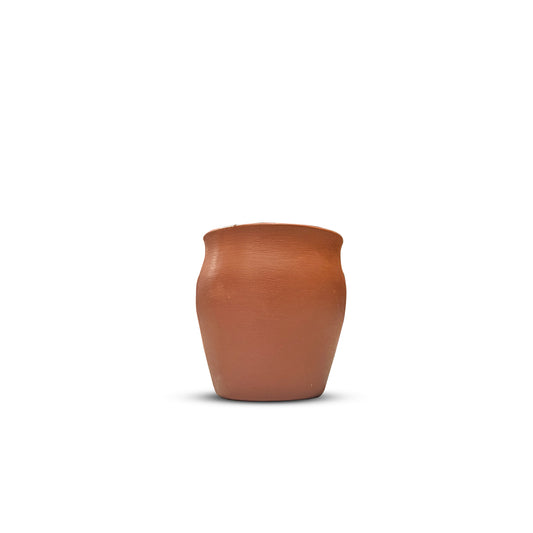
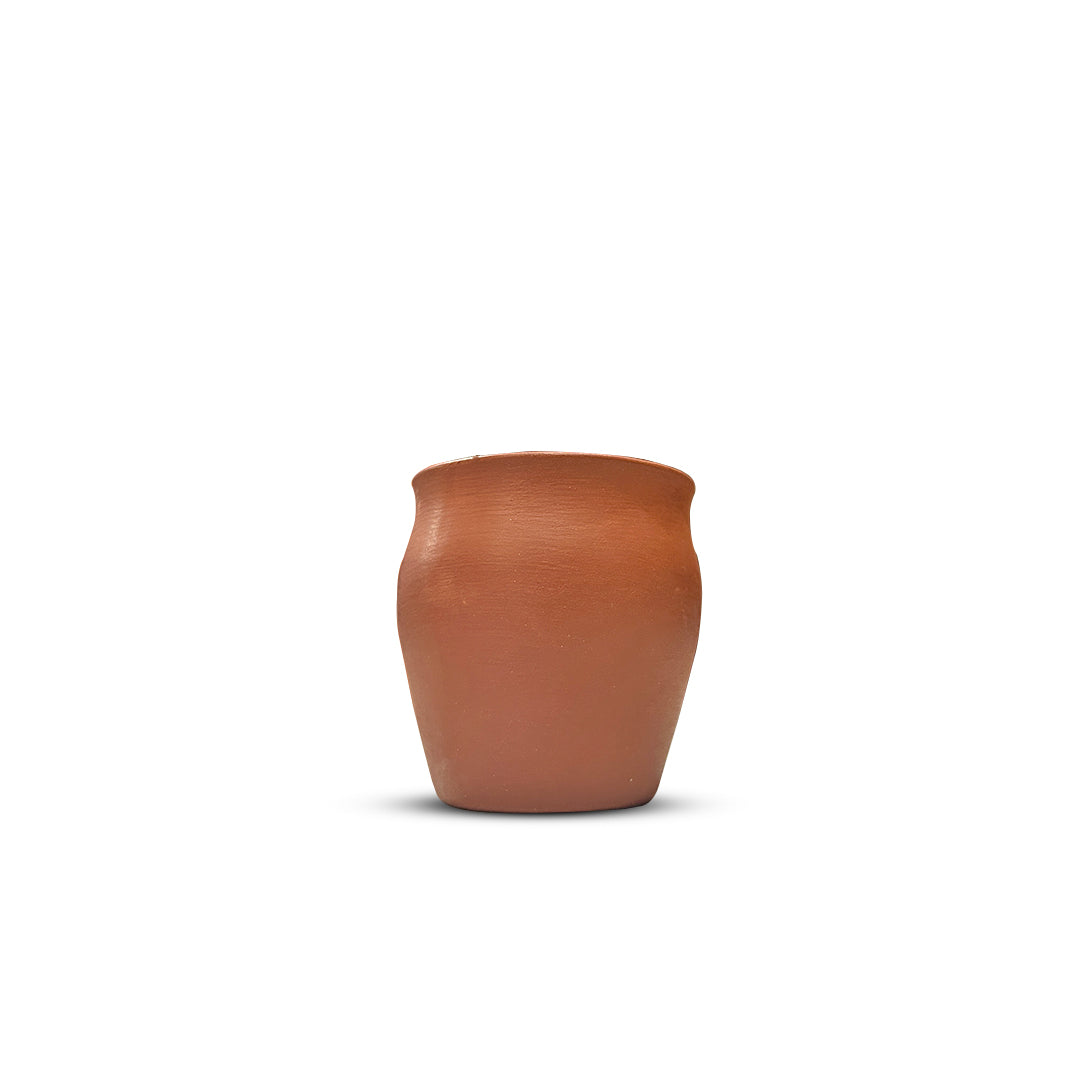
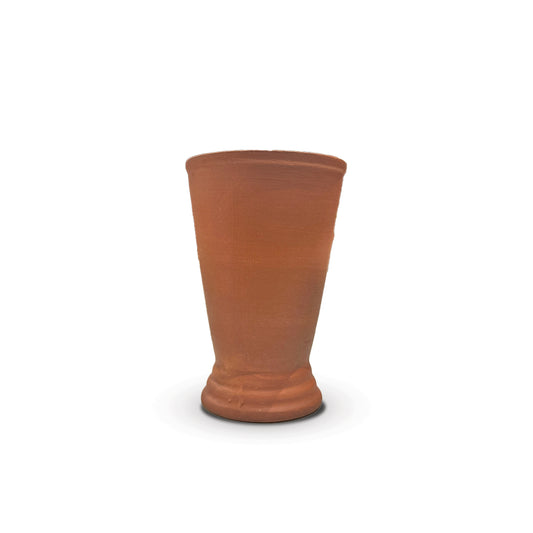
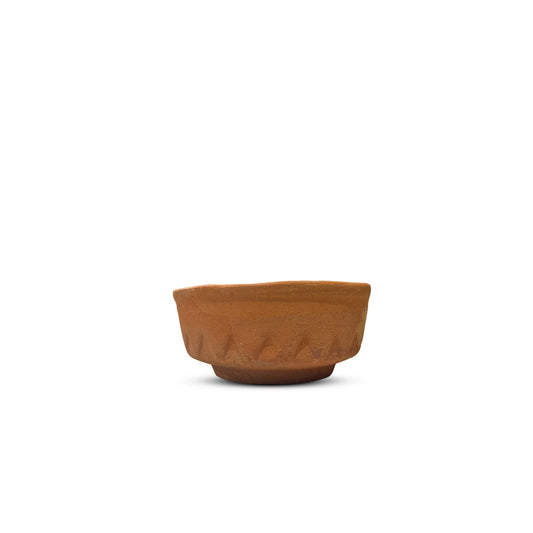
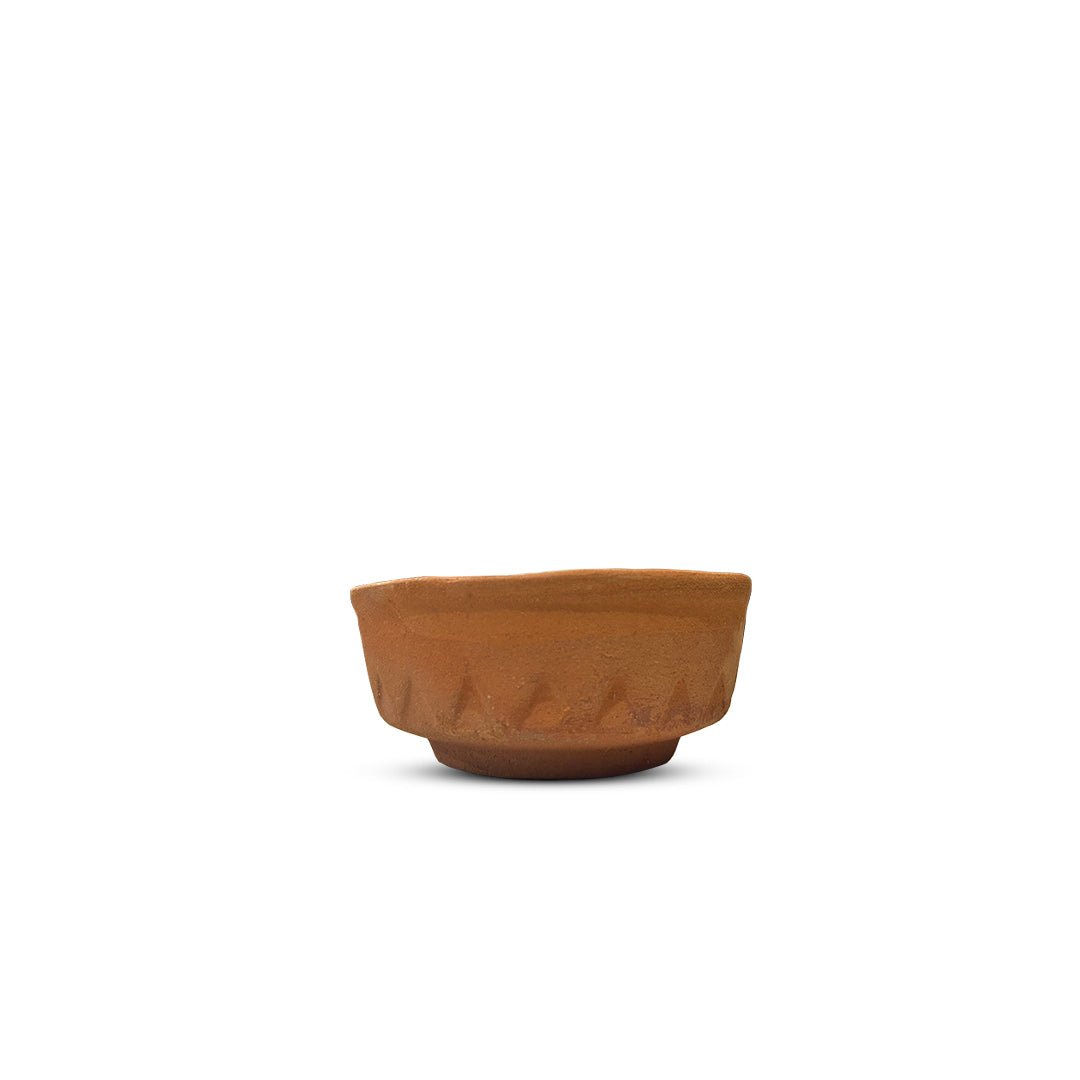
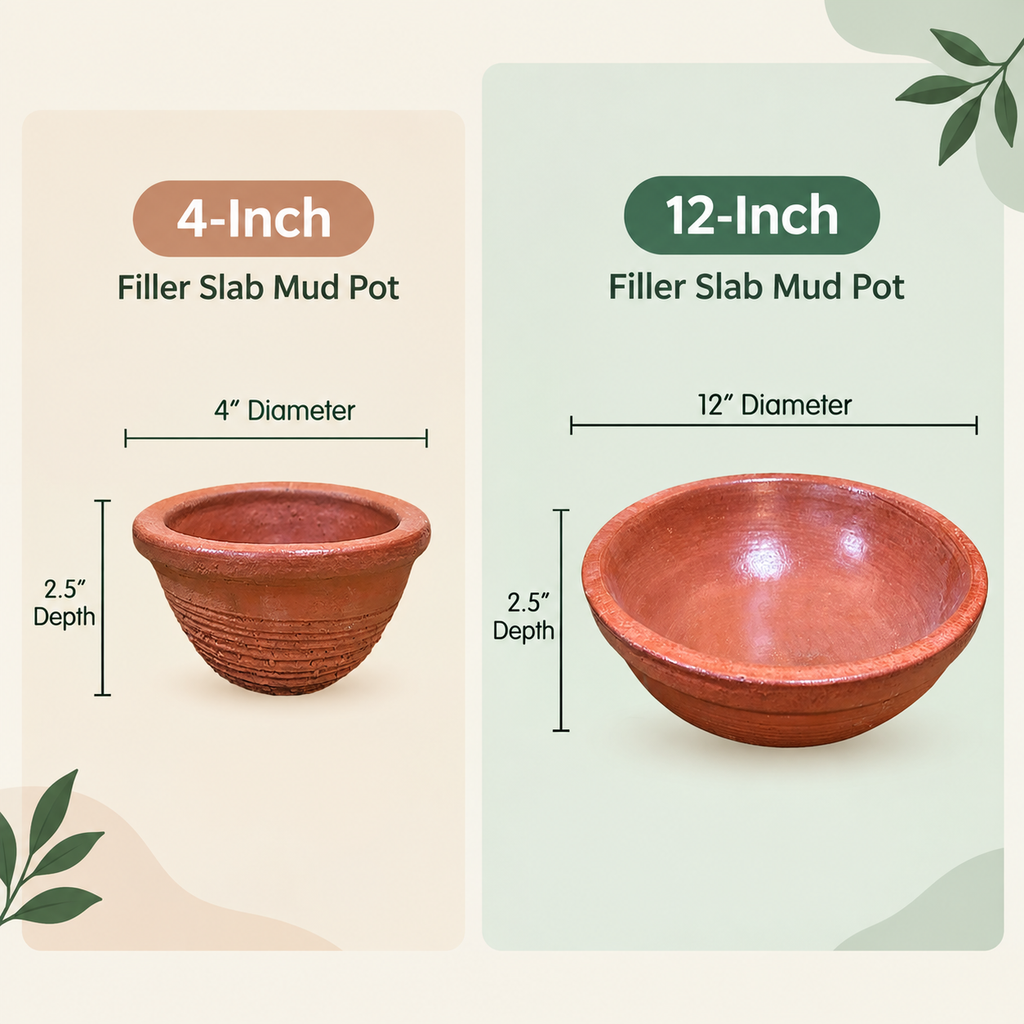
When builders embed a filler slab mud pot into the wet concrete, they are not just displacing dead weight. They establish the foundational texture for the entire room. Once the concrete has cured and the centering framework is removed, the exposed fired clay pots reveal a warm, earthy architectural character. This adds a sense of timeless heritage and authenticity that synthetic ceiling boards cannot replicate.
How Is an Exposed Filler Slab Ceiling Built?
Creating a visually compelling overhead space requires careful planning. The visual appeal of a terracotta filler slab relies heavily on the geometric precision of the structural reinforcement grid.
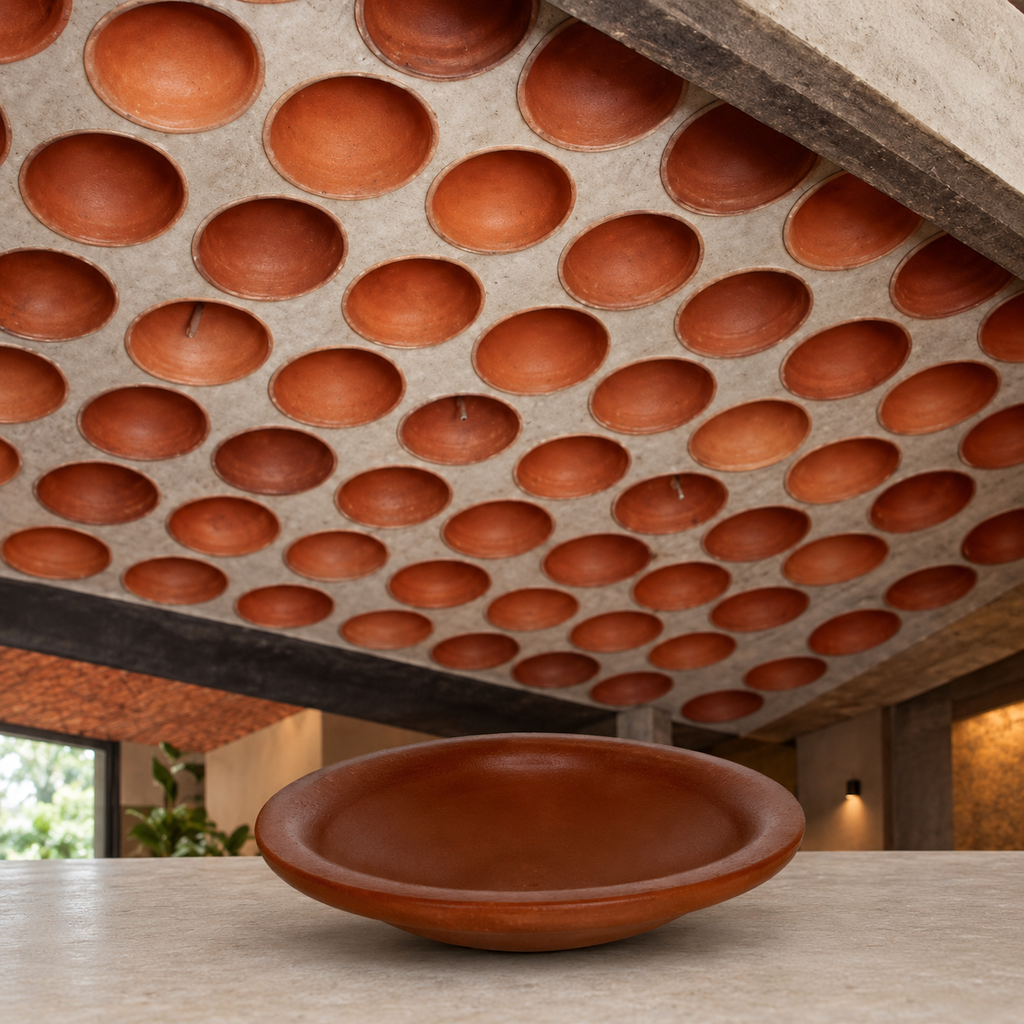
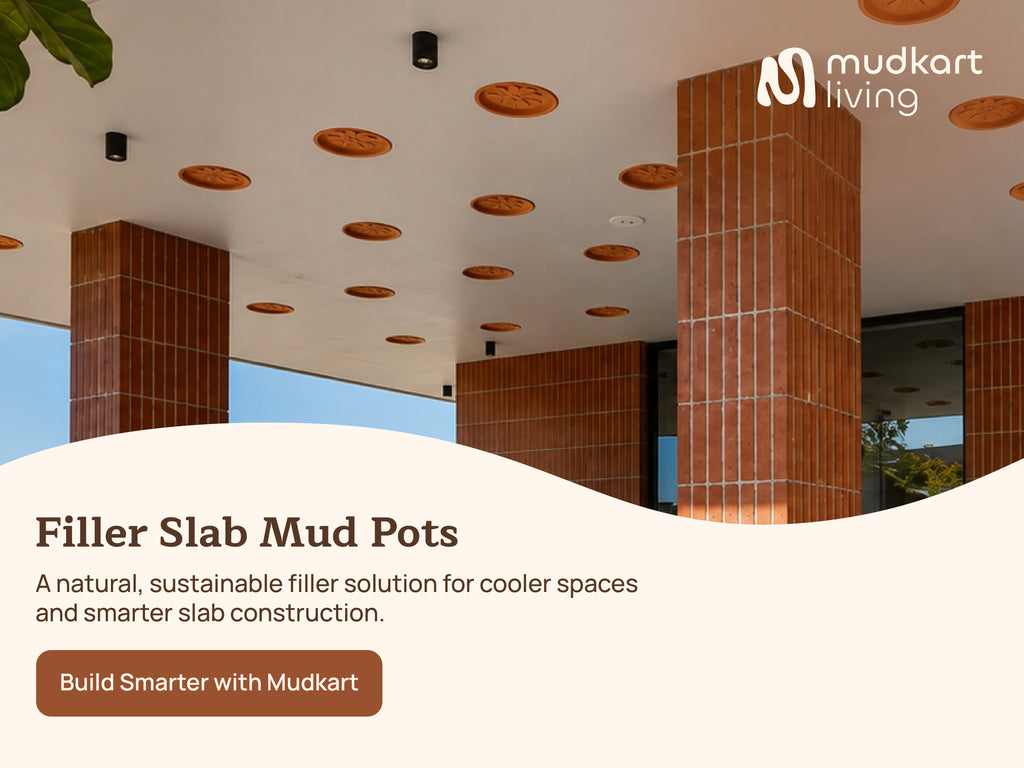
During installation, structural engineers arrange the clay units in specific, evenly spaced patterns between the steel bars. When concrete is poured, it creates sturdy structural ribs that frame each individual filler slab mud pot. The resulting ceiling displays a rhythmic, grid-like pattern of alternating cool grey concrete and warm, reddish-brown clay. This repetitive visual cadence draws the eye upward, making standard residential rooms feel taller, more dynamic and more interesting.
Does an Exposed Filler Slab Also Cool the Home?
Yes. The true strength of this sustainable roofing technique is that aesthetics and engineering performance go together. While you admire the intricate pattern of your terracotta filler slab, those same clay units are actively working to protect your home.
Because the clay units trap a substantial volume of air within their hollow cavities, they act as an effective thermal barrier against the harsh outside sun. Using a filler slab for ceiling construction in tropical climates naturally lowers indoor temperatures, reducing dependence on expensive air conditioning systems. The warm, earthy aesthetic reflects the environmental efficiency happening within the roof structure. You are looking at the mechanism that is cooling your sustainable house.
What Interior Styles Suit an Exposed Filler Slab Roof?
One of the greatest advantages of an exposed filler slab roof is its versatility in interior design. Because terracotta is a natural material, its rich, organic color palette complements a wide variety of modern architectural styles.
- Rustic or heritage design: The visible clay pairs with exposed brick walls, natural stone flooring and solid timber furniture.
- Minimalist or contemporary design: The geometric grid of a filler slab mud pot provides a textural contrast against smooth white walls and modern glass fixtures.
By highlighting this sustainable ceiling, designers add warmth and character to any cold, industrial or sterile environment.
Also Read About: Filler Slab Ceiling Design Ideas for Sustainable Homes
Frequently Asked Questions
Q1. What is an exposed filler slab ceiling?
It is a roof in which lightweight clay pots replace structurally inactive concrete in the tension zone, and the bottom face of the pots is left visible instead of being covered by plaster or a false ceiling.
Q2. How does an exposed filler slab ceiling look?
It shows a rhythmic grid of cool grey concrete ribs alternating with warm, reddish-brown clay pots.
Q3. Does a filler slab keep the house cooler?
Yes. The air trapped inside the hollow clay units acts as a thermal barrier against the outside sun, which lowers indoor temperatures in tropical climates and reduces reliance on air conditioning.
Q4. Do I need a false ceiling with a filler slab?
No. The exposed clay and concrete grid is the finished ceiling, so wasteful false ceilings are not needed.
Q5. What interior styles suit a filler slab ceiling?
Rustic and heritage interiors, as well as minimalist and contemporary spaces, because the natural terracotta palette works with a wide variety of styles.
Conclusion
Embracing sustainable architecture no longer means sacrificing beautiful interior design. By eliminating unnecessary concrete and embracing the natural elegance of traditional fired clay, architects are redefining how we view our overhead spaces.
Whether building a cozy eco-friendly cottage or a vast commercial pavilion, a filler slab for ceiling architecture is a strong aesthetic choice. It eliminates the need for wasteful false ceilings while lowering costs and boosting thermal efficiency. A high-quality terracotta filler slab ensures your roof does much more than protect you from the weather; it is a daily reminder of your commitment to preserving the environment for future generations. Choosing a reliable filler slab also ensures decades of structural integrity and aesthetic charm.
Related post
28
Sep
28
Sep
31
Aug
RECENT POSTS