Tropical Houseplants You Should Never Put in Mud Pots
Tropical Warning: Which Houseplants You Should Never Put in a Standard Mud Pot
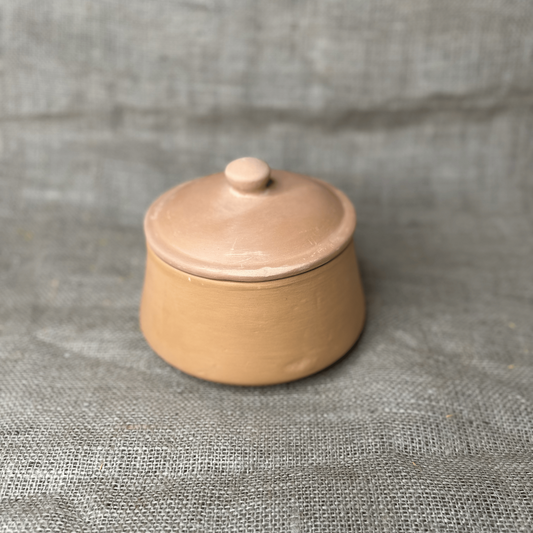
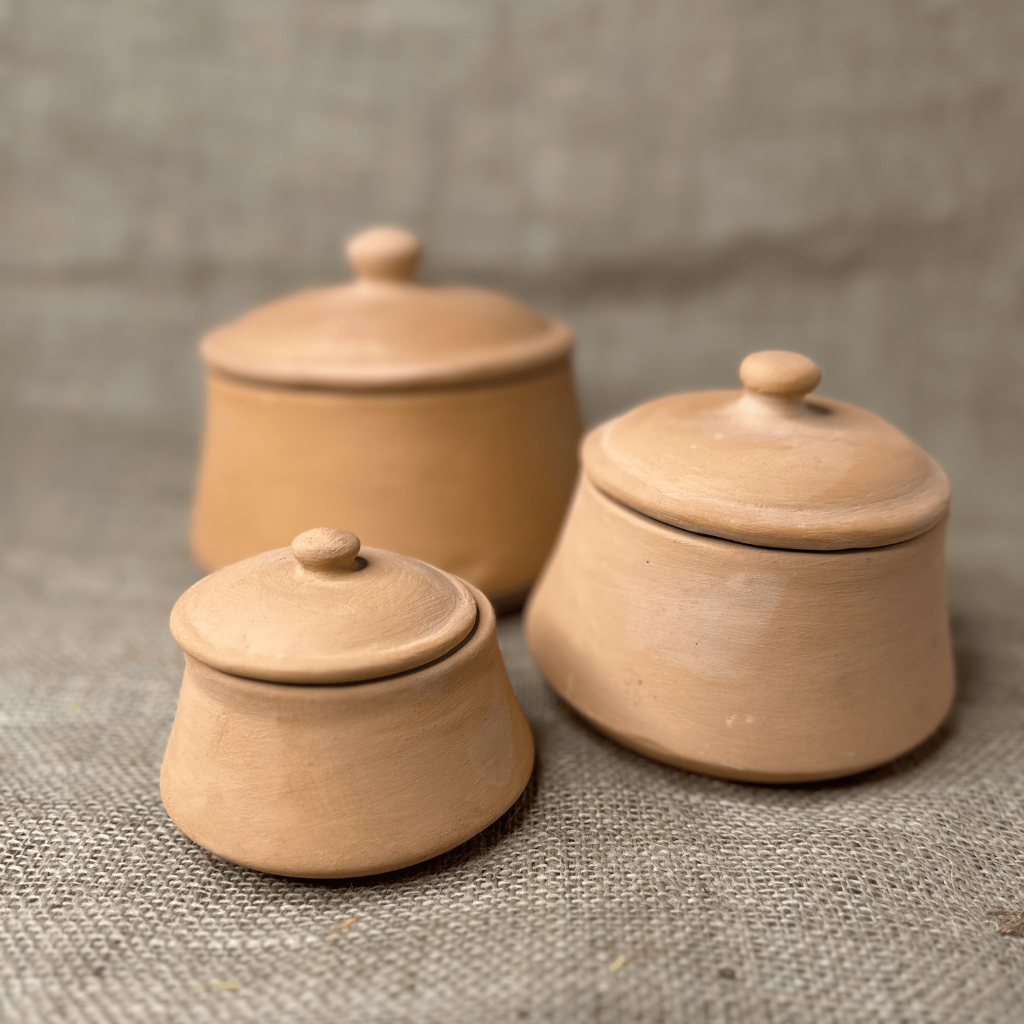
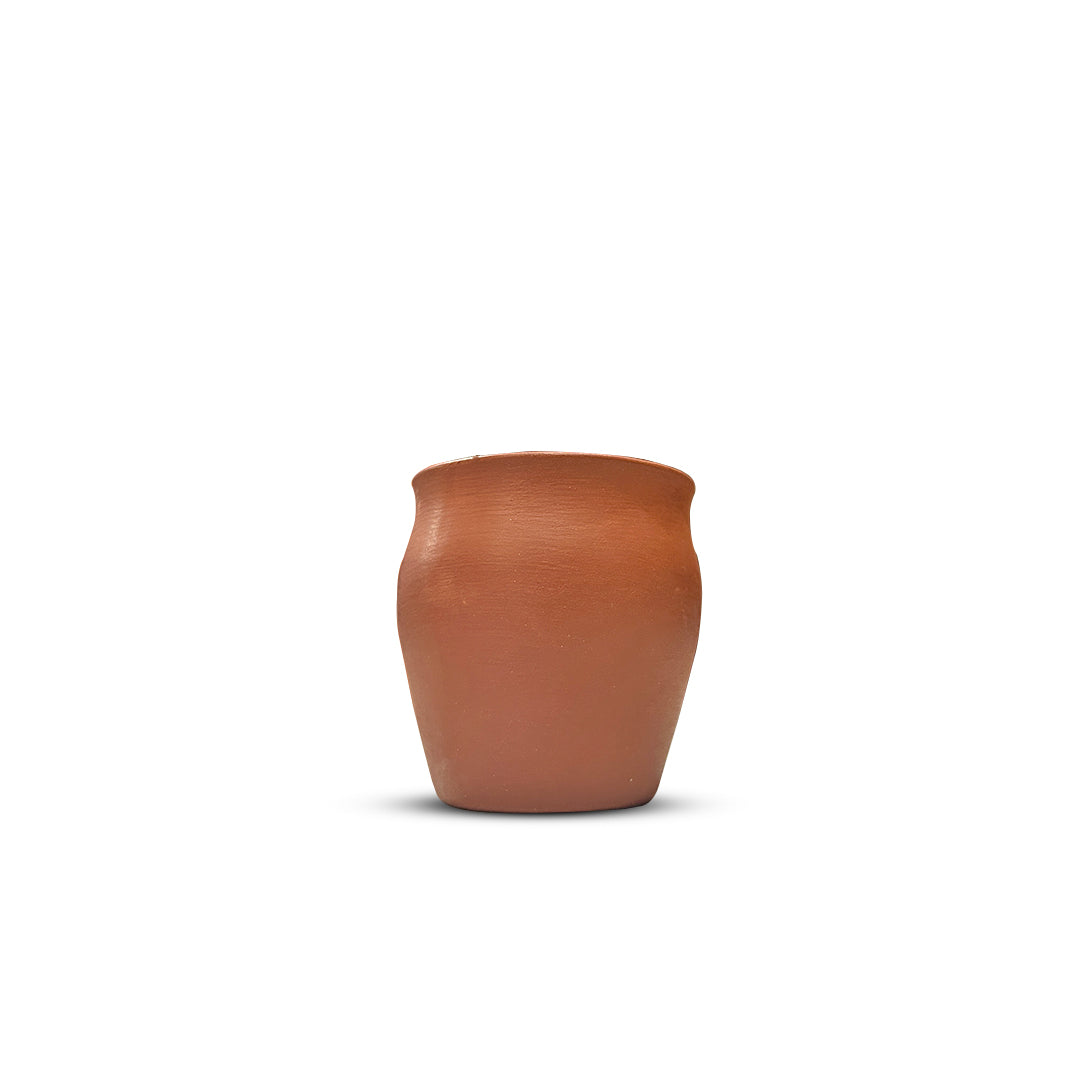
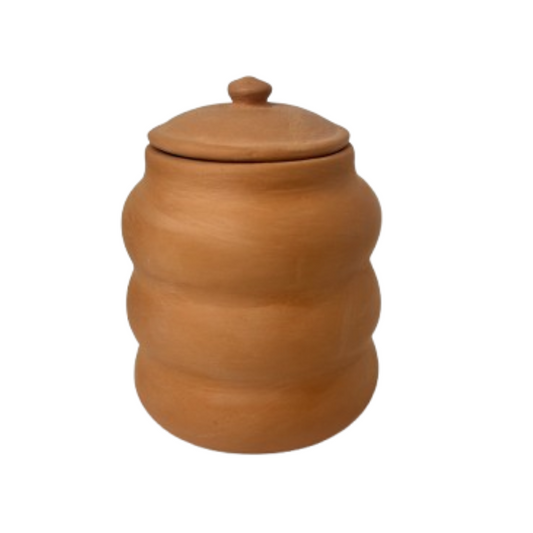
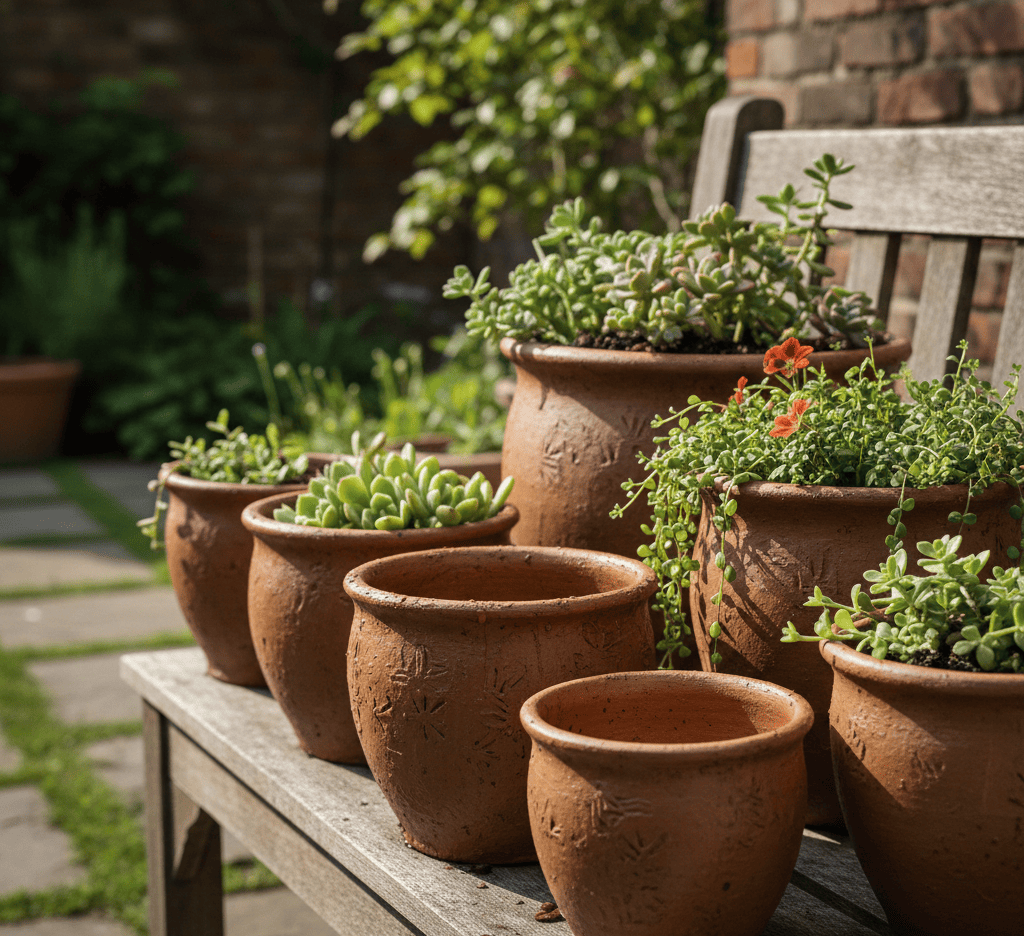
There’s something beautifully comforting about seeing a green, thriving plant sitting inside a humble terracotta pot. For many of us, this sight instantly takes us back to our grandparents’ verandahs. Rows of tulsi, money plants, and hibiscus in sun-kissed mud pots, glowing like they belonged there. Today, as urban homes rediscover natural materials, mud pots for plants are once again becoming the silent heroes of balconies and indoor corners.
But here’s a lesser-known truth: not every plant is meant for a mud pot.
Yes, clay is breathable, natural, cooling, and plant-friendly. But certain tropical houseplants simply cannot tolerate the rapid moisture loss that happens in porous mud pots.
So before you lovingly repot your newest green baby into terracotta, here’s a complete guide on which tropical houseplants to avoid, why it matters, and how to make the best choices for your plant family.
1. Why Mud Pots for Plants Work So Well, But Not for Everything
Mud pots have been used for centuries in Indian homes because they behave just like our mitti ; earthy and breathable. They allow natural evaporation, reduce heat, and keep roots healthy. This is perfect for plants that dislike wet feet, such as succulents, herbs, and most flowering plants.
But tropical houseplants?
Their roots evolved in humid, moisture-rich forest floors, where soil stayed consistently damp. Mud pots pull out water faster than plastic or ceramic, making them too dry for tropical species.
Bottom Line : Plants that love humidity rarely enjoy the quick-drying nature of clay.
Let’s look at the main ones to avoid.
2. Peace Lily, The Drama Queen of Moisture
Peace Lilies – Spathiphyllum are adored for their elegant white blooms and air-purifying magic. But they are extremely sensitive to drying out. In a mud pot, soil loses moisture so quickly that your Peace Lily may droop every other day.
Why they don’t like mud pots:
-
They need evenly moist soil.
-
Their roots dry out fast in porous clay.
-
Frequent watering stresses the plant and increases salt accumulation.
Better alternative: Ceramic or self-watering planters.
3. Fiddle Leaf Fig, The Moisture-Loving Diva
Fiddle Leaf Figs look stunning in modern Indian living rooms, but they come from humid tropical forests of West Africa. They like moisture but hate sudden dryness.
Why avoid mud pots:
-
Clay wicks moisture away too rapidly.
-
These plants require stable hydration.
-
Dry soil increases leaf drop, browning, and stunted growth.
If your fiddle leaf is already moody, a mud pot may push it over the edge.
4. Areca Palm & Other Indoor Palms
Palms love humidity and deep moist soil, just like their native tropical habitat.
Clay pots cause:
-
Drying of lower roots
-
Crispy leaf tips
-
Browning fronds
-
Slow growth
Indoor palms prefer:
Non-porous containers that retain moisture for longer.
5. Calatheas, Too Sensitive for Mud Pots
Calatheas are the beauty queens of the indoor plant world, with leaves that look hand-painted. But they are extremely sensitive to moisture, humidity, and mineral buildup.
Why mud pots are a big no:
-
Too much evaporation leads to dry soil.
-
Calatheas hate fluctuating moisture levels.
-
Clay can accumulate hard-water salts, burning delicate roots.
This is one plant you never want to stress.
6. Anthuriums, Tropical Roots Need Tropical Moisture
Anthuriums come from rainforests where they grow on mossy, moist organic matter. In terracotta pots, the soil dries too quickly and the roots develop stress symptoms.
Problems in mud pots:
-
Browning leaf edges
-
Dehydrated roots
-
Poor flowering
-
Curling leaves
They thrive in plastic, ceramic, or mossy media.
7. Ferns, The Moisture-Addicted Babies
Boston ferns, maidenhair ferns, asparagus ferns, these delicate species need consistently damp soil and high humidity.
In mud pots:
They dry out in nearly half the time compared to non-porous containers.
Unless you're ready to water daily, ferns simply won’t stay happy in mud pots for long.
8. Plants That Love Mud Pots
It’s not all bad news! Mud pots remain one of the best natural homes for many Indian-friendly plants:
-
Tulsi
-
Money plant
-
Jade
-
Succulents
-
Snake plant
-
Hibiscus
-
Aloe vera
-
Curry leaves
-
Most herbs
-
Geraniums & marigolds
These plants love airflow, don’t demand constant moisture, and thrive in porous clay.
A Little Lifestyle Reflection
There’s a reason our elders instinctively chose mitti ke gamle for certain plants. They observed nature closely,knowing which plants loved the cool embrace of clay and which ones needed a little extra pampering.
As modern plant parents, rediscovering this understanding brings a wonderful blend of science and nostalgia into our homes. When you choose the right pot for the right plant, you’re not just gardening, you’re honouring generations of green wisdom.
The Right Plants Deserve the Right Mud Pots for Plants
Mud pots for plants are beautiful, sustainable, Indian, and incredibly plant-friendly,but only when matched correctly. Tropical, moisture-loving houseplants simply need more water retention and therefore struggle in terracotta.
Choosing the right container isn’t about design, it’s about giving your plant a home where it can thrive naturally.
So the rule is simple:
If a plant loves damp soil and humidity, avoid mud pots.
If it likes airflow and hates soggy roots, mud pots are its perfect match.
Ready to bring home the goodness of clay? Explore Mudkart’s handcrafted range here: https://mudkart.com/
Related post
28
Sep
28
Sep
31
Aug
RECENT POSTS