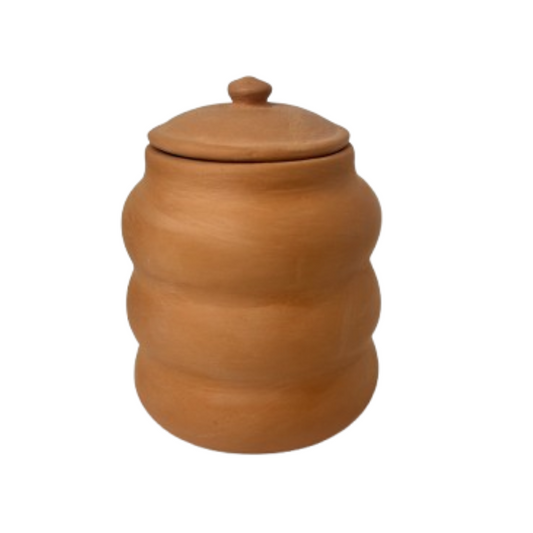
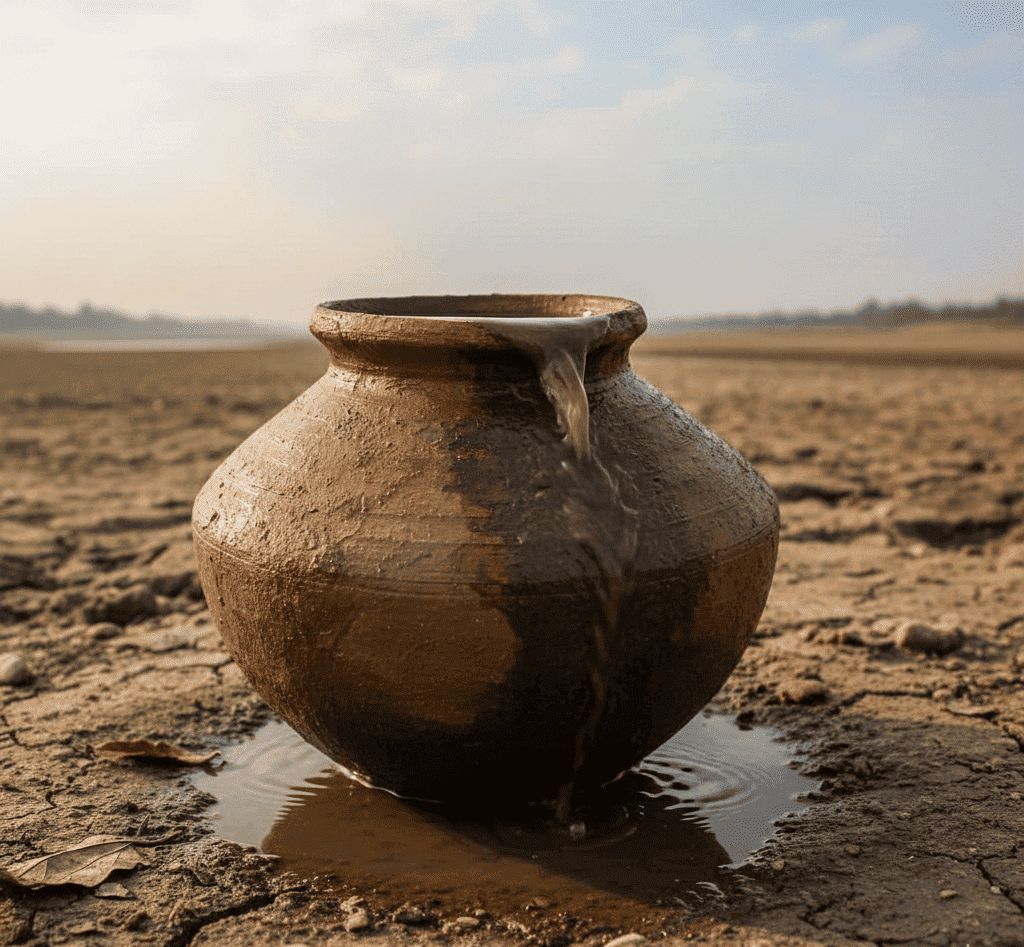
Essential Minerals: Getting Trace Nutrients from Your Mud Water Pot
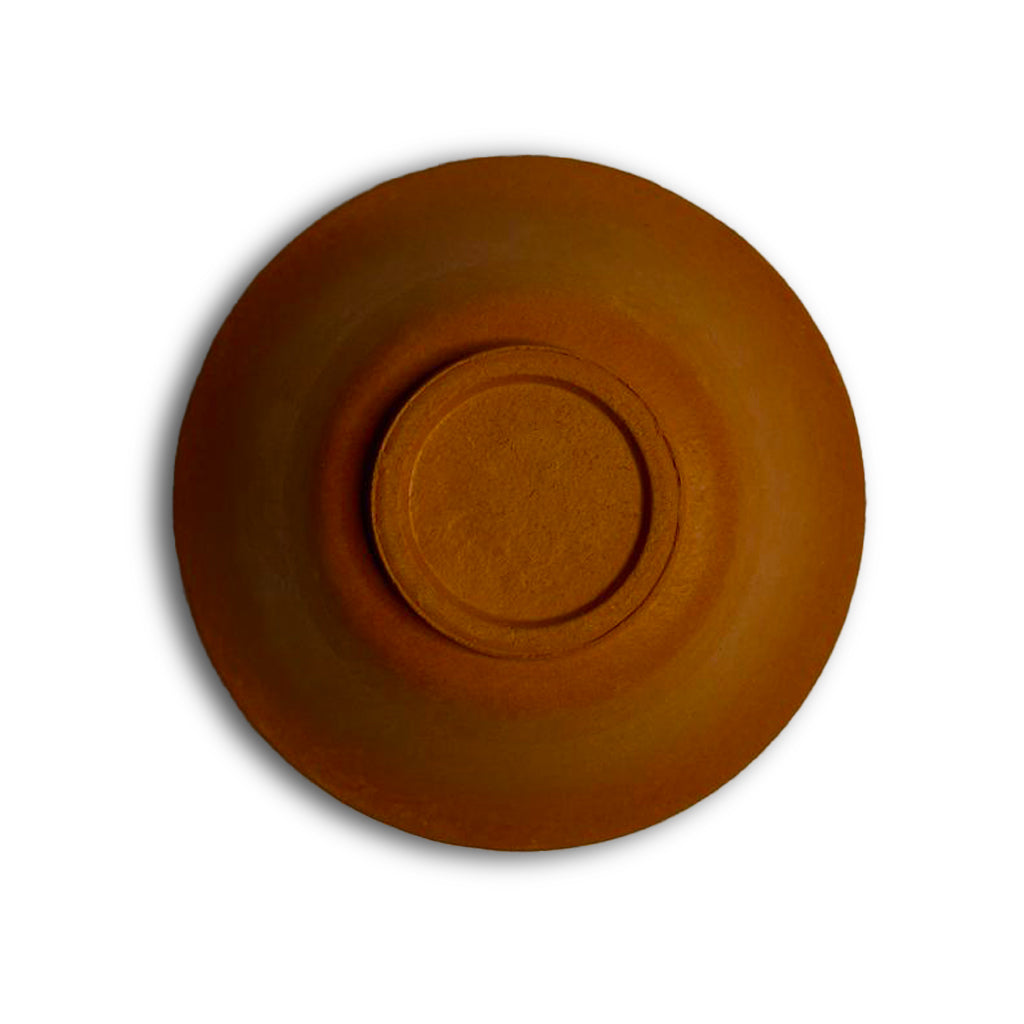
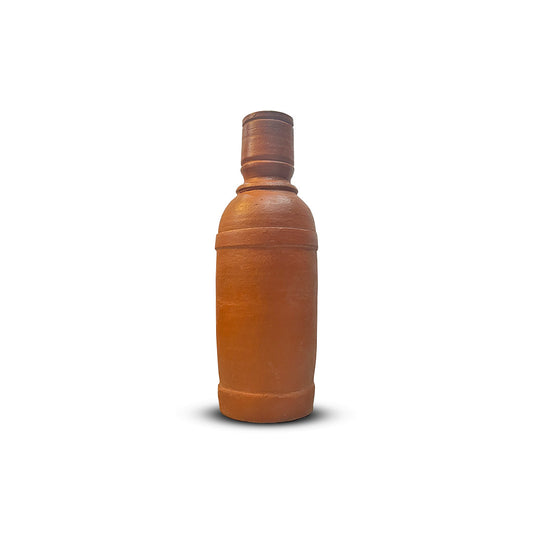
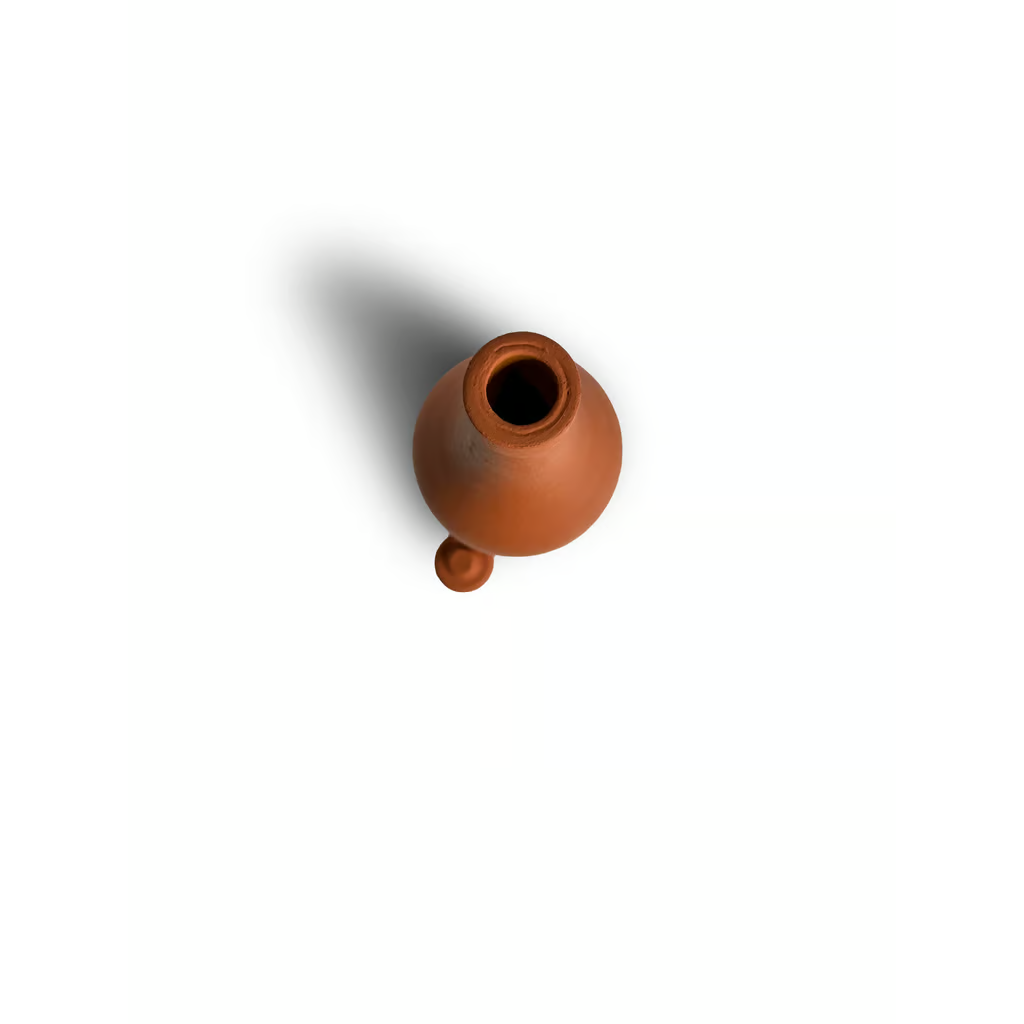
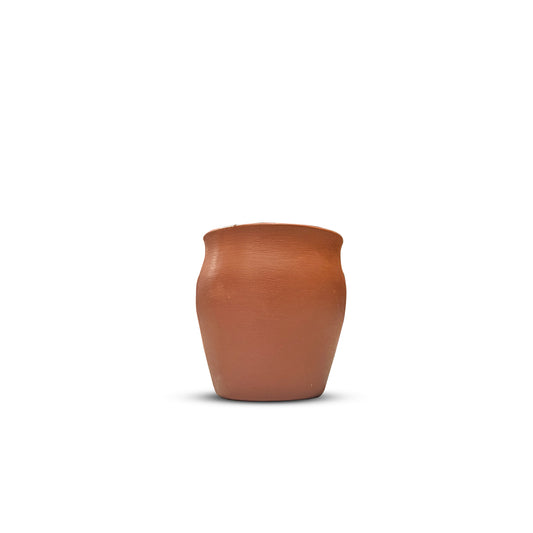
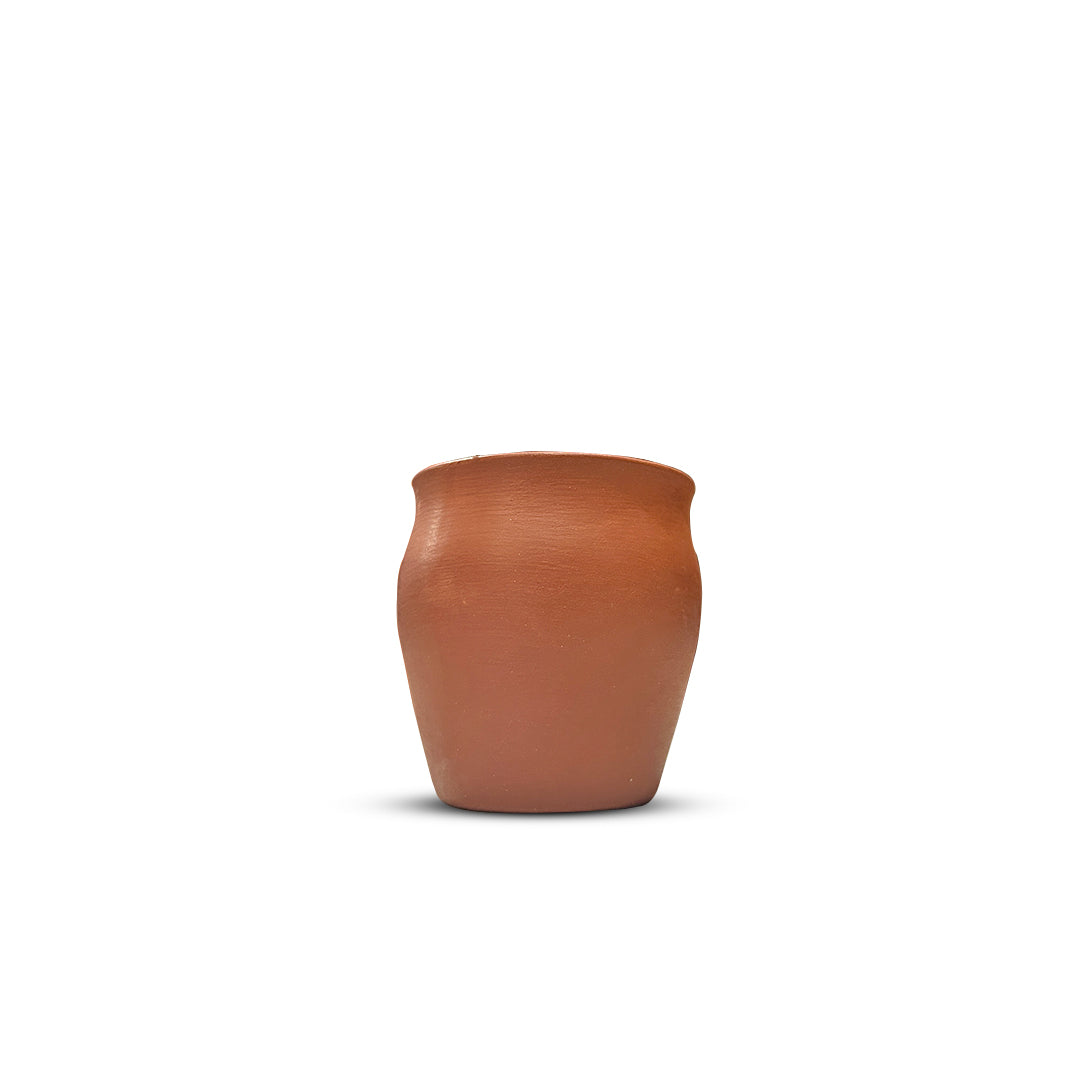
There’s a special comfort in sipping cool water from a traditional clay vessel. The earthy aroma, the naturally chilled temperature, and the nostalgia it evokes take many of us back to long summer afternoons of childhood. Long before electric dispensers and water purifiers became common, Indian homes relied on the Mud Water Pot to keep drinking water fresh and cool.
As interest in natural living and traditional wellness grows, a familiar question returns:
Does clay-stored water really provide essential minerals?
Let’s explore what science, tradition, and everyday observation reveal.
1. How Clay Pots Interact With Water
Terracotta is naturally porous. When water is stored in a clay pot, microscopic pores allow slow evaporation, which cools the water naturally. Alongside this cooling process, there is a gentle clay–water interaction that allows trace minerals present in the clay to dissolve into the water.
This isn’t supplementation in the modern sense, but rather a subtle mineral balancing similar to the way spring water absorbs characteristics from the earth it flows through.
2. Which Trace Minerals May Enter the Water?
The mineral profile depends on the source of the clay, but traditionally crafted clay pots may release small quantities of:
-
Calcium – Supports bone strength, nerve signaling, and muscle function
-
Magnesium – Important for energy production, heart rhythm, and muscle relaxation
-
Iron – Contributes to hemoglobin formation and overall vitality
-
Silica – Known for supporting skin, hair, and connective tissue health
These minerals appear only in trace amounts enough to gently enhance water quality without affecting taste or safety.
3. Why Does Matka Water Taste Better?
Many people describe water stored in clay as “sweet” or “alive.” There are two likely explanations:
-
Mild alkalinity: Purified or RO water can be slightly acidic. Storage in a Mud Water Pot often nudges the pH closer to neutral, making it gentler on digestion.
-
Mineral softening: Even minute mineral presence can enhance flavor, similar to natural spring water.
This is why elders traditionally preferred matka water for digestion and daily hydration.
4. Natural Cooling Preserves Water Quality
Clay pots cool water gradually rather than aggressively, unlike refrigerators. This slow cooling maintains freshness without altering the water’s natural structure or stripping beneficial elements.
The result is water that feels refreshing without the throat-tightening shock of overly cold water.
5. The Quality of the Pot Matters
To ensure safety and benefit, choose a well-made clay pot:
-
Unglazed, natural terracotta
-
No artificial paints or chemical coatings
-
An earthy, natural smell
-
Handmade or artisan-crafted
Poor-quality pots may introduce unwanted elements, while a properly made Mud Water Pot offers only the gentle goodness of natural clay.
6. Does Clay-Stored Water Improve Hydration?
Interestingly, yes. Many people drink more water when they switch to clay storage. Naturally cool, soft-tasting water encourages frequent sipping, leading to better hydration which supports:
-
Kidney function
-
Skin clarity
-
Reduced fatigue
-
Improved temperature regulation
Sometimes, the vessel itself shapes healthier habits.
7. Ideal Storage Duration
For best results:
-
Optimal storage: 6–12 hours
-
Avoid storing water beyond 24 hours
-
Refilling in the evening provides well-balanced water by morning
8. Caring for Your Clay Pot
Proper care ensures hygienic mineral exchange:
-
Season before first use: Soak for 12–24 hours
-
Avoid soap: Clay absorbs detergents
-
Clean gently: Use coconut coir or soft brushes
-
Keep covered: Protects from dust while allowing airflow
With simple care, your pot remains safe and long-lasting.
A Lifestyle Reflection: Returning to Nature
In a fast-paced, gadget-driven world, the clay pot invites us to slow down and reconnect with the earth. Drinking from a Mud Water Pot isn’t only about minerals it’s about experience, mindfulness, and tradition.
So, Does a Clay Pot Supply Essential Minerals?
Yes at light, natural, and beneficial levels that enhance water quality without over-mineralization. The beauty lies in balance.
Water from a clay pot is:
-
Naturally cool
-
Slightly mineral-enriched
-
Gentle on digestion
-
Refreshing and soothing
-
Deeply rooted in Indian tradition
Sometimes, returning to traditional vessels helps rediscover everyday wellness in its simplest form.
Let every sip be a journey back to simplicity.
Explore Mudkart’s natural, handmade clay range:
https://mudkart.com/
Related post
28
Sep
28
Sep

31
Aug
RECENT POSTS