
Thulasi Thara | Tulasi Vrindavan | Mudkart
Thulasi Thara in Hindu Scriptures and Puranas
Explore the sacred roots of Tulasi Vrindavan or Thulasi Thara through Hindu scriptures and Puranas stories of devotion, protection, and why tulasi became the living altar of many homes.
In many courtyards in South India, morning arrives in a familiar sequence. The gate creaks open, the first splash of water sweeps dust into quiet patterns, and a small lamp flickers near a modest pedestal that seems to “belong” to the home as much as the front door does.
Take a few steps closer, and you will find an unmistakable sight. Tulasi, also known as Indian holy basil, stands in the middle of the courtyard with calmness and serenity on a pedestal.
The pedestal has many names across regions, but the two names that are commonly used for the pedestal are Tulasi Vrindavan or Thusali Thara.
The terms mean the altar-like structure that houses the tulasi. Tulasi Thara, a term used in Malayalam-speaking homes, means the platform that makes the plant visible in the centre for worship.
What appears to be a simple domestic tradition comes from the Puranic imagination, where the plant is considered a goddess. Hence, devotion becomes a story, worship becomes a daily act performed, and the Tulasi Vrindavan and Tulasi Thara become a holy place in the house.
The Courtyard Altar that Functions like a Scripture
A Tulasi Vrindavan, often a stone or a platform made of clay, is placed in the courtyard of traditional Hindu homes where tulasi plant is grown and venerated. In Kerala and other parts of South India, the same structure is referred to as Thulasi Thara. It is treated as a sacred domestic shrine instead of a planter.
In Hindu religion, religion is not confined to temples. The homes are often designed as a ritual environment, where sacred time overlaps with ordinary time. The Tulasi vrindavan or Thulasi Thara becomes a daily checkpoint for the overlap. It is watered, greeted with a lamp, and is remembered in prayer.
Where do the Puranas Begin: Tulasi as a Person, not Just a Plant?
The Puranic worldview frequently personifies forces of nature and devotion. The plant is revered as a divine figure, closely associated with Vishnu and his forms. Multiple Puranas contain chapters which glorify Tulasi, presenting her as spiritually potent. The emphasis is on ritual “benefit”, and also devotional relationship, where tulasi is the beloved offering in Vaishnava worship rituals.
This is why, many homes follow offering Tulasi leaves as a custom, which echoes scriptural devotion.
The Story that Shaped the Reverence: Vrinda and Jalandhara
There is a popular legend which explains Tulasi’s sacred story as Vrinda, her devotion, and cosmic conflict around her husband, Jalandhara. Variants of this story appear across texts, such as Skanda Purana, and related stories associated with Shiva Purana tradition.
In broad outline, Vrinda’s unwavering devotion and chastity become the source of Jalandhara’s formidable strength. The conflict escalates into a divine intervention that breaks the conditions protecting him, after which Jalandhara is defeated. The moral weight of the story is not presented as simple triumphalism; rather, it frames Tulasi's sanctity as the result of intense devotion, sacrifice, and transformation turning personal fidelity and spiritual steadfastness into a cosmic principle.
For a household that tends a Thulasi Thara, this legend explains why the plant is treated with so much respect and reverence, it is the memory of devotion which is made botanical.
Tulasi Mahatmya: Why Praise Becomes Practice
Puranic literature often contains sections and passages that explain the spiritual significance of a deity, a place, or a practice. Tulasi is no exception. References to Tulasi’s exalted status sometimes described through lists of spiritual fruits of worship are found in traditions that draw from Purana and Pancaratra discourse.
The Brahma Vaivarta Purana is frequently cited in devotional contexts for its expansive praise of Tulasi and the spiritual value of offering tulasi to Vishnu. While the language in some sections can be lofty, the practical and cultural effect is concrete. It gives households a reason to turn daily care into worship. A Tulasi Vrindavan is a “mahatmya made visible”.
Tulasi Vivah: When Scripture Enters the Calendar
The story of Vrinda or Tulasi also flows into a ritualistic time through Tulasi Vivah, a ceremonial wedding hour of Tulasi (represented by plant) with Vishnu (represented with Shaligram), traditionally observed during the Kartik period. This holy observance is widely associated with Purana-based storytelling, which includes Skanda Purana-linked traditions. It functions as both devotion and seasonal marker in many communities.
In households with Thulasi Thara, the ceremony is not an abstract festival, but something that happened right at the courtyard, dissolving the boundaries between family life and sacred narratives.
Why Does it Still Matter: Modern Homes, Ancient Design Logic?
In modern architecture, courtyards shrink, balconies replace front yards, and worship spaces become compact. Yet the impulse remains: to root the home in a practice that signals purity, continuity, and care.
That is the reason why you still see Thulasi Vrindavan adapted into contemporary homes, minimal planters, compact pedestals, and balcony-friendly altars. The form changes, but the function remains the same.
In the end, the most compelling detail about the Tulasi Vrindavan and Thulasi Thara is this: they are not only “about” scripture. They behave like scripture quietly instructing, day after day, that devotion is not a dramatic event but a repeated act. A little water, a small lamp, a brief pause enough to turn a courtyard into a chapter of the Puranas.
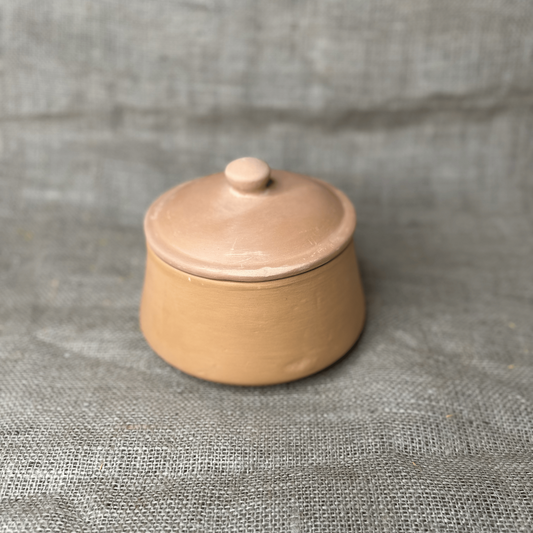
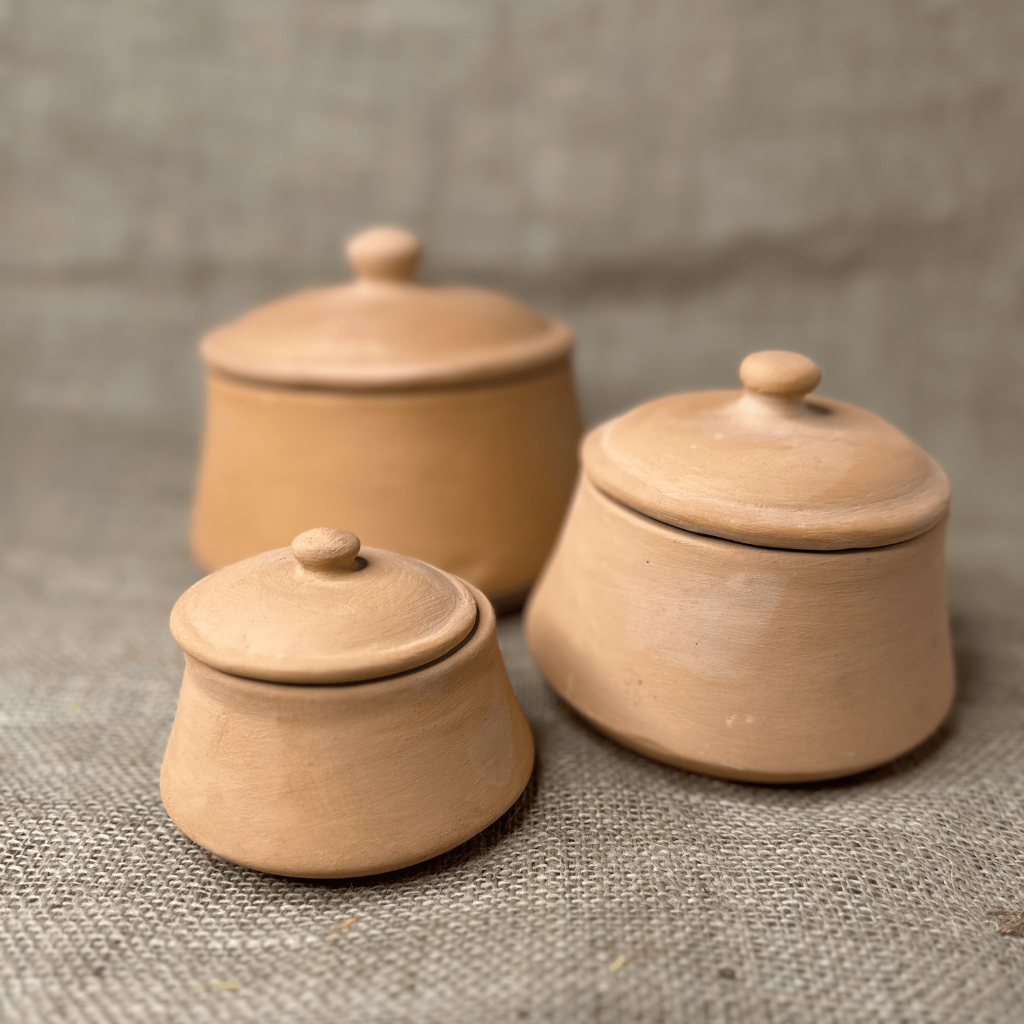
At MudKart Living, you will find Thulasi Vrindavan and Thulasi Thara’s made from earth, straight to your home. Talk to us today:
Related post

28
Sep
28
Sep

31
Aug
RECENT POSTS