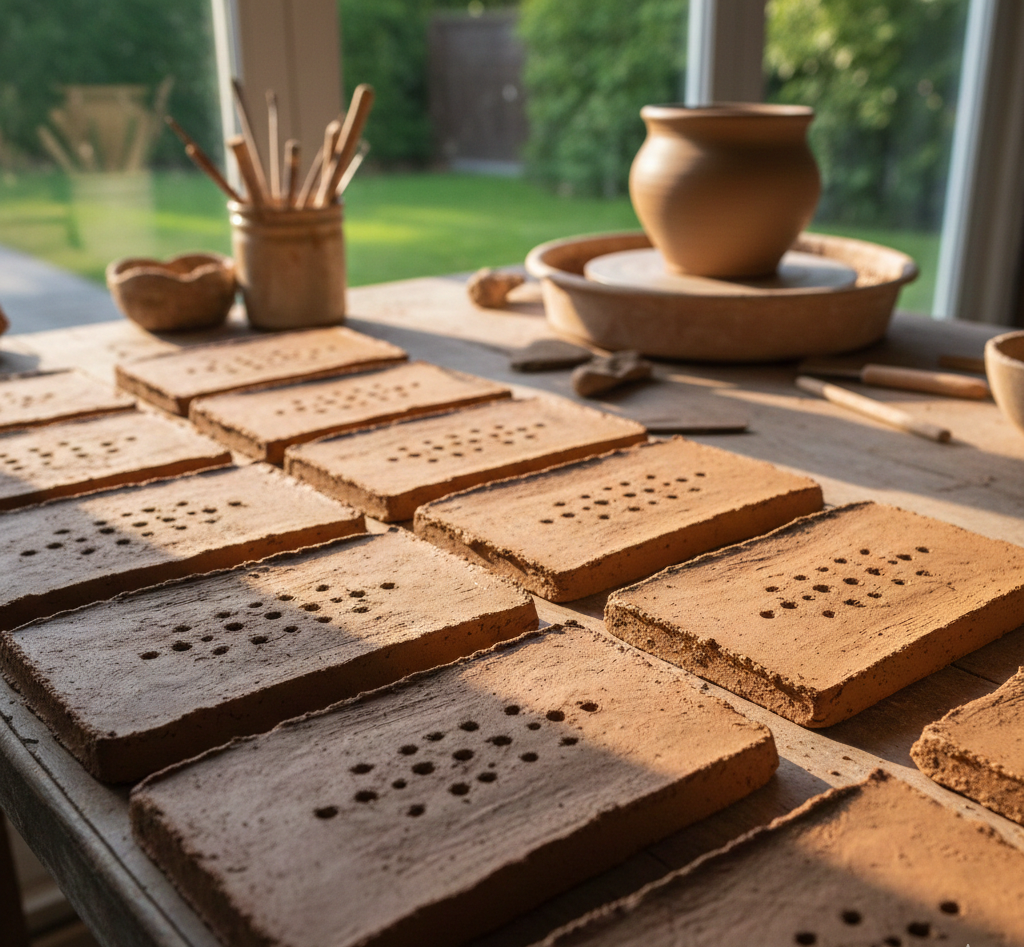
Clay Pot Filler Slab | Mudkart
How Clay Pot Filler Slabs Enhance Traditional and Heritage Architecture?
Discover how clay pot filler slabs bring authenticity, thermal comfort, and cost efficiency to traditional and heritage architecture while reducing concrete use and enhancing aesthetics.
When you walk into an old courtyard or restored heritage property, you can usually feel the difference in the air before you even notice the details. The rooms are cooler, the acoustics feel calmer, and the building seems to breathe in a way that modern, boxed apartments don’t. While materials and proportions play a big role, one construction approach is quietly making a comeback in heritage-sensitive projects: clay pot filler slabs.
If you are someone who is working on traditional architecture, restoration, or a new build that wants a touch of heritage, clay pot filler slabs can be a smart idea. This technique is rooted in the old-world sensibilities but is compatible with modern architecture.
First, what exactly are clay pot filler slabs?
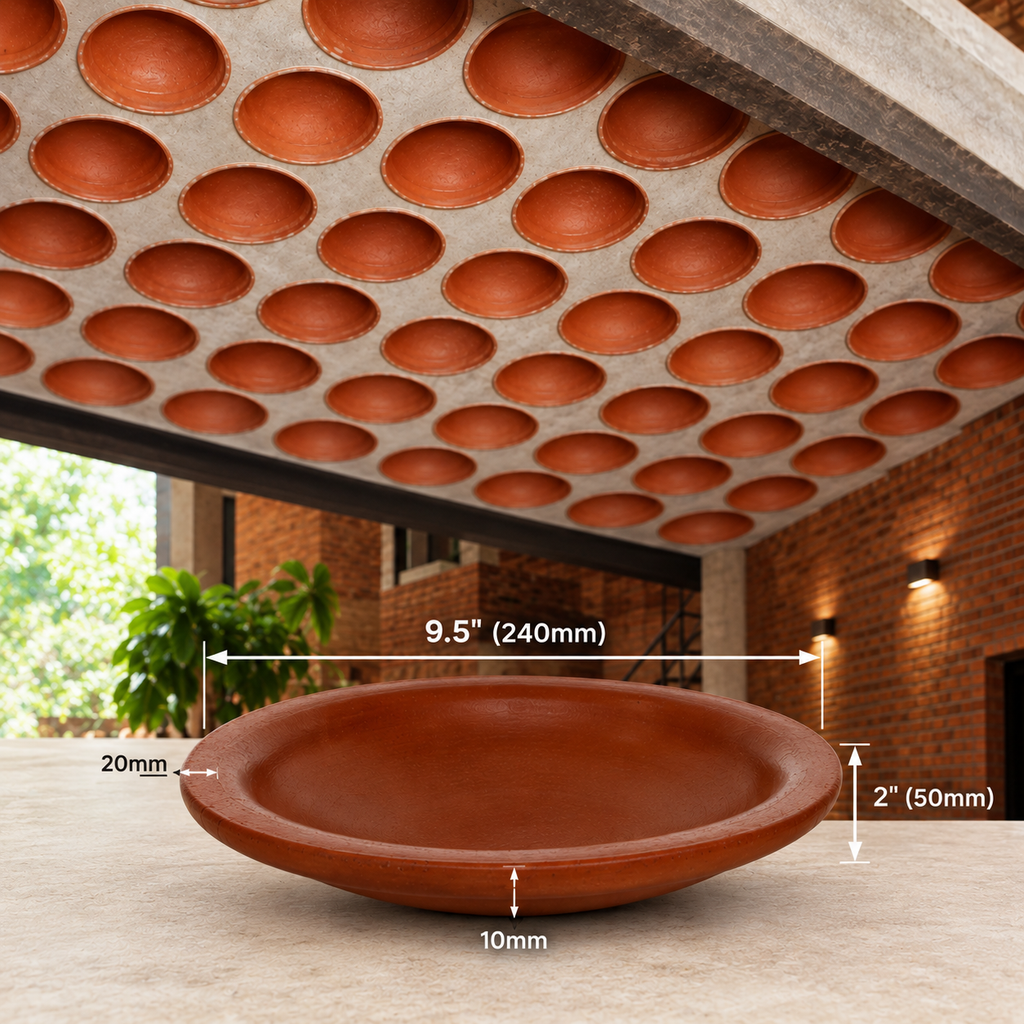
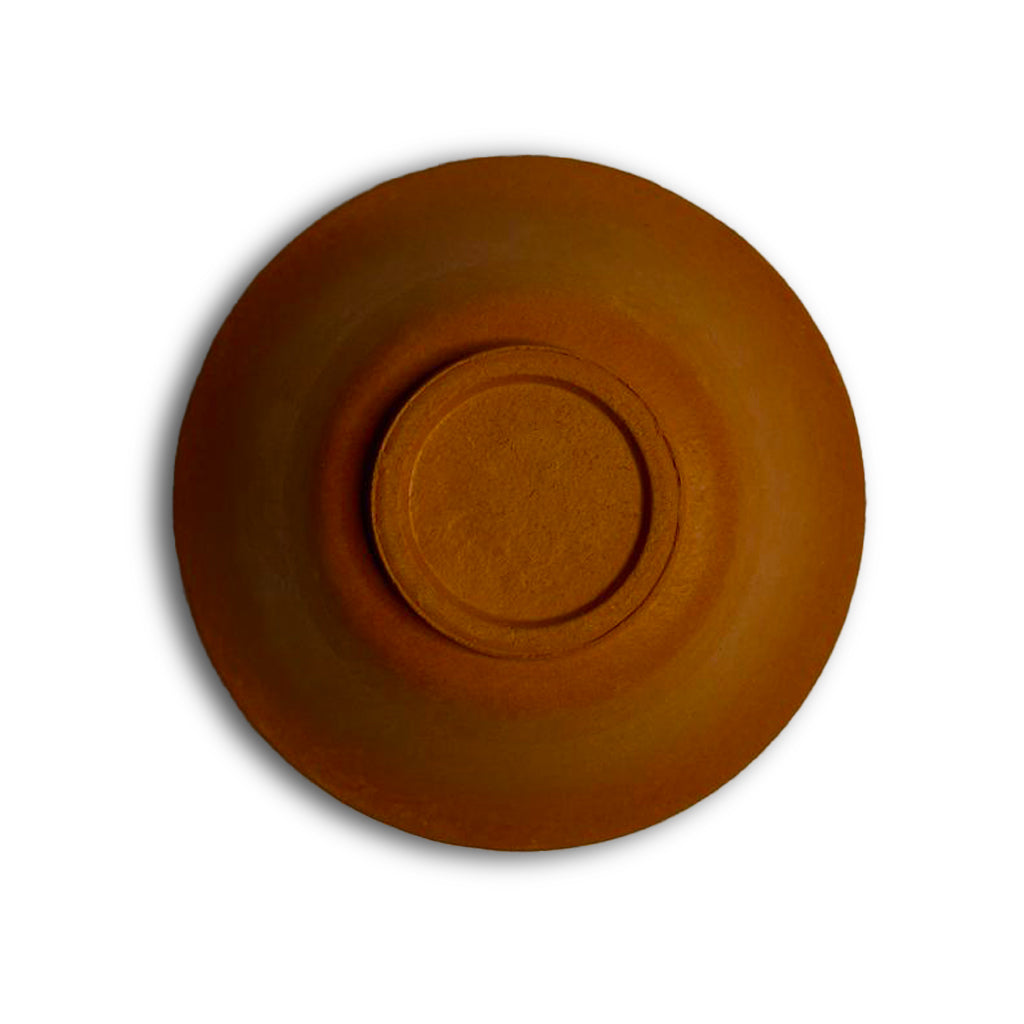
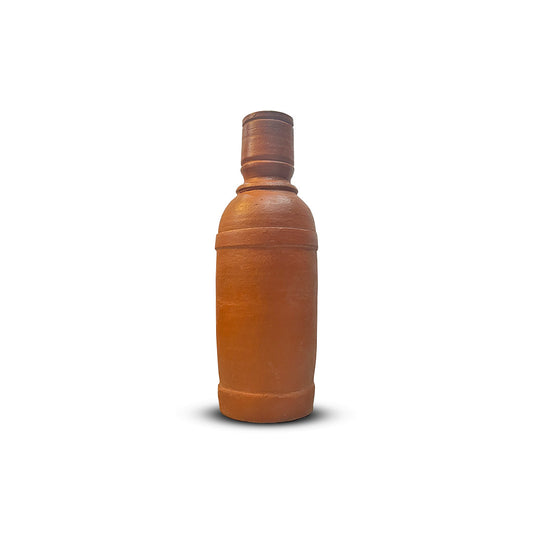
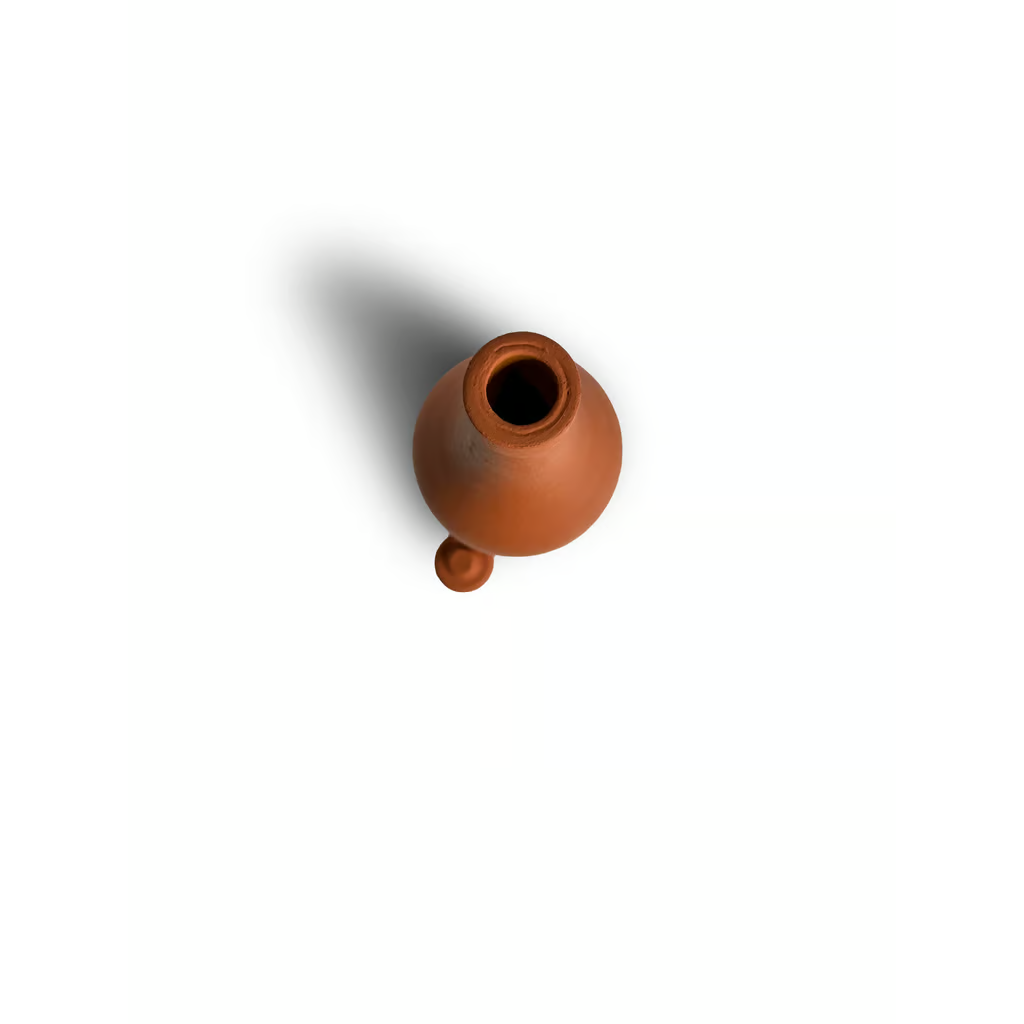
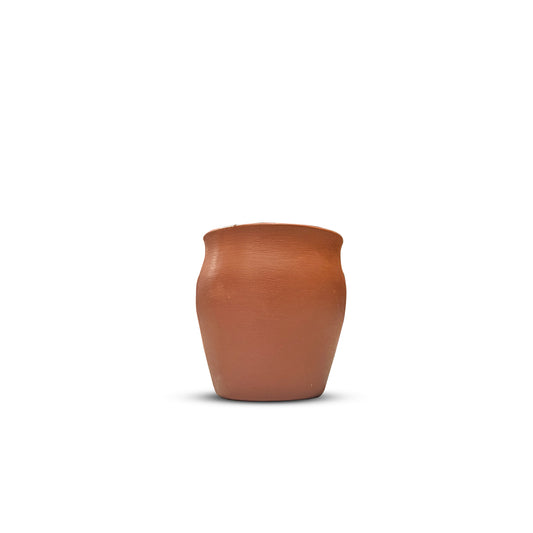
A filler slab is a slab system where non-structural “filler” materials replace the concrete in the tension zone of the slab (where concrete is not doing much structural work). Instead of pouring solid concrete across the entire slab for thickness, lightweight fillers, such as clay pots, terracotta tiles, or hollow brinks, inserted between the reinforcement. The result is a slab which takes less concrete, weighs less, and performs better thermally.
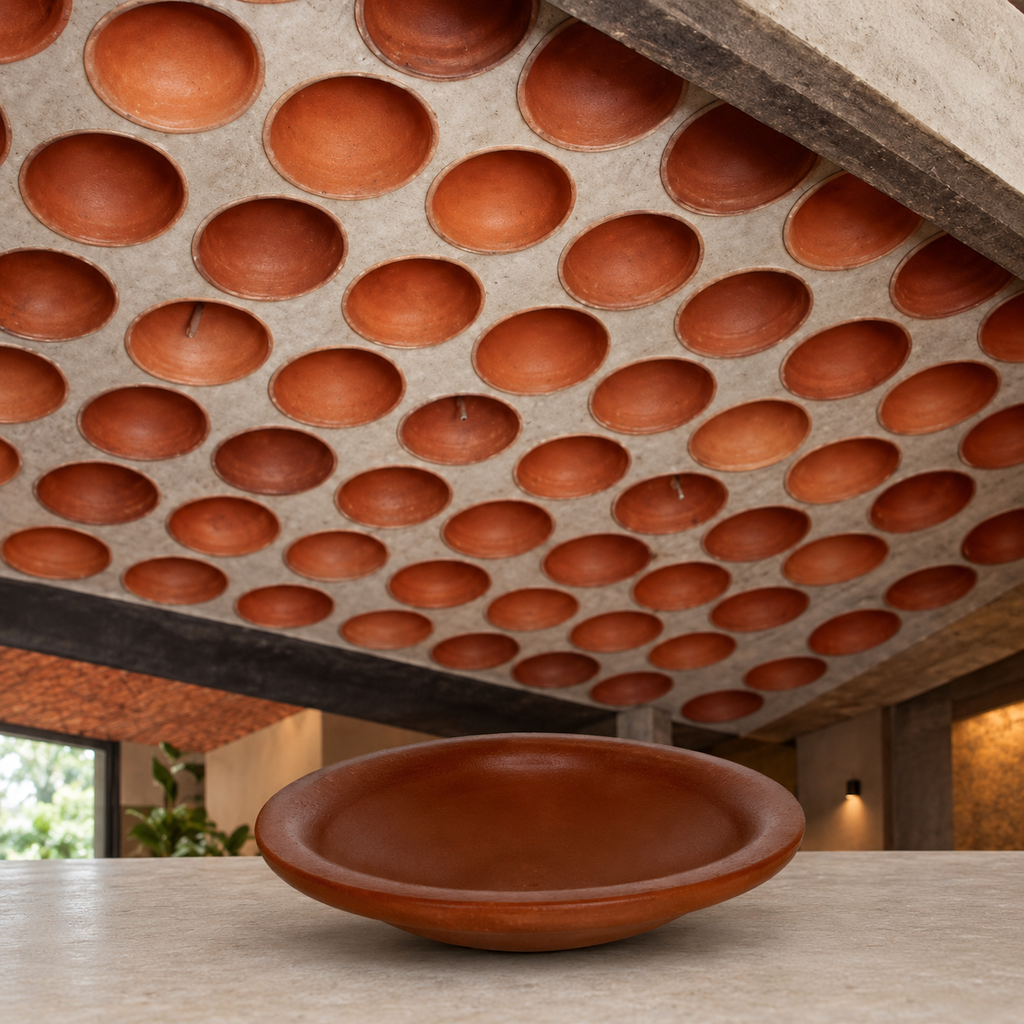
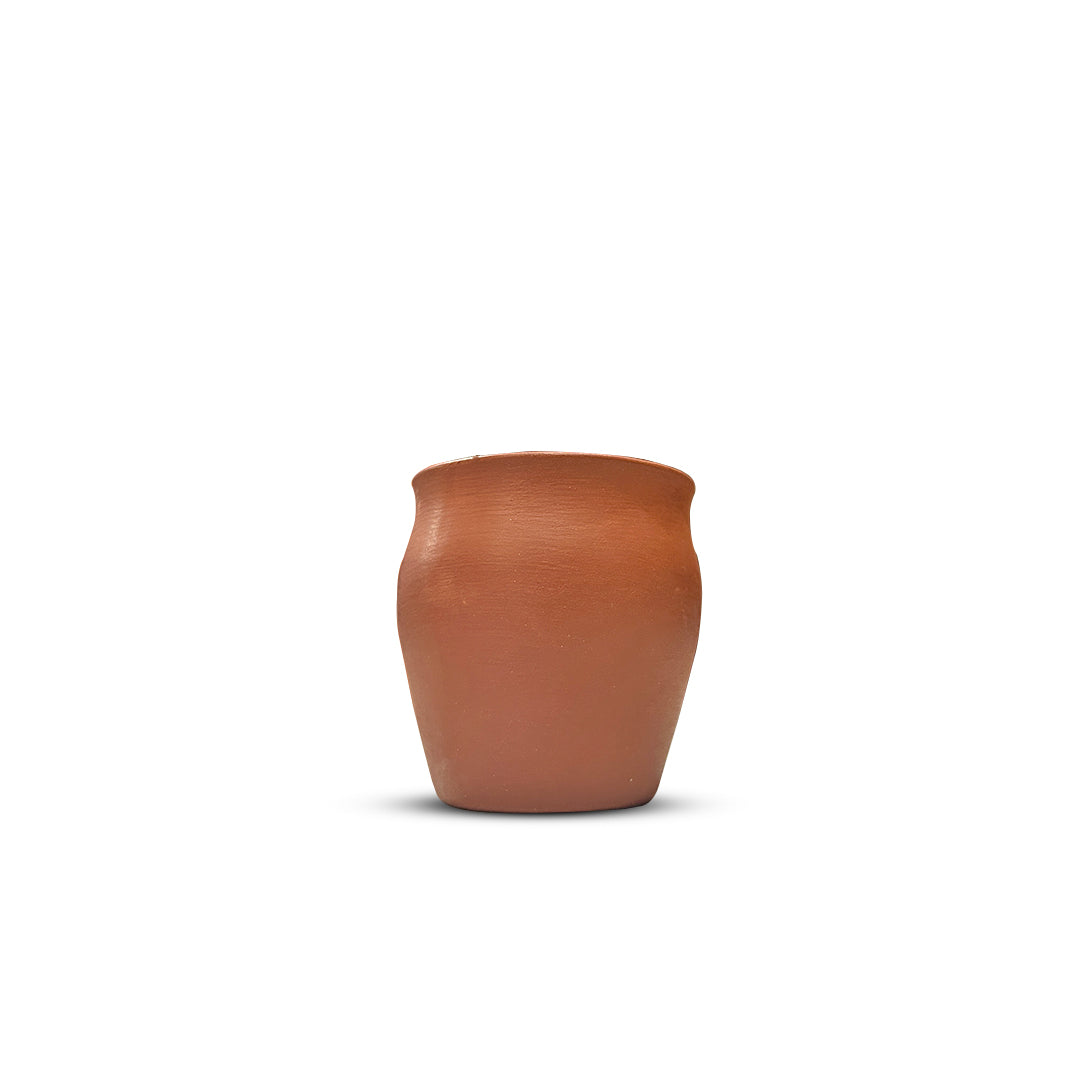
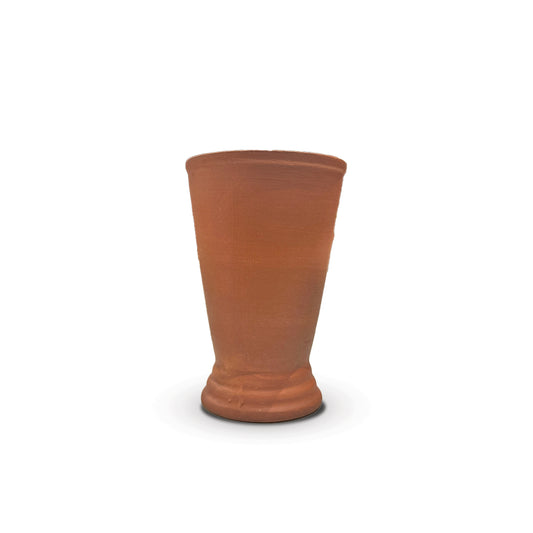
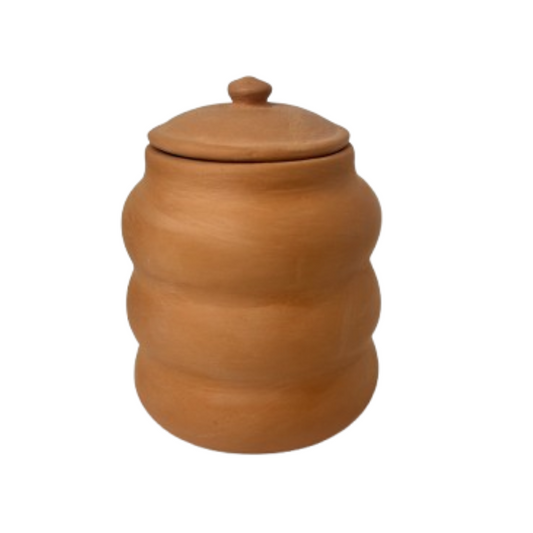
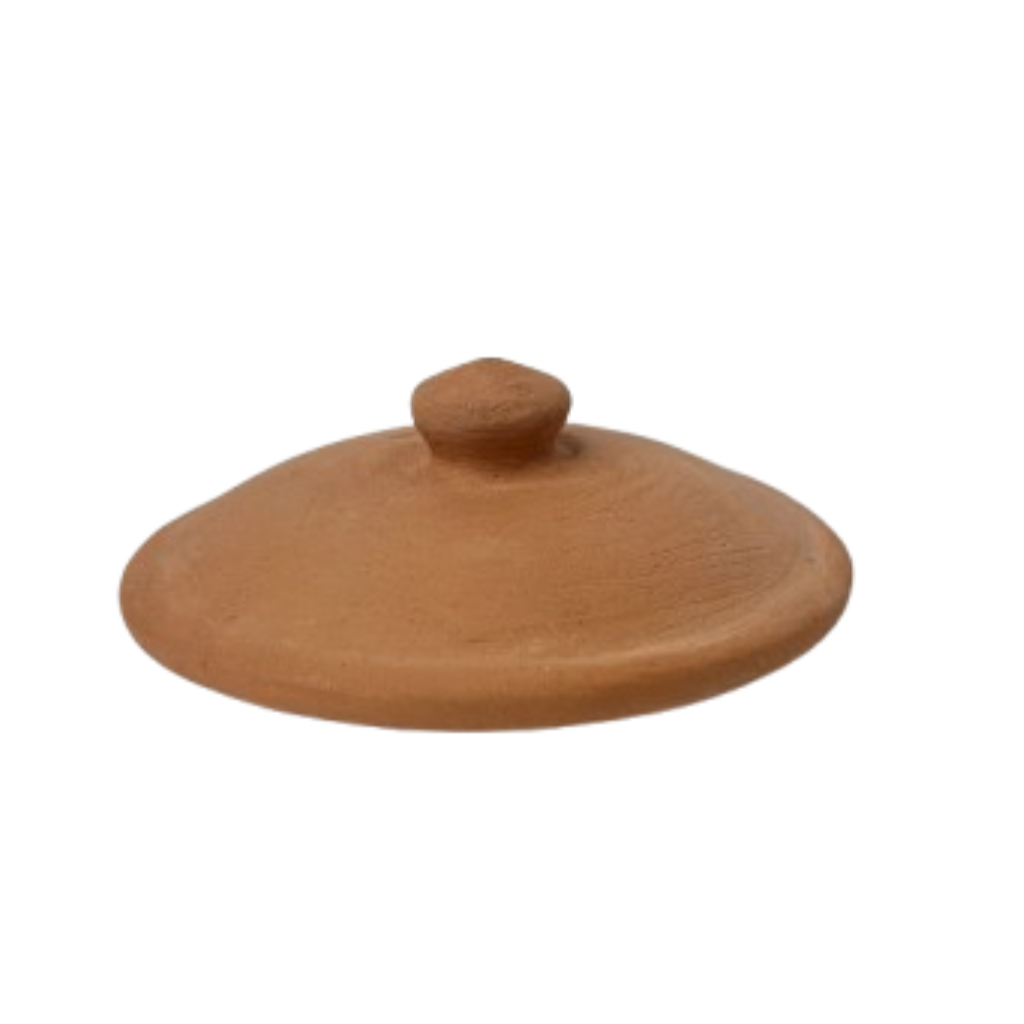
In the case of clay pot filler slabs, the filler elements are made of terracotta or clay placed in a pattern. From below, you see a beautiful ceiling texture that looks handcrafted, an element heritage architecture normally prefers.
Why do they work so well for heritage and traditional architecture?
Traditional architecture is not just about looking “old.” It’s about climate response, material honesty, and craft. Clay pot filler slabs align with all three.
1) They naturally match the visual language of heritage buildings
Exposed rafters, patterned ceilings, brick arches, lime plaster finishes are some of the textures that heritage spaces often celebrate. A plain ceiling can look incomplete, unless you add a false ceiling, which is something many restoration teams avoid because it hides the height of a structure.
Clay pot filler slabs are exposed ceilings, which feels artisanal without looking too much. The pattern of repeated pot geometry creates a warm rhythm. Especially in verandahs, corridors, dining spaces, and courtyards where ceiling character matters the most.
And because terracotta ages gracefully, it tends to blend with older materials over time rather than fighting them.
2) They help with thermal comfort—especially in hot climates
One of the biggest wins of traditional architecture is thermal comfort. Thick walls, shaded openings, and breathable materials reduce the indoor temperature. The roof remains a major heat entry point.
Clay is naturally insulating material as compared to dense concrete. Reducing the volume of concrete and introducing the air gaps within pots, clay pot filler slabs can improve the thermal performance in a room. The interiors feel less hot during peak afternoon heat, and the ceiling does not radiate heat as aggressively into the space below.
This doesn’t replace good roof insulation or ventilation strategies, but it complements them—particularly in heritage-style homes that prioritize passive cooling.
3) They reduce concrete use without compromising structural intent
Material sensitivity matters for heritage projects. Many restoration efforts aim to reduce over-modernization and avoid putting unnecessary mass where it’s not needed.
Filler slabs are based on a simple idea: concrete is strong in compressive strength but weak in tensile strength. Whereas steel reinforced concrete takes tension well. In a convertible slab, a portion of concrete in the tension zone is essentially dead weight. Clay pot filler slabs replace the concrete with clay pots, bringing the temperature of overall concrete consumption down and reducing the slab weight.
A lighter slab can also reduce loads on walls and foundations useful in renovations where existing masonry or footings are not designed for heavy modern slabs.
4) They support local craft and heritage construction ecosystems
Heritage architecture is about people as much as it’s about buildings. Traditional construction relies on local masons, clay artisans, carpenters, and lime plaster workers. When projects choose industrial finishes, the ecosystem slowly fades away.
Using clay pot filler slabs can support local pottery clusters and terracotta manufacturers. It also encourages craftsmanship..
This is one reason filler slabs often feel “alive” compared to purely standardized construction.
5) They create a “finished” ceiling without extra layers
If you have ever tried to make a modern ceiling feel heritage-friendly, the usual path is false ceiling, timber cladding, decorative panels, or heavy cornices. Those add cost, maintenance, and sometimes reduce ceiling height.
With the help of clay pot slabs, the underside can become the final ceiling. Leave it exposed, apply a clear sealant, or even lime-wash around it, the ceiling will continue to look aesthetic.
This can cut down finishing work and still give you a ceiling that looks intentional.
Where clay pot filler slabs shine in heritage-sensitive projects?
You’ll typically get the most impact in spaces where the ceiling is visible and contributes to the character of the room:
-
Verandahs and transitional corridors
-
Courtyard edges and semi-open sit-outs
-
Living and dining areas in heritage-themed homes
-
Boutique hospitality spaces that want local craft expression
-
Museums, cafés, and cultural centers designed with regional identity
The pattern itself can become a design element aligned with beams, arches, or room geometry to create visual harmony.
Practical considerations before you adopt them
Clay pot filler slabs need a lot of care while construction. When designed and executed well, they work best.
The quality of the clay pots matter too. Uniform size, adequate strength, and low breakage rates reduce any site hiccups. Good shuttering and placing them carefully is important. Coordination between structural design and ceiling aesthetics should happen early. Since the pot layout can influence beam spacing, lighting plans, and service routing.
Also, not every span and loading condition is ideal. For certain heavy-duty applications, you may need alternative filler materials or a conventional slab. The best approach is to treat clay pot filler slabs as an engineered system not merely a decorative ceiling.
Talk to us today to know how you can get earth-friendly filler slabs for your new home or renovation project: Mudkart.
Related post
28
Sep
28
Sep
31
Aug
RECENT POSTS