Clay vs Iron vs Non-Stick Tawa: Which Is Best for You?
Clay Tawa vs. Iron Tawa vs. Non-Stick Tawa: Which Griddle Is Right for You?
Somewhere in every Indian kitchen, there’s a story woven into the tawa. From the first paratha Amma taught you to flip, to late-night dosas during hostel days, to Sunday morning cheelas. The tawa has always been a quiet companion to our food memories.
But today, with so many options in the market, choosing the right tawa can feel overwhelming. Should you stick to the traditional clay tawa, rely on the sturdy iron tawa, or go for the convenience of non-stick?
Let’s break it down. With a bit of nostalgia, a bit of science, and a lot of practicality, you can choose a tawa that truly fits your lifestyle.
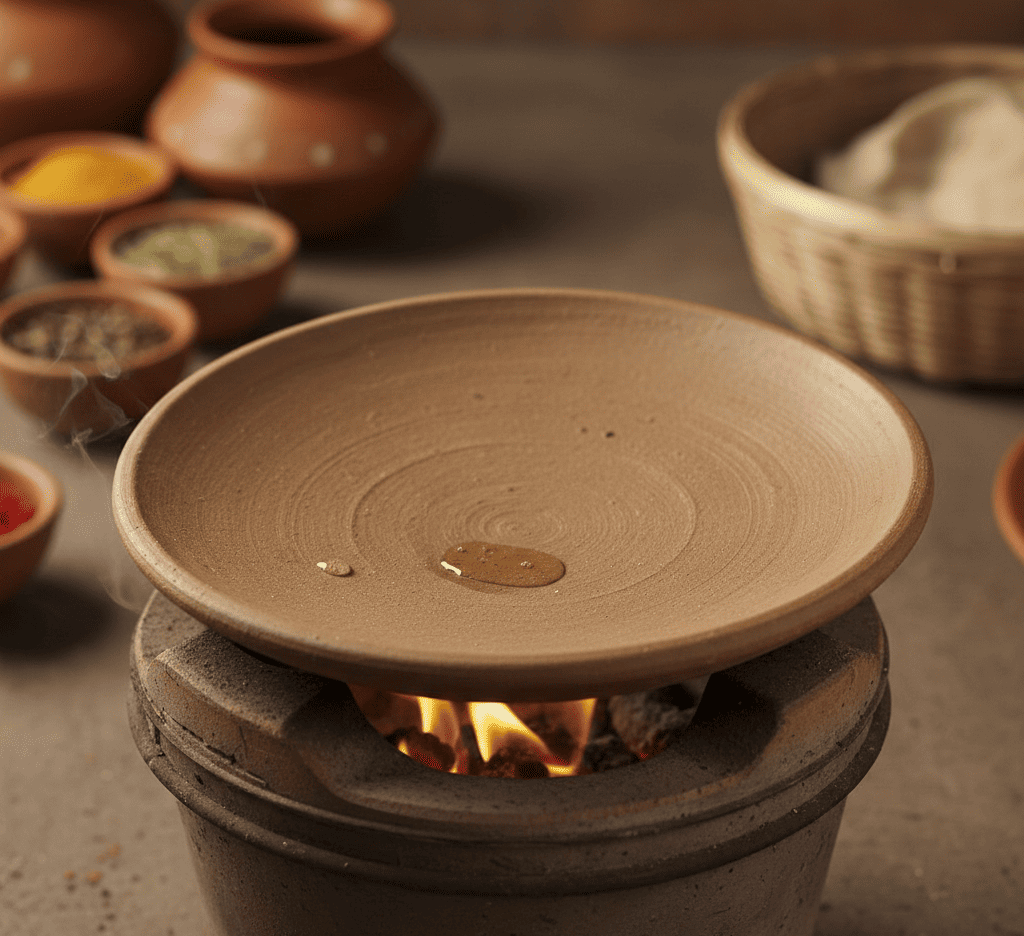
1. Clay Tawa, The Ancient, Healthy Choice
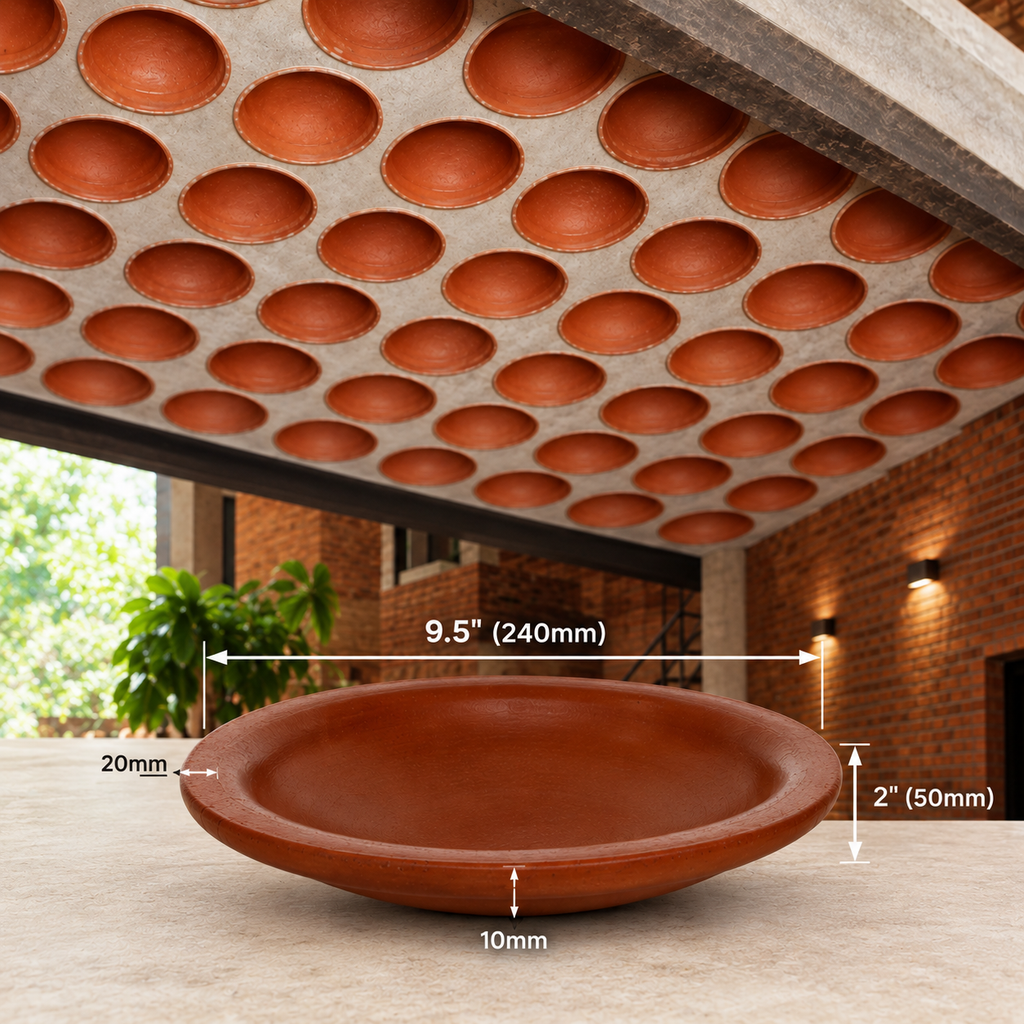
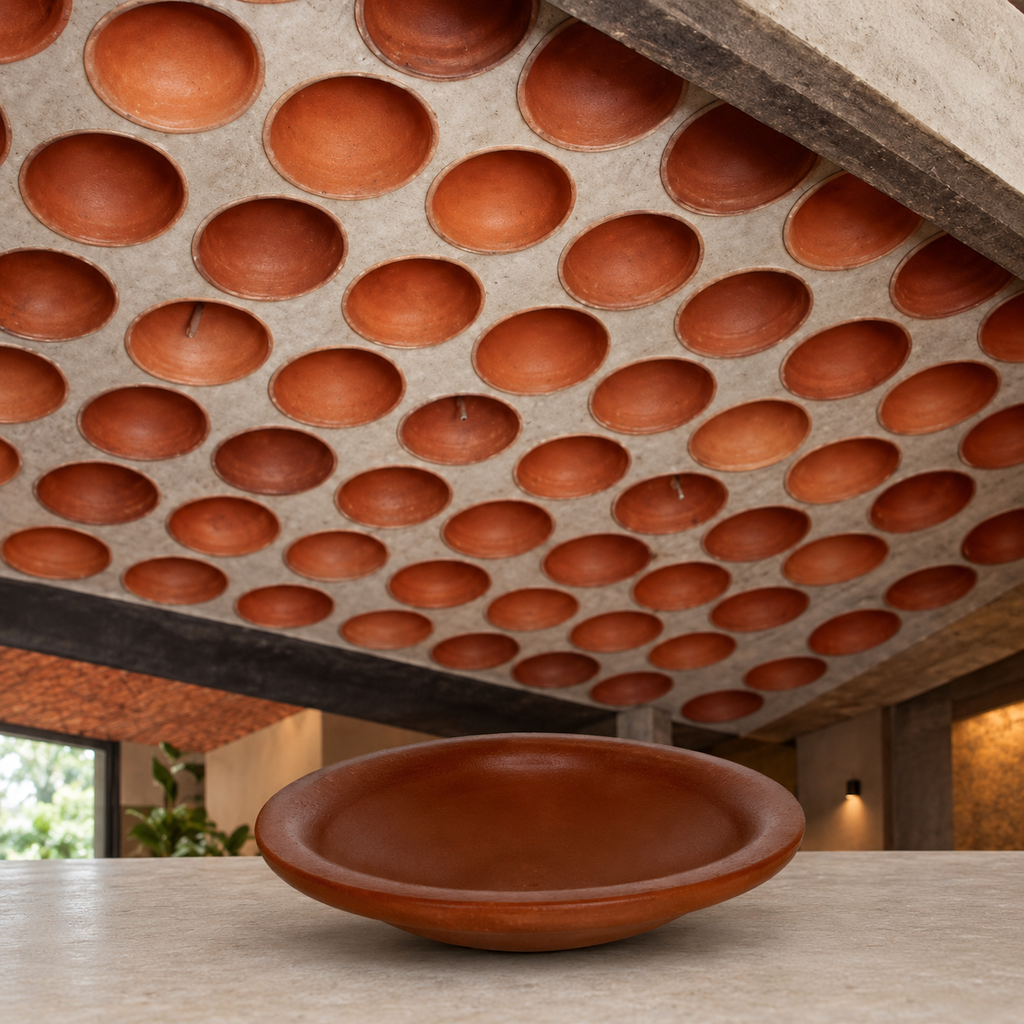
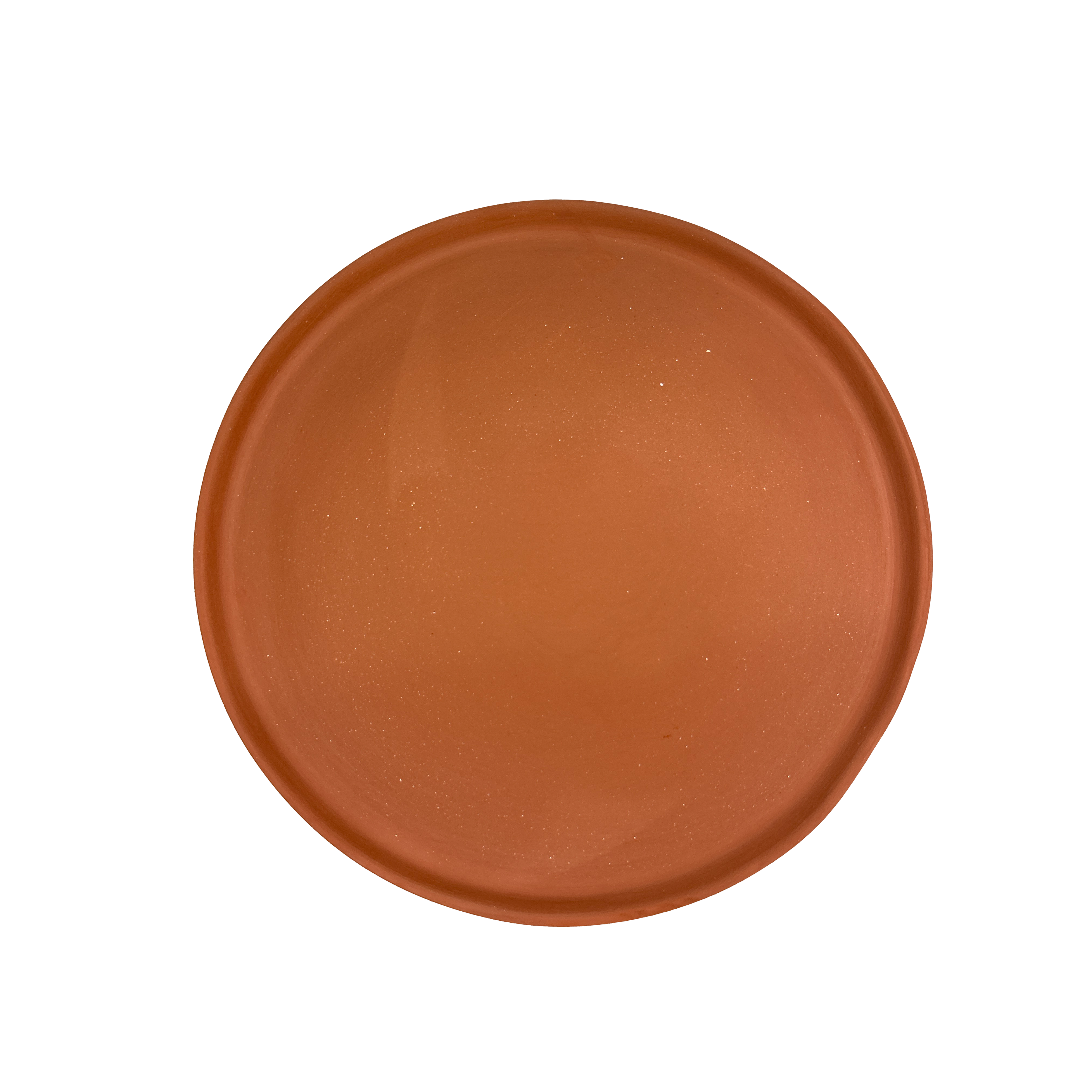
Clay tawas are making a comeback as more households rediscover natural cooking. They’re handcrafted from mitti, sun-dried or fired, and seasoned naturally.
Benefits of a Clay Tawa:
-
Natural Non-Stick Surface
When seasoned well, a clay tawa gains a smooth, naturally non-stick finish. No chemicals needed. -
Even, Gentle Heat
Clay heats slowly but evenly, reducing burning or overheating, perfect for rotis, chillas, parathas, bhakri, and even dosa. -
Alkaline Cooking
Clay is naturally alkaline. It balances acidity in foods and enhances flavour. -
No Toxins, No Coating
Unlike non-stick pans, clay tawas contain no synthetic materials, making them ideal for health-focused homes. -
Retains Moisture
Rotis stay softer for longer because clay doesn’t dry out food.
Where a Clay Tawa Struggles:
-
Needs gentle preheating
-
Not suitable for very high-flame cooking
-
Can break if mishandled
-
Requires seasoning & careful washing
But honestly, the flavour it adds? Unmatched.
2. Iron Tawa, The Sturdy, Old-School Workhorse
Many Indian kitchens still swear by their iron tawa, heavy, reliable, long-lasting.
Benefits of Iron Tawa:
-
Excellent Heat Retention
Perfect for crispy dosas, fluffy phulkas, and thick parathas. -
Adds Iron to Food
A natural way to boost daily iron intake, especially good for children and women. -
Durable & Manages High Heat
It can handle everything, from searing to frying.
Where Iron Tawa Struggles:
-
Heavy to lift
-
Requires regular seasoning
-
Rusts if not properly dried
-
Food can stick if seasoning wears off
Still, iron is a lifelong kitchen investment.
3. Non-Stick Tawa, The Modern Convenience Tool
Non-stick tawas rose to fame for their ease of use. Perfect for busy urban kitchens.
Benefits of Non-Stick Tawa:
-
Requires the Least Oil
Great for weight-watchers or students living alone. -
Lightweight & Easy to Clean
Can be handled effortlessly. -
Quick Heating
Best for fast, everyday cooking.
Where Non-Stick Struggles:
-
Coating wears off within months
-
Scratches easily
-
Can release harmful fumes at high temperatures
-
Not ideal for Indian high-flame cooking
Non-stick is convenient, but short-lived.
4. Taste Test: Which Tawa Makes Better Rotis and Dosas?
Rotis & Parathas
-
Clay Tawa: Soft, earthy-flavoured, evenly cooked
-
Iron Tawa: Soft centre, crisp edges, the classic Punjabi style
-
Non-Stick: Even cooking but no flavour boost
Dosa & Uttapam
-
Clay Tawa: Slightly softer dosas; amazing fermented flavour
-
Iron Tawa: The best crispiness
-
Non-Stick: Easy release but less traditional taste
For flavour, clay and iron win hands down.
5. Health Comparison, Which Is Safest?
-
Clay Tawa: 100% natural, alkaline, no chemicals
-
Iron Tawa: Safe, adds minerals, great for daily cooking
-
Non-Stick: Safe only under low heat; coating wear is a concern
If health is your top priority:
Clay > Iron > Non-stick
6. Maintenance & Care, What Each Tawa Demands
Clay Tawa Care:
-
Season before first use
-
Avoid high flame
-
Wash gently without soap
-
Dry fully before storing
Iron Tawa Care:
-
Season with oil regularly
-
Wash without harsh scrubbing
-
Dry immediately to prevent rust
-
Oil lightly before storing
Non-Stick Care:
-
Use wooden or silicone spatulas
-
Avoid high flame
-
Never use metal scrubbers
-
Replace the moment coating chips
7. The Indian Lifestyle Match, Which Tawa Fits Your Home?
Choose a Clay Tawa if:
-
You value traditional healthy cooking
-
You cook rotis, chillas, or dosa on low/medium flame
-
You prefer chemical-free cookware
Choose an Iron Tawa if:
-
You make crispy dosas often
-
You like robust cookware
-
You don’t mind seasoning your pan
Choose a Non-Stick Tawa if:
-
You want fast, easy cooking
-
You cook low-flame, low-oil meals
-
You prefer lightweight cookware
A Lifestyle Reflection
Every tawa brings its own story. Clay brings the warmth of mitti and slow-cooked tradition. Iron brings the strength of our grandmothers' kitchens. Non-stick brings modern convenience. There is no “perfect” tawa, only the one that suits your pace, your health goals, and your cooking style.
When we choose cookware consciously, we bring balance to our kitchen just like our elders did, one mindful choice at a time.
Which Tawa Should You Take Home?
If you crave flavour, health, and tradition, the clay tawa stands unmatched.
If you want durability and crispy perfection, go for iron.
If you need convenience, non-stick will do the job.
But in the long run, nothing beats the earthy aroma, clean cooking, and gentle heat of a beautifully handcrafted clay tawa.
Ready to bring home the goodness of clay? Explore Mudkart’s handcrafted range here: https://mudkart.com/
Related post
28
Sep
28
Sep
31
Aug
RECENT POSTS