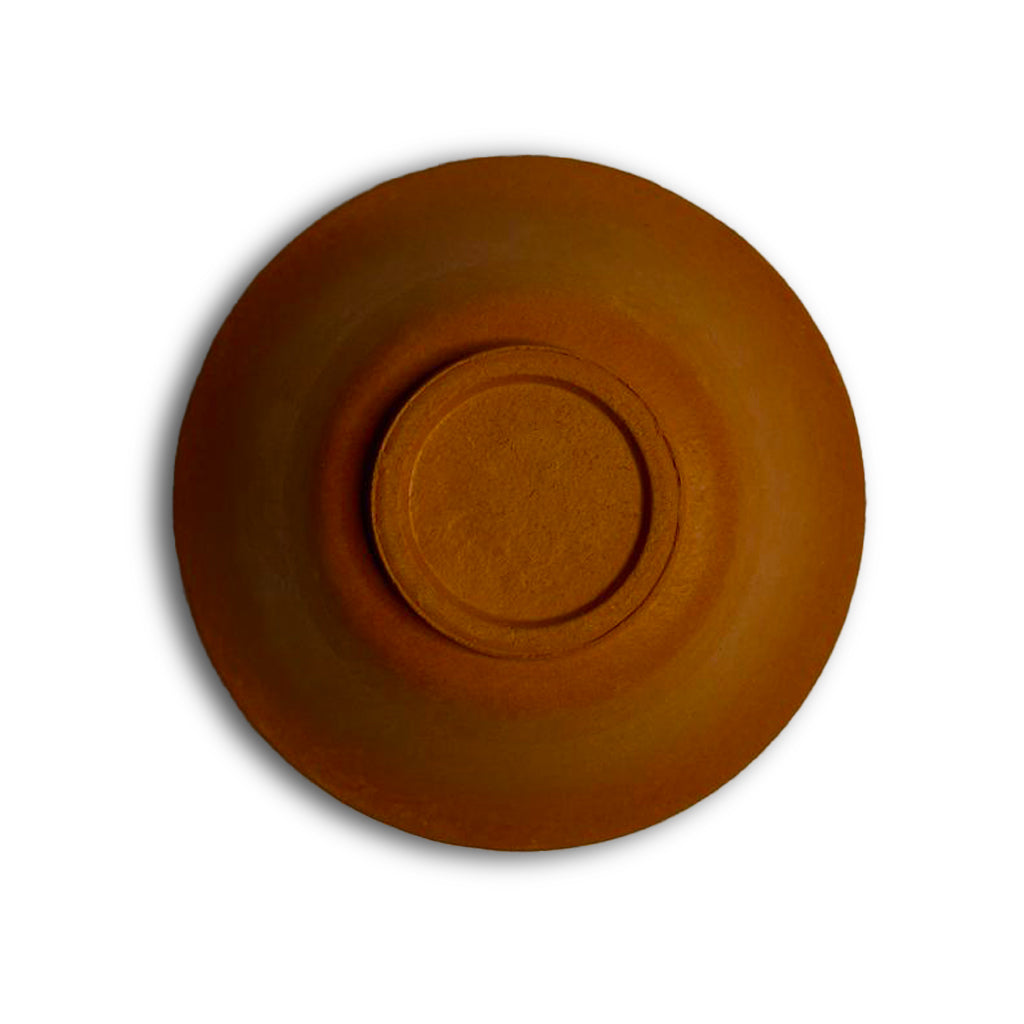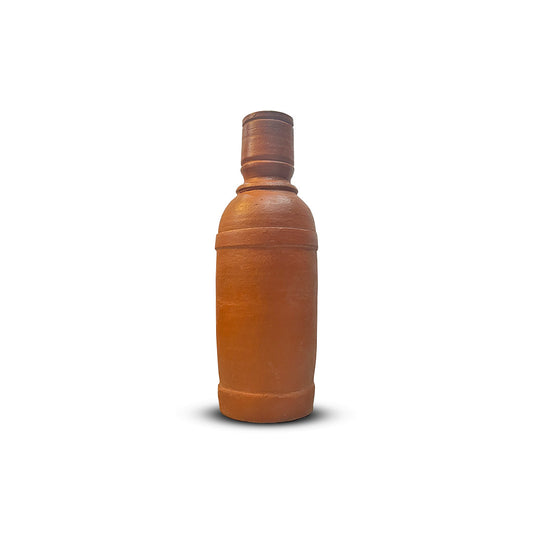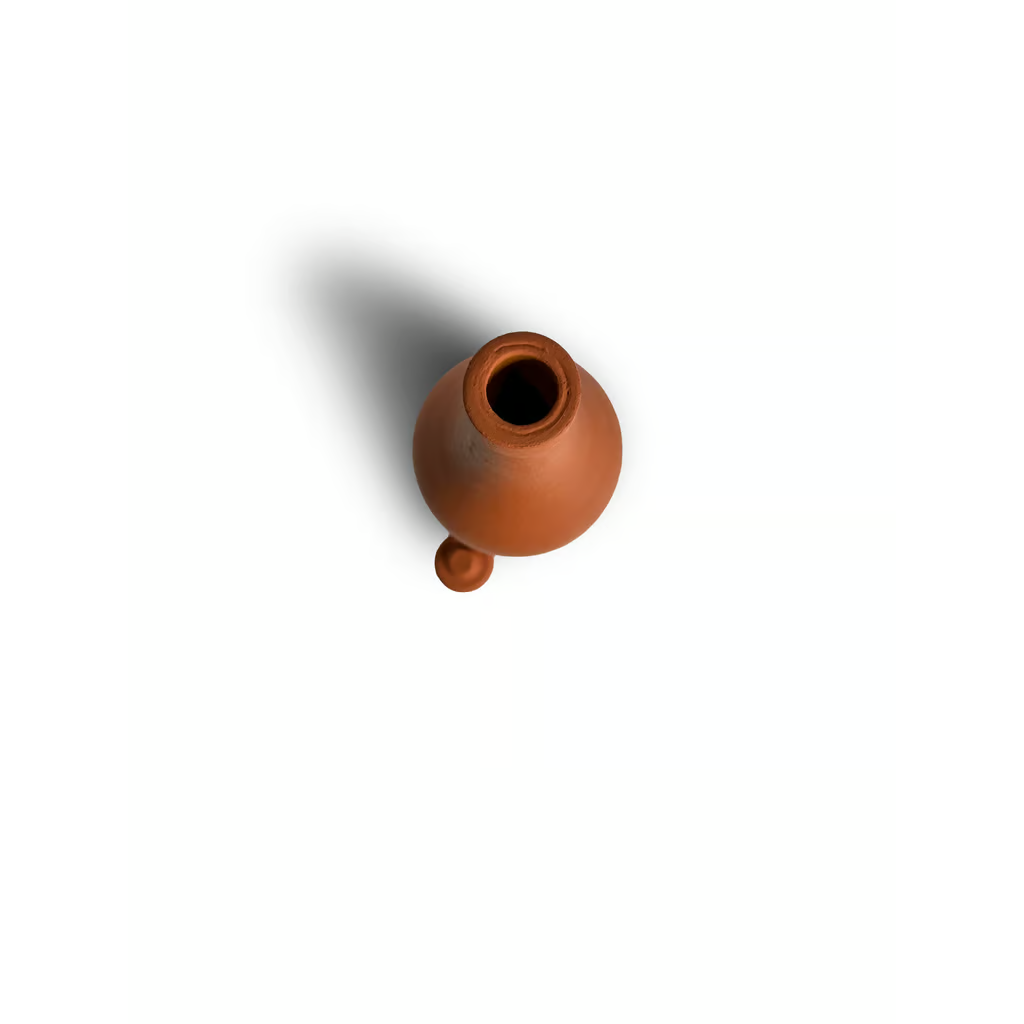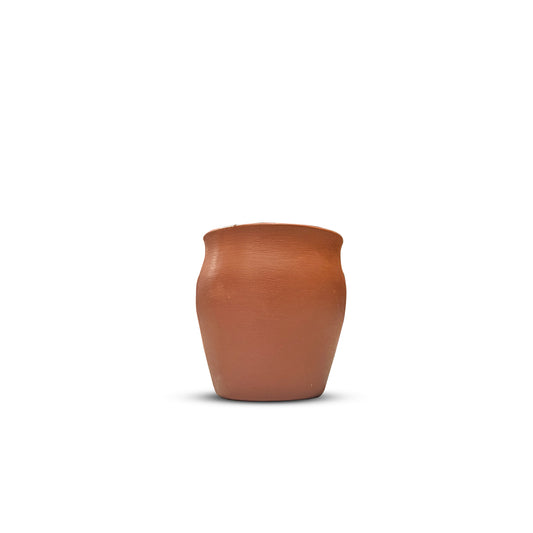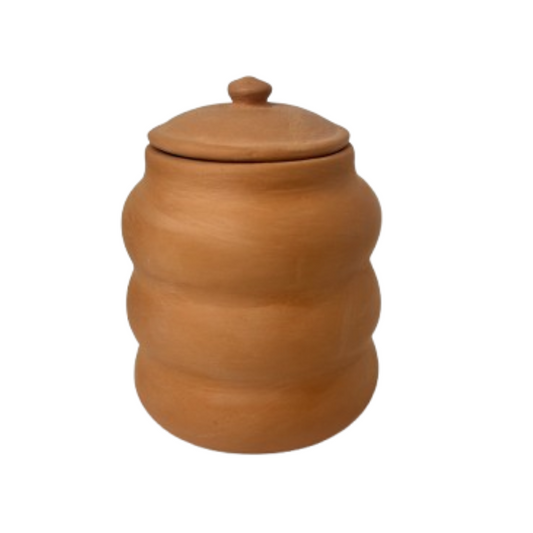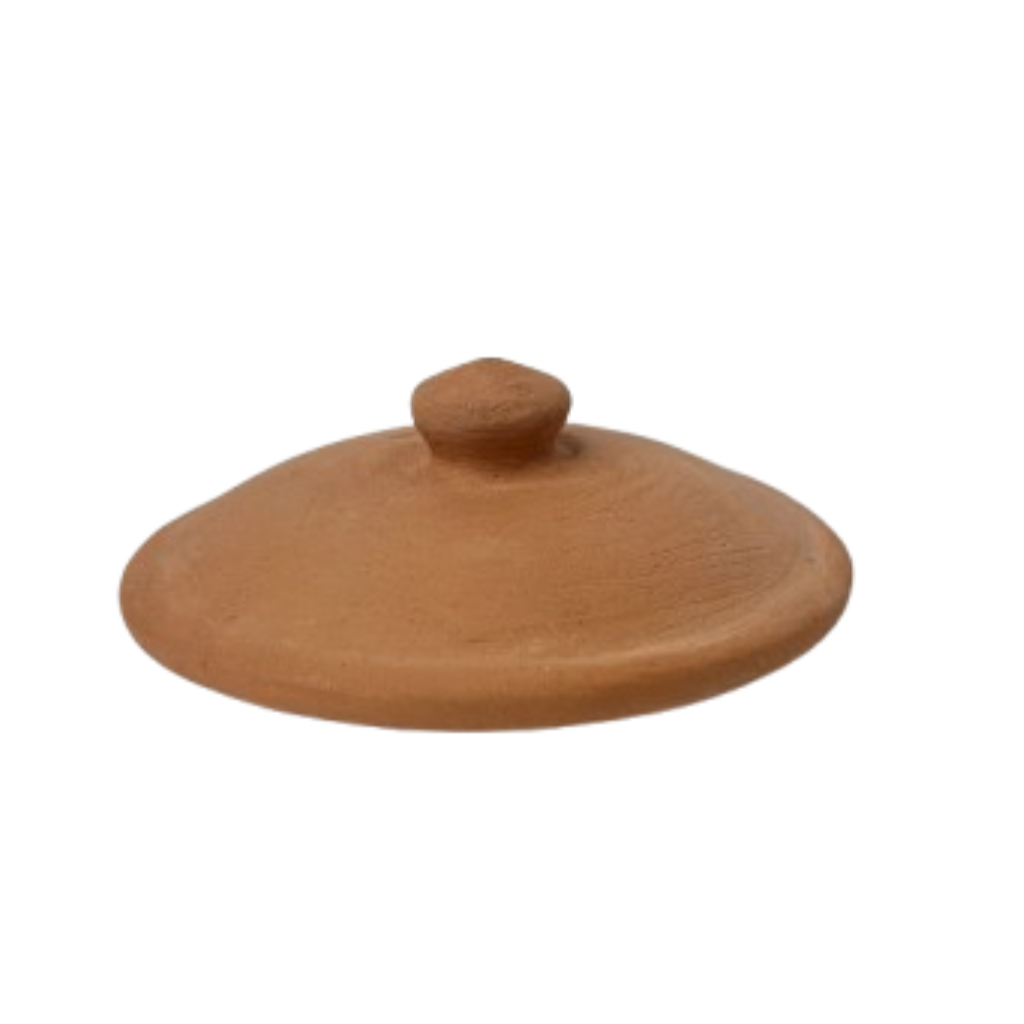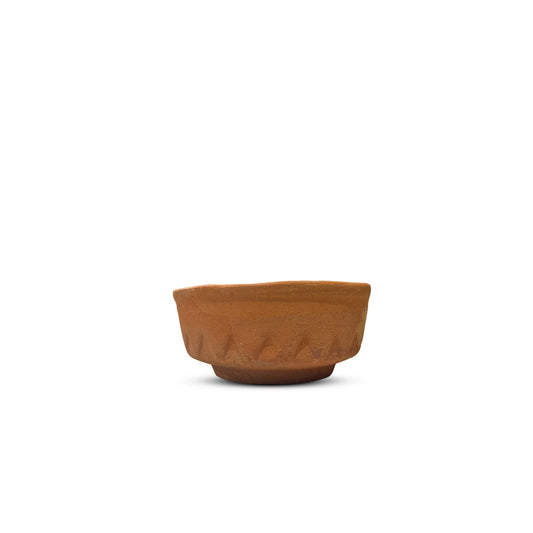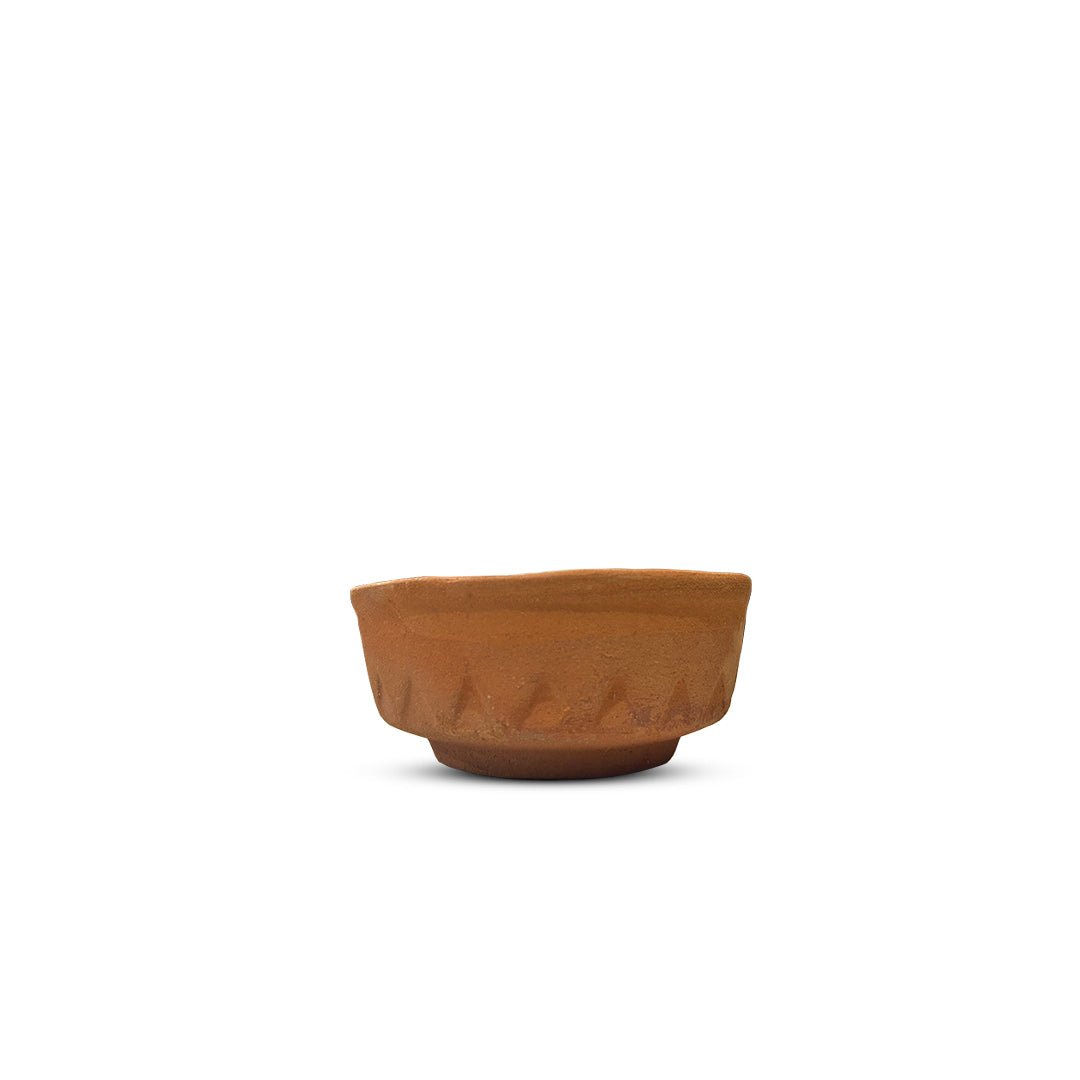
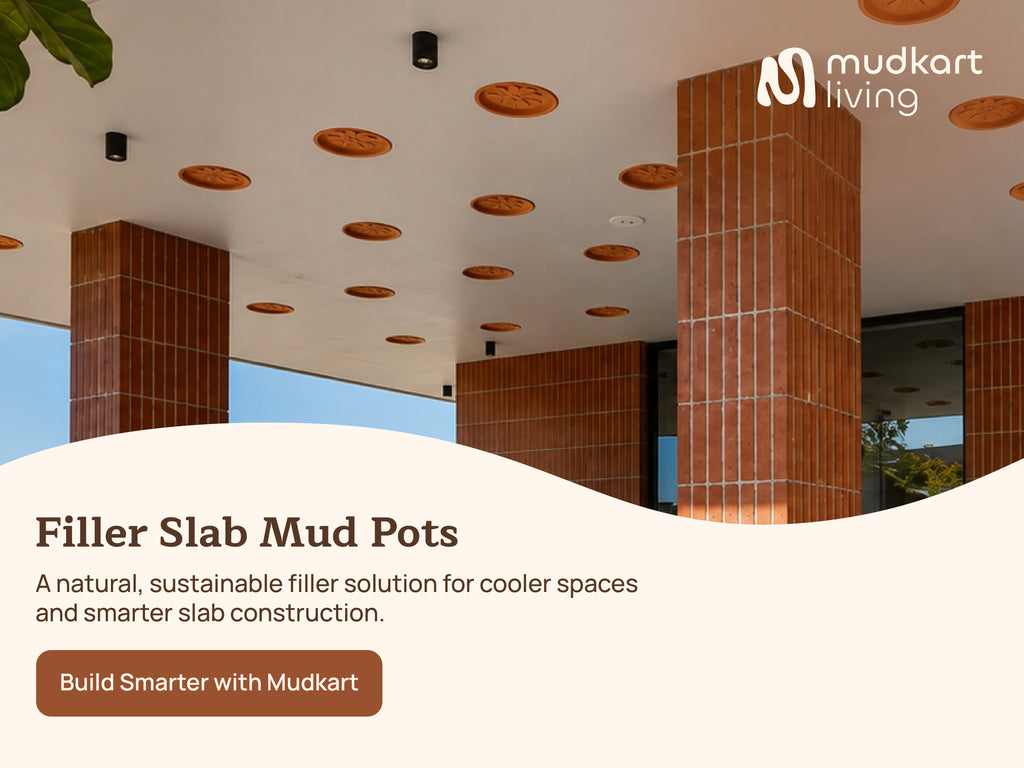
Mud Pot Filler Slab
Mud Pot Filler Slab - Exploring Eco-Friendly Ceiling Construction
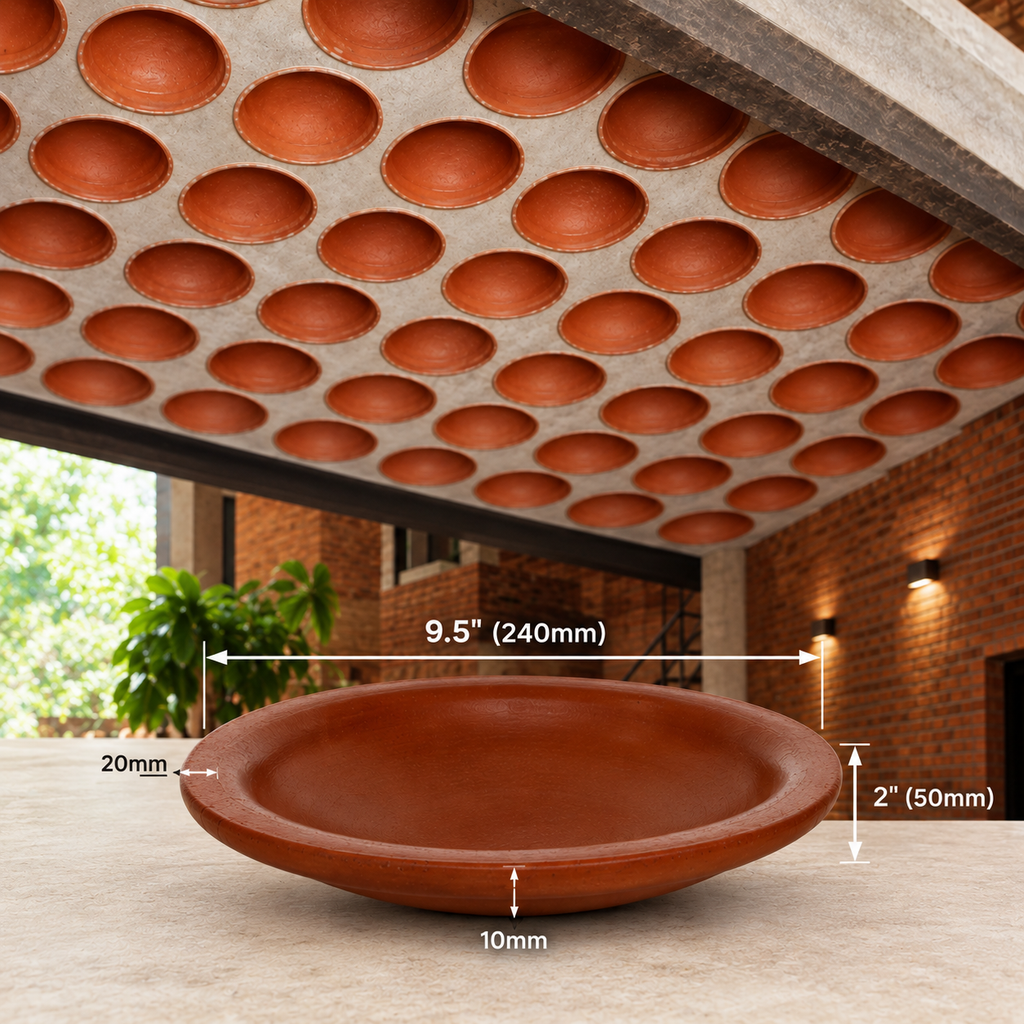
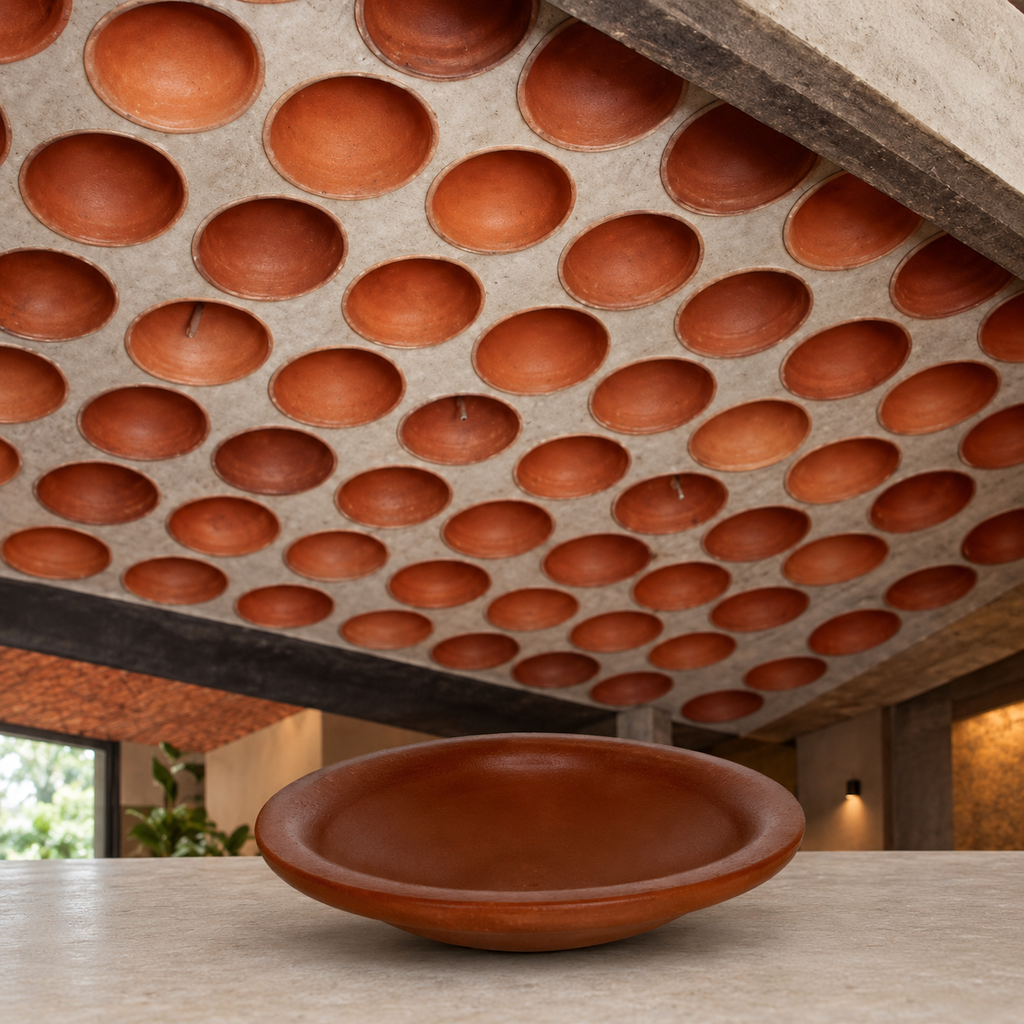
Long before "sustainable architecture" became a buzzword, builders in India were already reducing concrete consumption by embedding clay pots into roof slabs. Today, that same idea, the Filler Slab Mud Pot has become one of the most sought-after techniques among architects and homeowners who want a ceiling that's lighter, cooler, and genuinely eco-friendly, without giving up structural strength.
Here's a closer look at how mud pot filler slabs work, why they're gaining traction again, and what makes a well-built Terracotta Filler Slab ceiling stand apart.
How a Filler Slab Mud Pot Ceiling Works
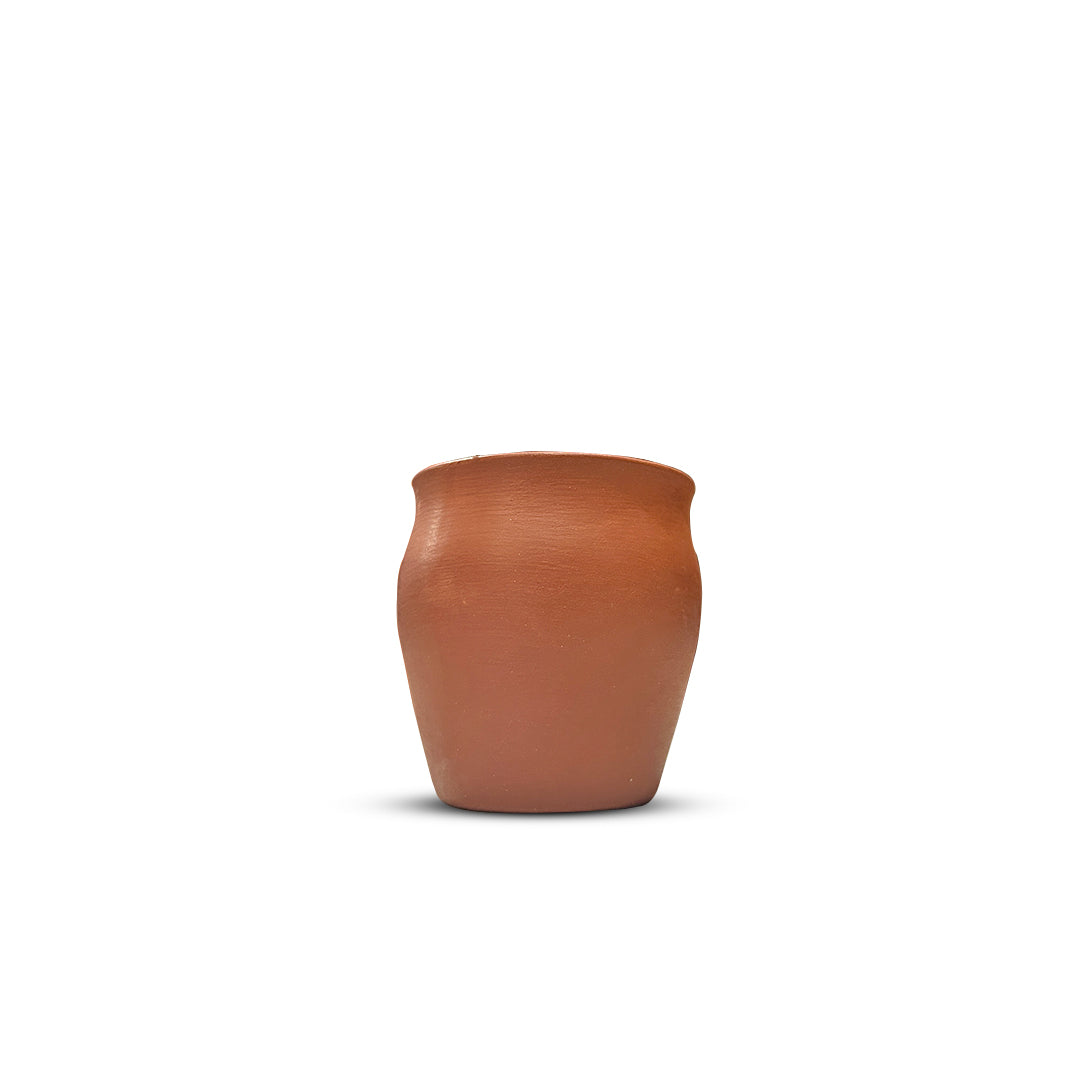
In a conventional RCC roof, concrete fills the entire depth of the slab, even the middle section, which carries almost no structural load. A Filler Slab Mud Pot system replaces that non-structural core with terracotta pots, positioned between the top and bottom layers of steel reinforcement. The reinforcement still carries the tensile forces, and the concrete ribs that form around the pots still carry the compressive load; the terracotta is simply filling space that concrete didn't need to occupy in the first place.
The result is a roof that:
-
Uses noticeably less concrete and steel often cutting material quantity by a significant margin
-
Weighs less overall, reducing load on the supporting structure
-
Insulates better, since clay has lower thermal conductivity than dense concrete and the pots trap air pockets
-
Leaves a naturally finished, patterned ceiling that needs no false ceiling or extra cladding
Why Terracotta Filler Slab Construction Is Genuinely Eco-Friendly
Sustainability claims in construction are easy to make and harder to prove. With Terracotta Filler Slab systems, the environmental case comes down to three measurable factors:
Lower embodied carbon. Cement and steel production are both carbon-intensive processes. Reducing how much of each material goes into a roof directly reduces the embodied carbon of the building.
Passive, energy-free cooling. Because clay insulates better than concrete and the pots introduce air gaps into the slab, interiors stay noticeably cooler reducing dependence on air conditioning and the energy that comes with it.
Support for local artisan economies. Terracotta filler pots are typically handmade by local potters and fired in regional kilns, rather than manufactured through industrial, energy-heavy processes. Choosing filler slabs keeps that traditional craft economy active.
Related Read: How Filler Slabs Improve Thermal Comfort in Homes
Is a Mud Pot Filler Slab Roof Strong Enough?
This is the most common concern homeowners raise, and it's a fair one lightweight materials in a roof can look structurally risky at first glance. But strength in a filler slab system doesn't come from the mass of the terracotta; it comes from correctly engineered reinforcement and concrete ribs around the pots, exactly as in a standard RCC slab. When designed by a structural engineer and built by a team experienced with the technique, a Filler Slab Mud Pot roof delivers the same lifespan and load-bearing performance as a conventional slab of equivalent span.
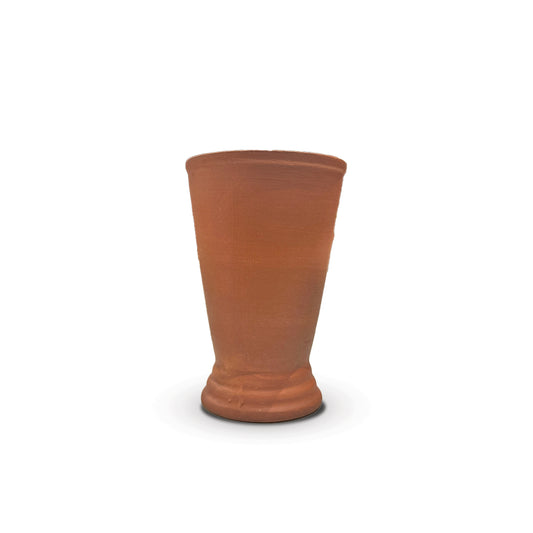
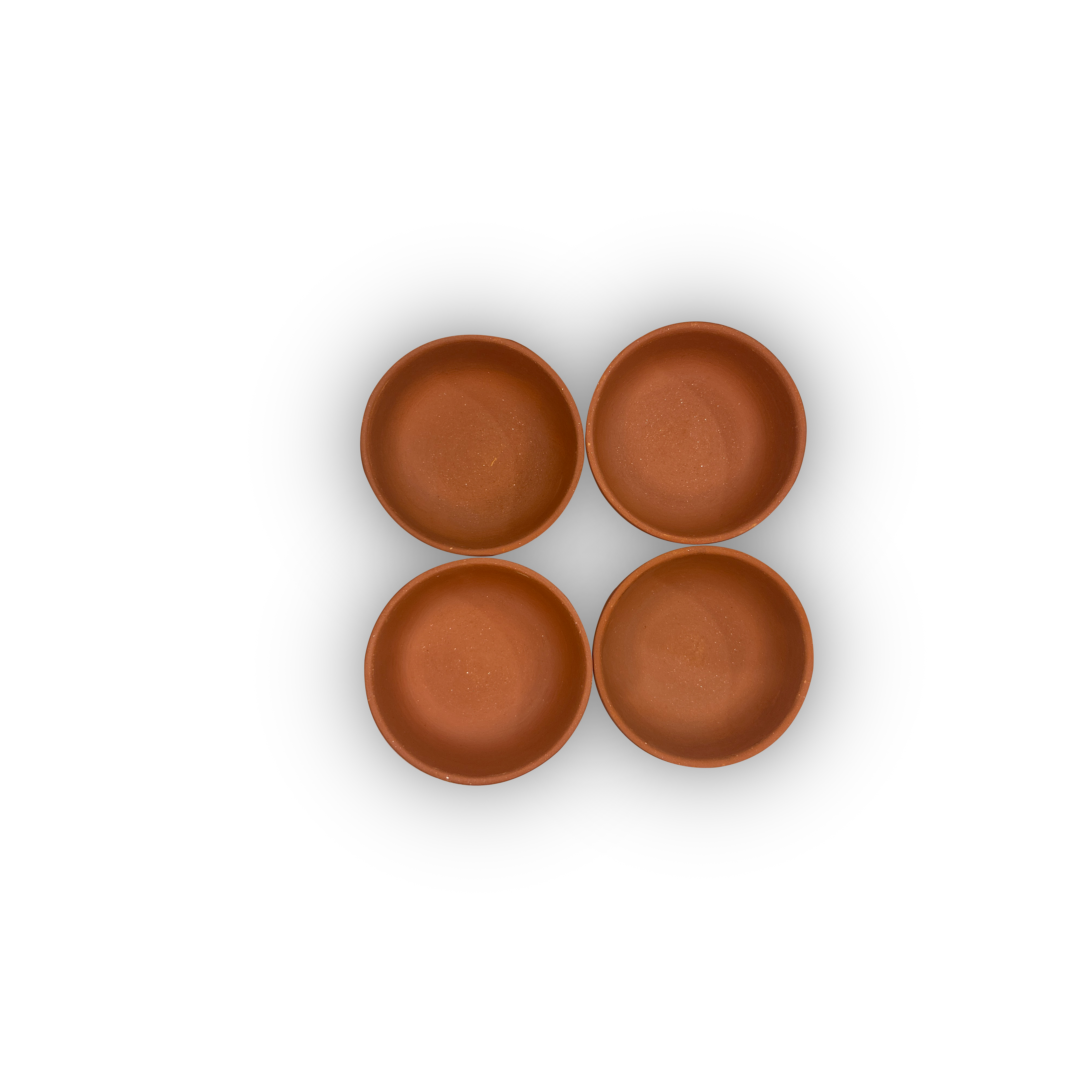
The quality of the terracotta itself matters too. Pots that are inconsistently fired or structurally weak can compromise the slab, which is why sourcing from a supplier with tested, consistent manufacturing standards rather than unverified local stock matters for any serious build.
Where Mud Pot Filler Slabs Work Best
-
Hot and composite climates, where passive cooling meaningfully reduces indoor heat gain
-
Heritage and traditional-style homes, where the exposed terracotta pattern complements brick, lime plaster, and wood detailing
-
Verandas, courtyards, and living spaces, where the ceiling itself becomes a visible design feature rather than something to conceal
-
Budget-conscious sustainable builds, where reduced concrete and steel usage directly lowers material costs
It's worth noting that not every span or heavy-load condition is ideal for filler slabs for certain structural situations, an engineer may recommend alternative filler materials or a conventional slab instead. Treating a Filler Slab as an engineered system, not just a decorative ceiling choice, is what keeps the results reliable.
Frequently Asked Questions
What is a Filler Slab Mud Pot used for?
It's used to replace the non-structural core of an RCC roof slab, reducing concrete and steel consumption while improving thermal comfort and giving the ceiling a natural, exposed terracotta finish.
Is a Terracotta Filler Slab more affordable than a regular concrete roof?
Generally yes. Because filler slabs use significantly less concrete and steel, material costs are typically lower, and the exposed finish also removes the need for a false ceiling or extra plastering.
Does a mud pot filler slab need maintenance?
Very little. Left exposed, the terracotta finish ages naturally and doesn't require the periodic upkeep that painted or plastered ceilings do. A lime wash or clear sealant can be applied if a different look is preferred.
Can Filler Slab construction be used in any climate?
It performs best in hot and composite climates where its insulating properties have the most impact, though it's used across a range of climates for its material and cost efficiency as well.
Final Thoughts
The Filler Slab Mud Pot isn't a compromise between sustainability and structural performance when engineered correctly, it delivers both. It reduces the carbon footprint of a roof, keeps interiors cooler without mechanical cooling, and gives a home a ceiling with genuine handcrafted character. For anyone exploring eco-friendly construction, a well-built Terracotta Filler Slab roof remains one of the most practical places to start.
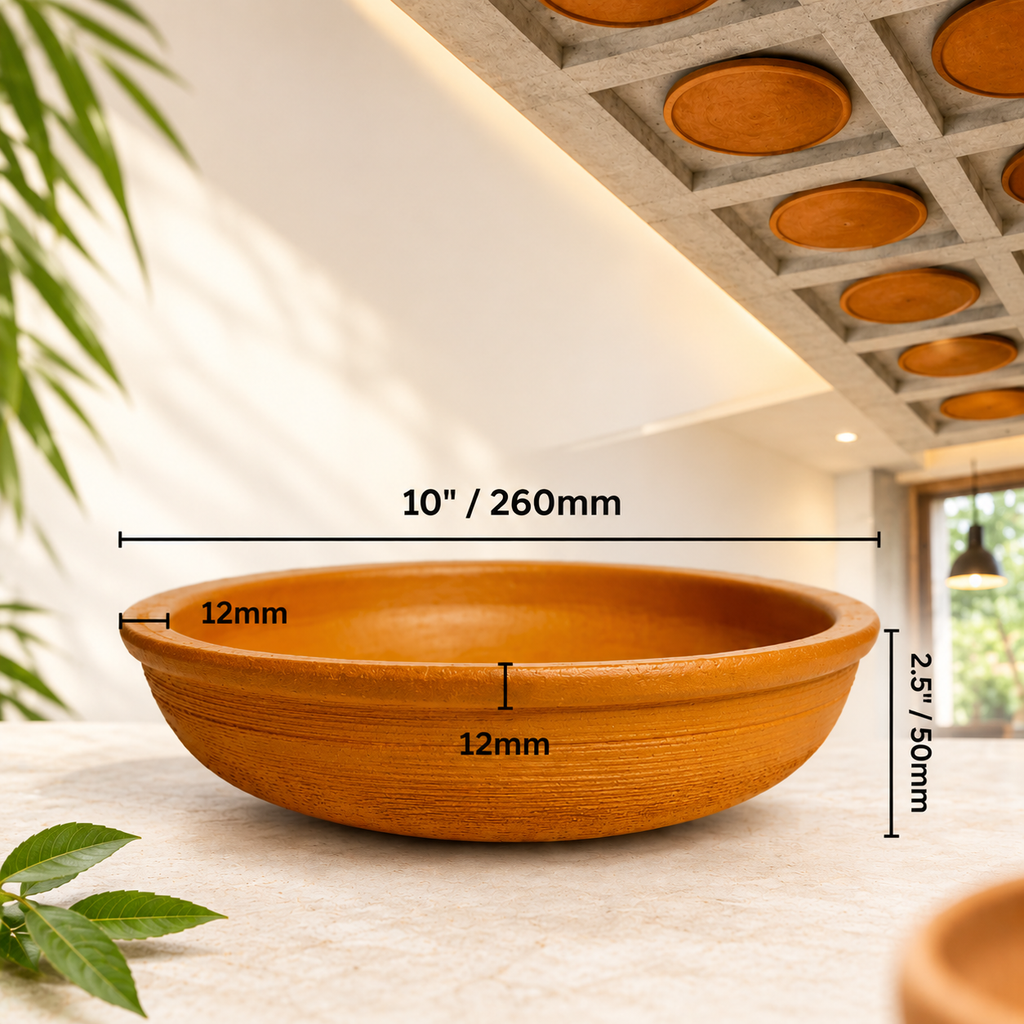
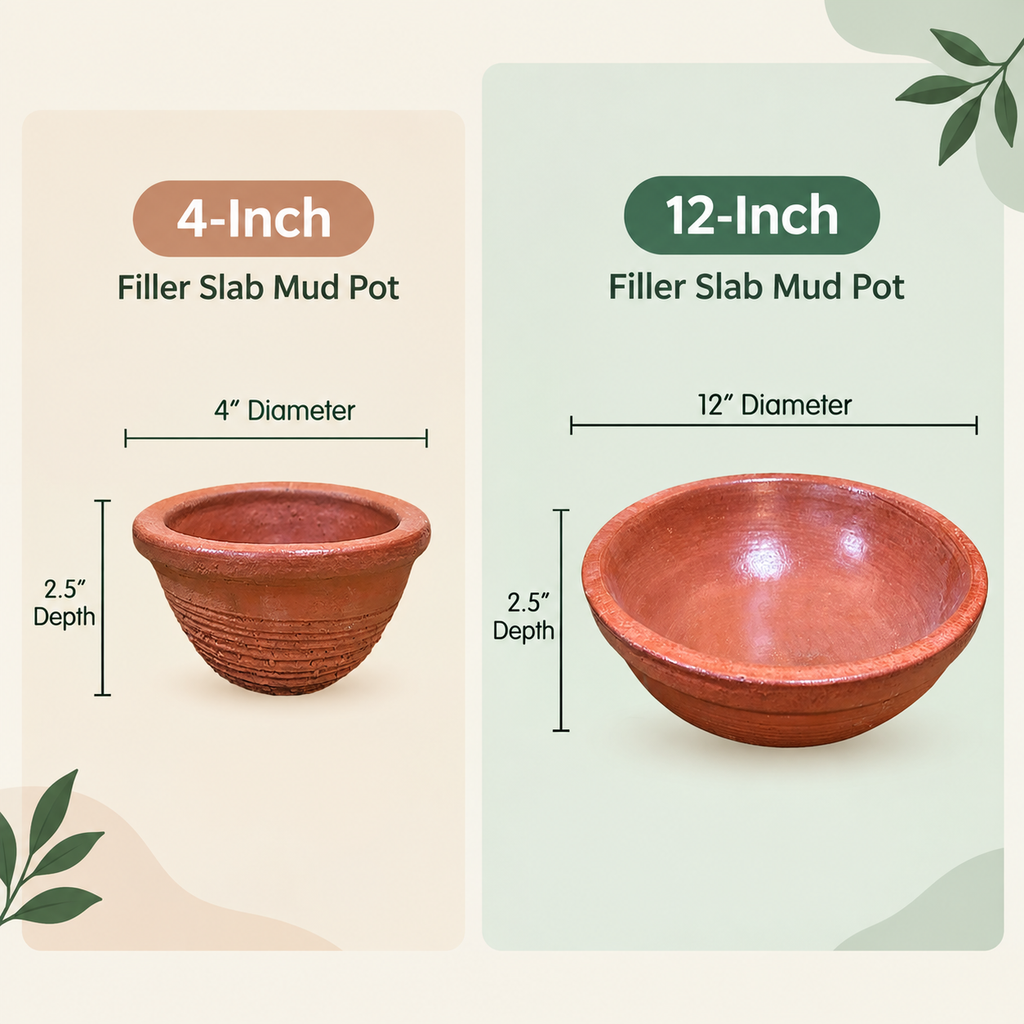
If you're planning a filler slab roof for your next project, Mudkart's terracotta filler slab collection offers consistently fired, quality-tested pots in a range of sizes suited to different slab depths and ceiling patterns.
Related post
28
Sep
28
Sep
31
Aug
RECENT POSTS