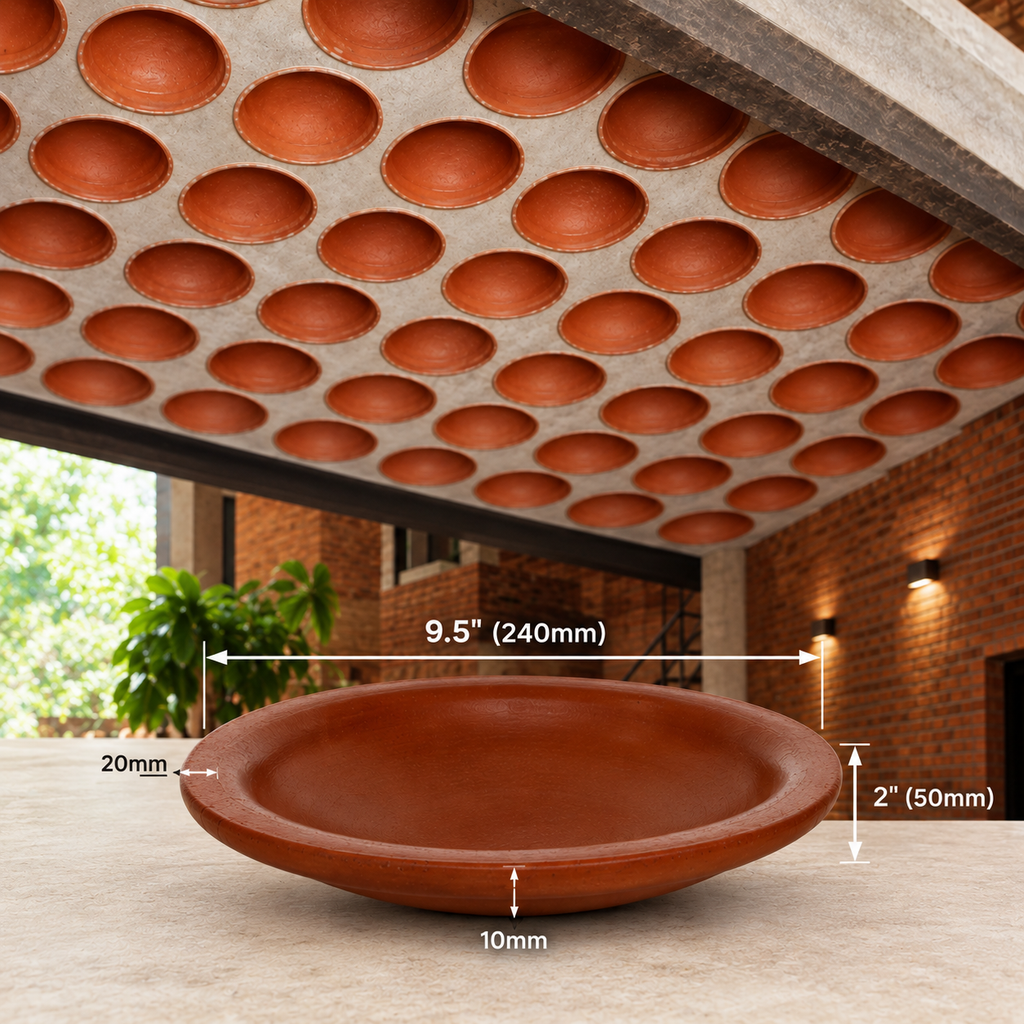
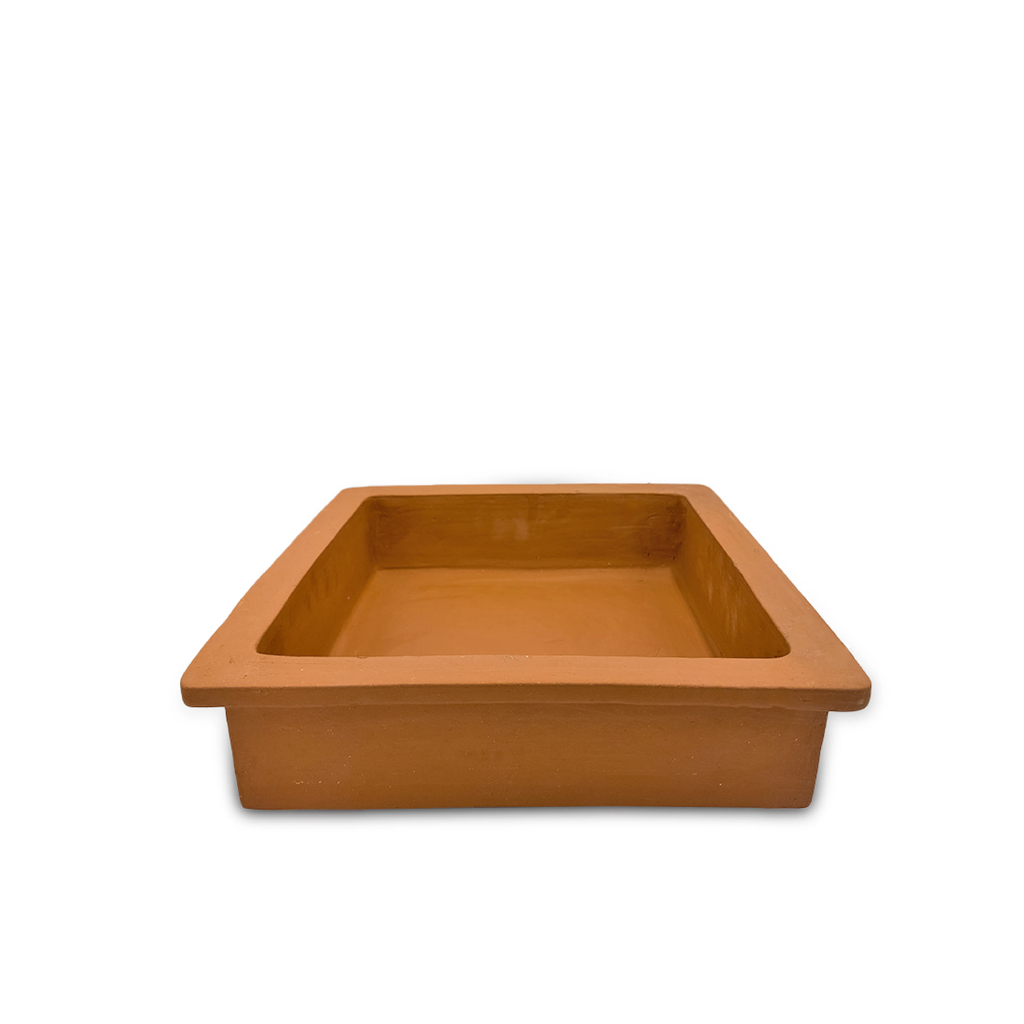
Homa Kundam | Havan Kund | Mudkart
History of Homa Kundam in Vedic Traditions
Explore the history of homa kundam in Vedic traditions from early Agni hymns and yajña rituals to Shrauta and Gṛhya practices and how fire altars evolved into today’s homa ceremonies.
If you have ever been to a wedding, a housewarming pooja, or a temple consecration, you have seen homa kundam. It is the carefully prepared fire altar, which gets offerings of rhythmic chanting, and offerings of ghee and grains. Homa kundam shifts an ordinary place to a deep and sacred space. While a homa kundam can look simple, the story of its importance runs deep into the oldest layers of Vedic ritual culture.
To understand the homa kundam, it helps to start with what the Vedic world considered fire to be: not merely heat and light, but a living medium of transformation.
Fire as the Original “Bridge” in Vedic Religion
In Vedic terms, Agni (fire) is central, not just the physical phenomenon, but as a presence evoked through sacred hymns and rituals. According to the vedic rituals, the sacred fire functions as a carrier or “messenger” of offerings to the divine realm.
This ritual, offering into fire as a practice of devotion, exchange, and cosmic order, became one of the defining features of Vedic practice. Over time, what began as a story of fire evolved into a stronger force described in the Vedic literature.
In other words: before there was an ornate temple culture, there was the fire altar.
From Yajña to Homa: How the Ritual Grammar Evolved?
In Hindu practice today, “homa” is often used for fire rituals conducted on auspicious occasions. Scholarly summaries describe homa as rooted in the Vedic religion. The use of “homa’ runs across millennia, with a recognised ritual process, such as preparing the sacred space, kindling the fire, reciting mantras, and offering substances such a s ghee, grains, herbs, and other materials into the flame.
This is where homa kundam becomes more than an altar or a container. In many homa procedures, the altar is constructed for the occasion. It is often in square shape. The ritual space is dismantled afterwards, reinforcing an idea of a temporary and purpose-built sacred zone for prayers.
The term is straightforward in modern usage. The “homa” refers to the fire of offering and the “kundam” refers to the pit/altar where the fire is established. Contemporary explanations describe homa kundam as a consecrated fire altar, in square or pyramid-shape, used for prayers and performing holy rites.
Shrauta and Gṛhya: the Two “Worlds” of Vedic Fire Practice
Historically, Vedic fire ritual developed along two broad tracks:
-
Śrauta rituals: large, public ceremonies grounded in śruti (revealed texts) and requiring multiple priests and elaborate altar constructions.
-
Smaller, domestic (often called gṛhya/smārta) rituals: household-level rites conducted for life passages and daily obligations, using a more compact altar setup.
The homa kundam as most people know it today maps closely to the domestic, event-based form of fire ritual, more intimate than grand śrauta ceremonies, yet still tied to the same conceptual foundation: fire as the transforming agent and the ritual center.
A classic example that shows the continuity is Agnihotra, a Vedic-age fire offering tradition centered on oblations (often ghee) into the sacred fire, described as Vedic in origin and preserved in certain ritual lineages. While not every modern homa follows strict Agnihotra procedure, the underlying logic, fire, mantra, offering, remains recognizably shared.
The Geometry and Symbolism of the Altar
Homa kundam is rarely treated just as a pit. That’s why the homa kundam is so visually striking in shape and appearance. The altar is a symbolic model of cosmology, a structured space where offerings, sound, and transformation are coordinated in a process. It represents a link between human intention and the divine order.
Even the symmetrical shape, which is often square, isn’t accidental in the ritual logic. The shape and appearance reinforces ideas of order, stability, and the right arrangement. In modern practice, the homa kundam may have taken other shapes for ritual correctness, even when it’s constructed with portable materials like metal or bricks.
How Homa Spread and Adapted Across India and Beyond?
Homa kundam is spread strictly through Vedic/hindu contexts. Researchers found that homa-style fire rituals are adopted and adapted by Buddhist and Jain traditions as well. This doesn’t dilute the Vedic origins, it only highlights how compelling the ritual technology was. Fire, considered as a universal, visible medium for devotion and transformation can be easily integrated into multiple religions.
The Homa Kundam Today: Heritage that Still Functions
Modern homas can look different based on their region, lineage, and purpose. Some homa kundams are highly Vedic in style, others are more temple-centered. It remains the anchor of a ritual space refined over centuries to make devotion visible, structured, and shared. It turns something abstract, prayer, intention, and gratitude, into an act one can see, feel, and gather around.
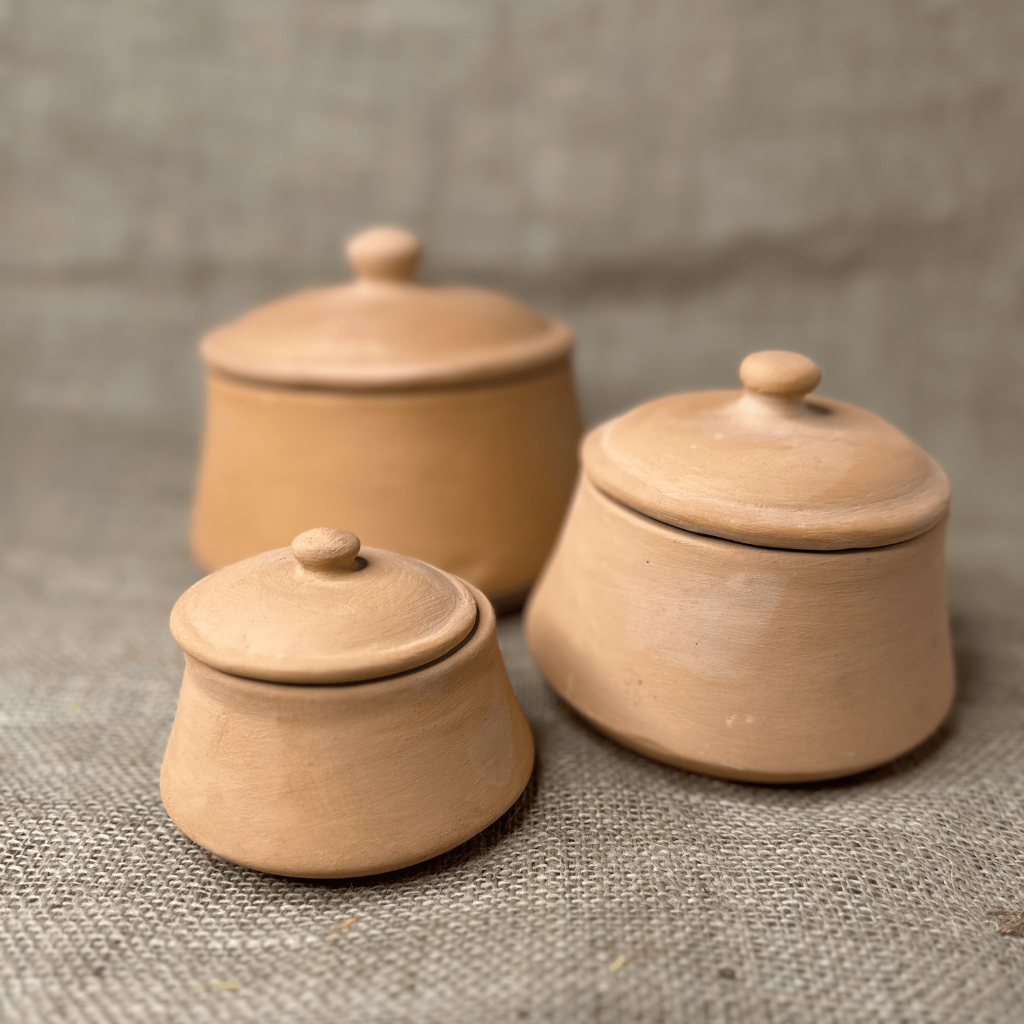
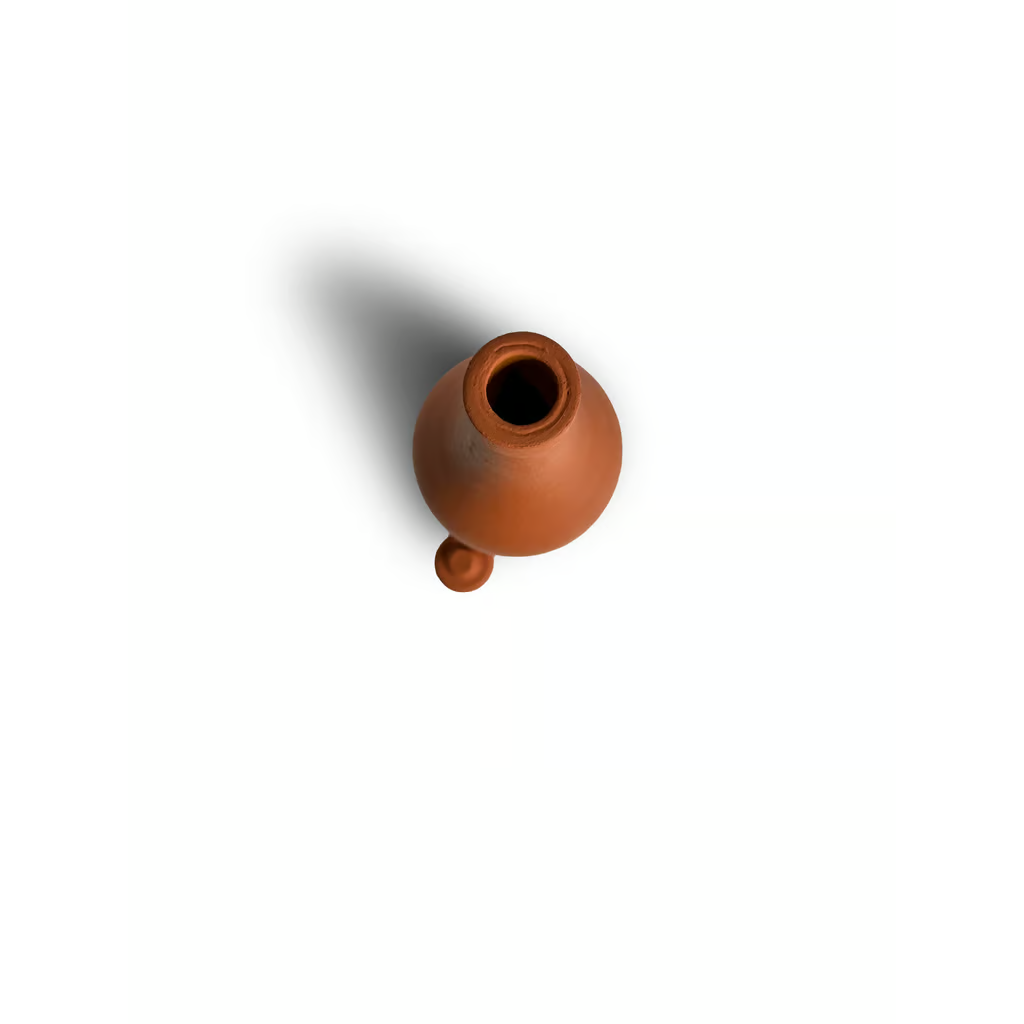
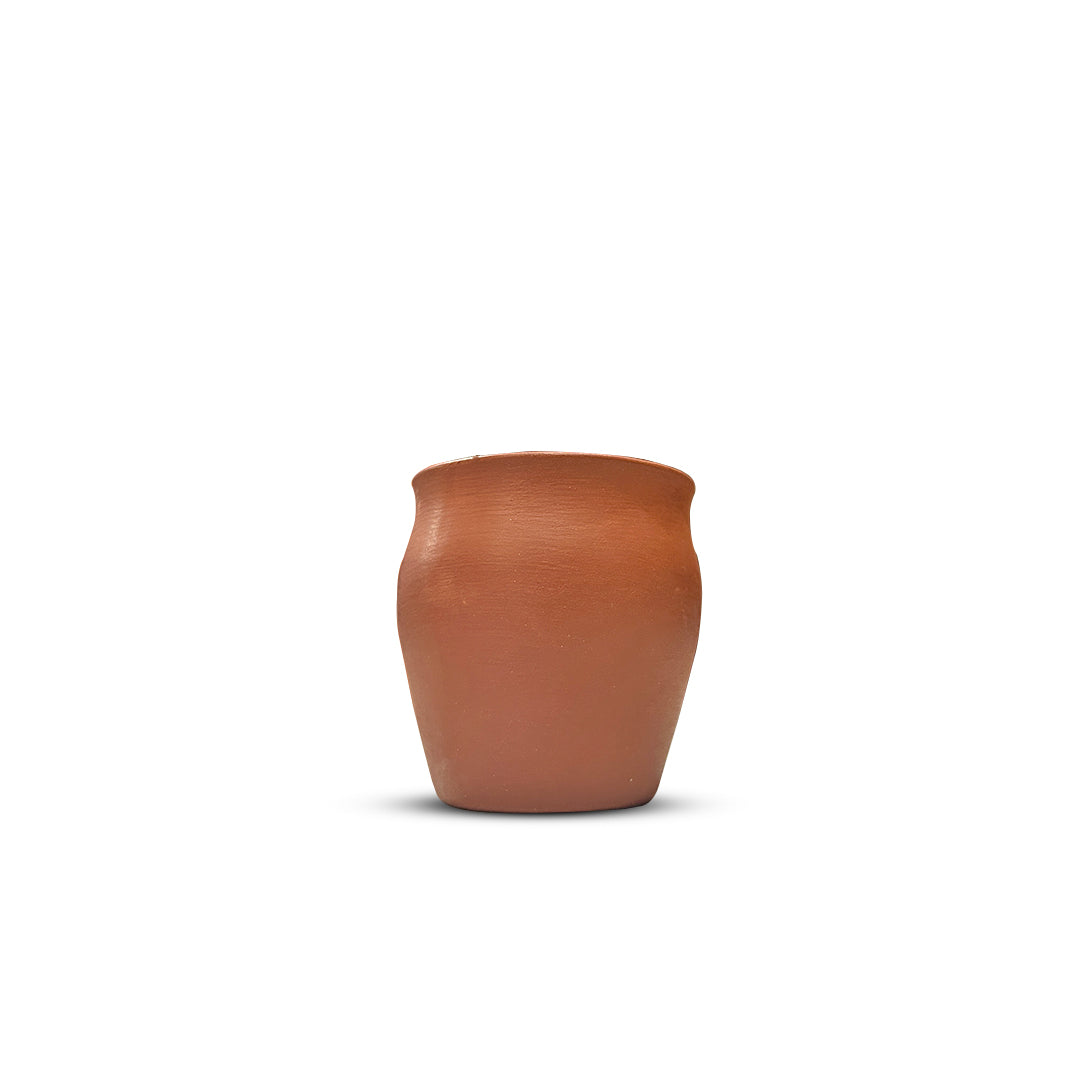
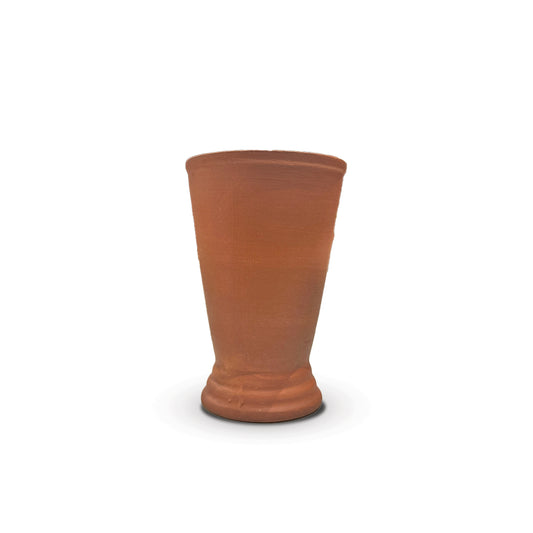
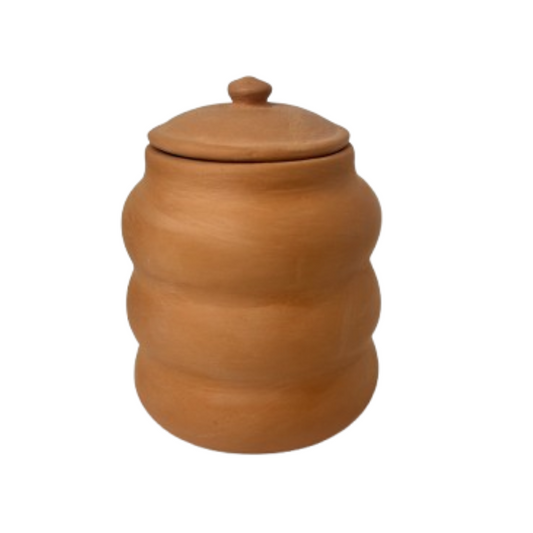
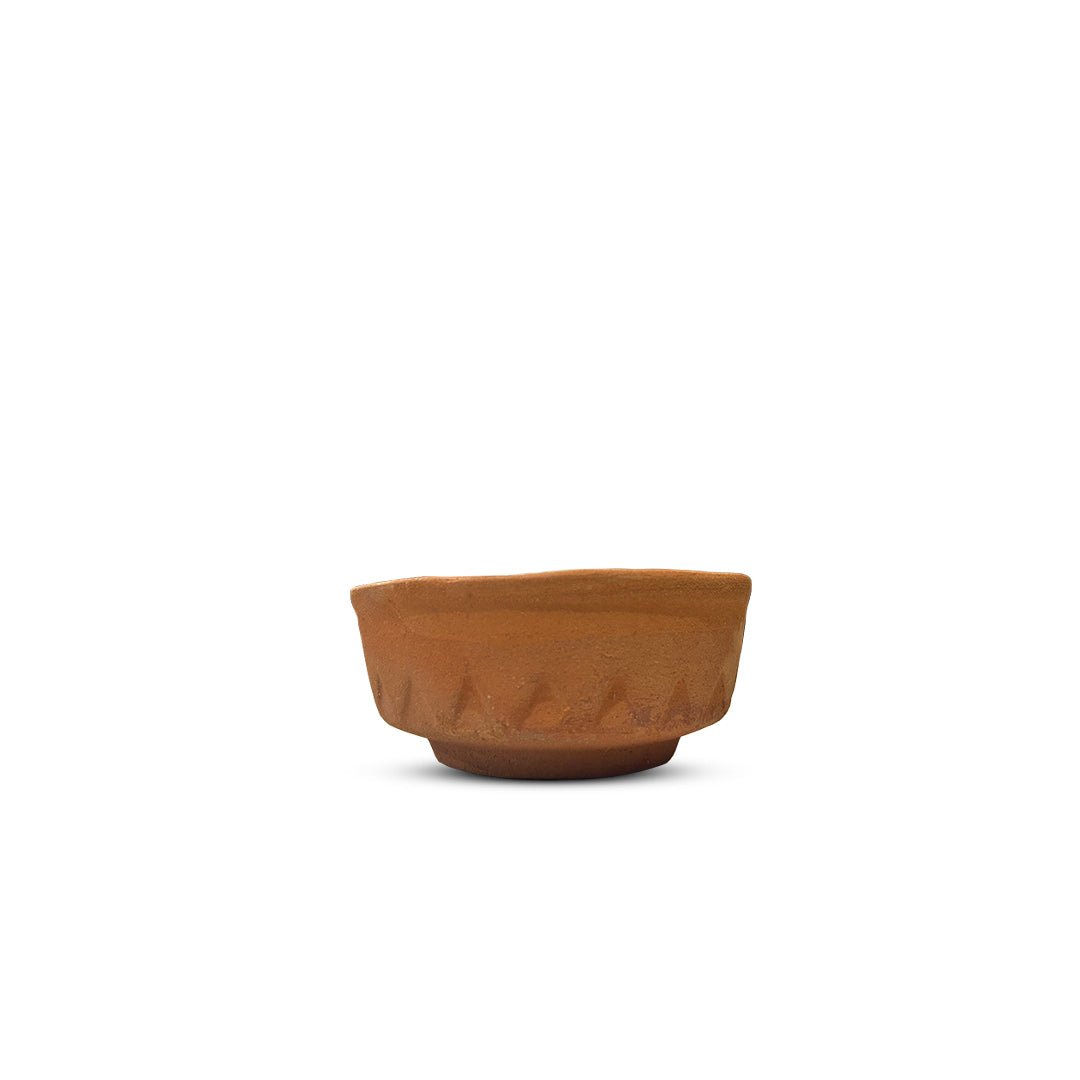
If you are looking for an earthen homa kundam for an auspicious occasion, check out our collection now: Mudkart.
Related post
28
Sep
28
Sep
31
Aug
RECENT POSTS