
Filler Slabs | Mudkart
Budget-Friendly Housing: Why Choose a Classic Filler Slab?
Discover how filler slabs reduce construction costs and improve sustainability in budget-friendly housing with efficient and eco-friendly building methods.
Building a home today involves balancing cost, durability, and sustainability. Rising material prices and construction expenses have encouraged homeowners and architects to explore smarter alternatives to conventional concrete slabs. One such solution gaining attention in budget-conscious housing projects is the use of Filler Slabs. This traditional yet innovative construction method reduces material consumption while maintaining structural strength, making it an excellent choice for economical housing.
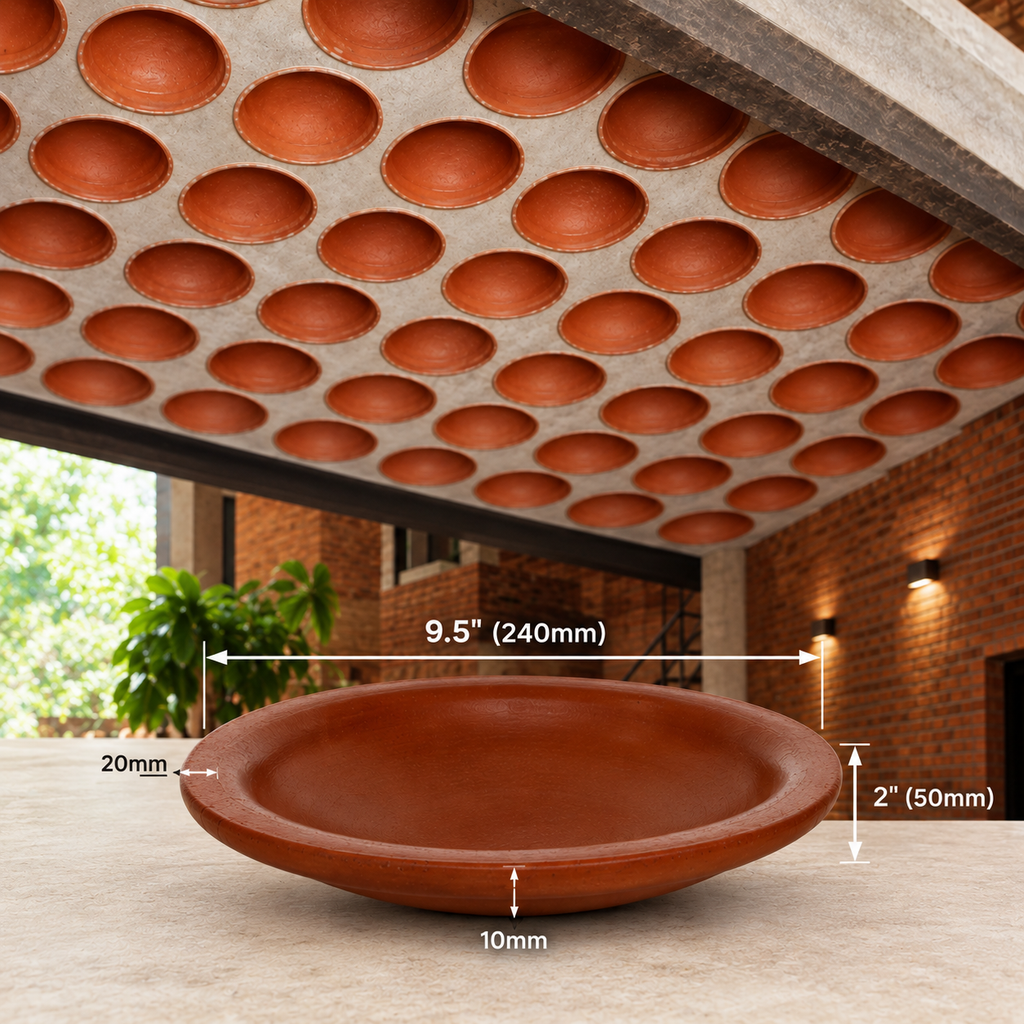
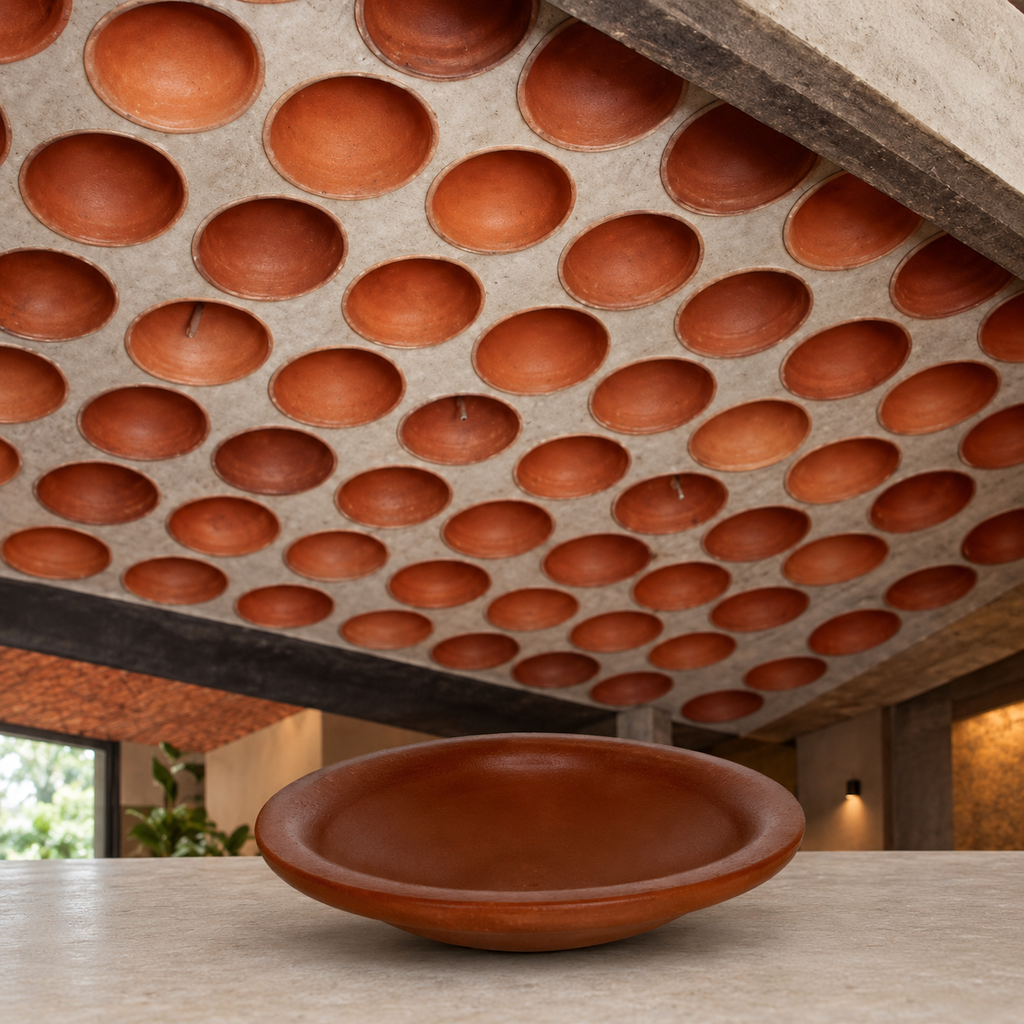
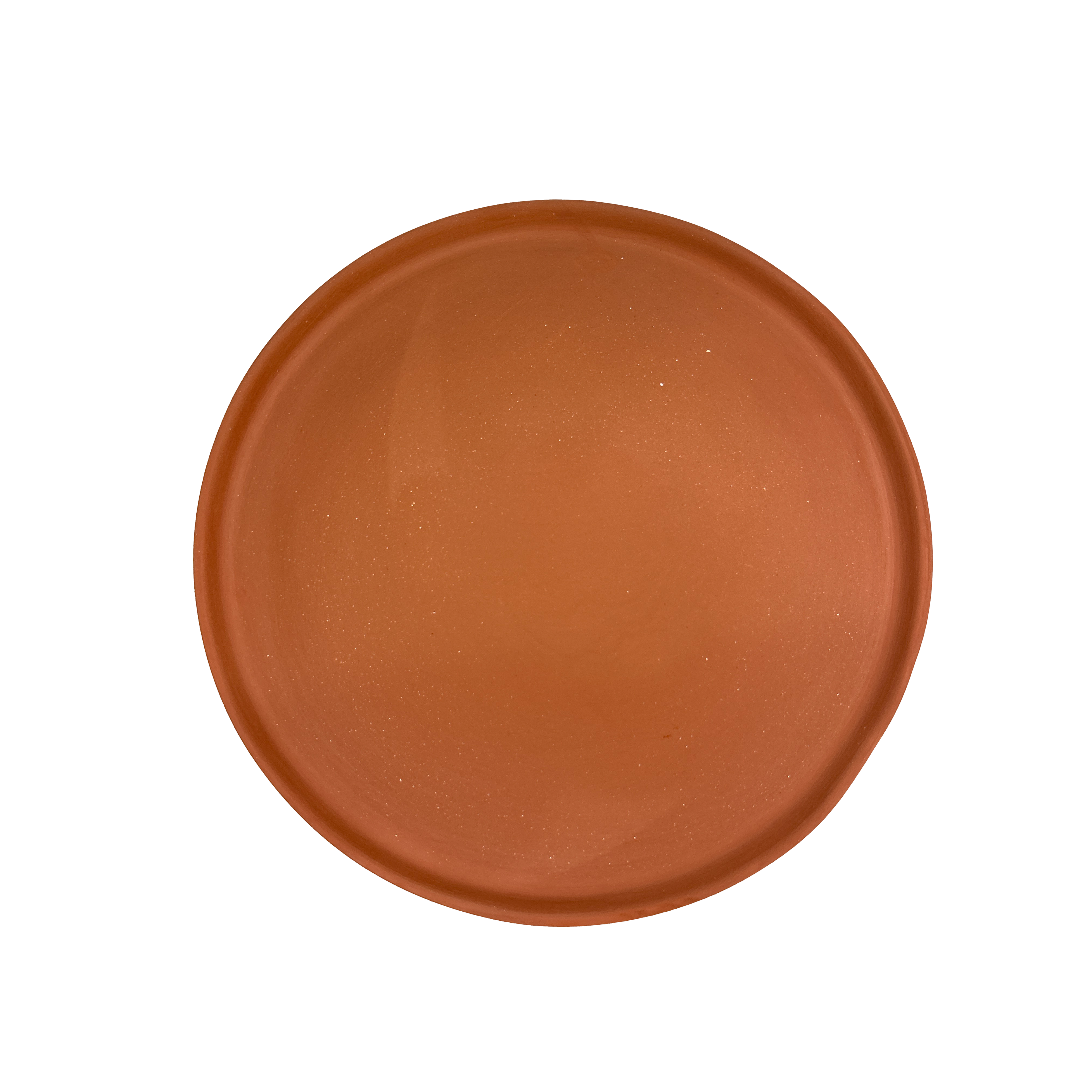
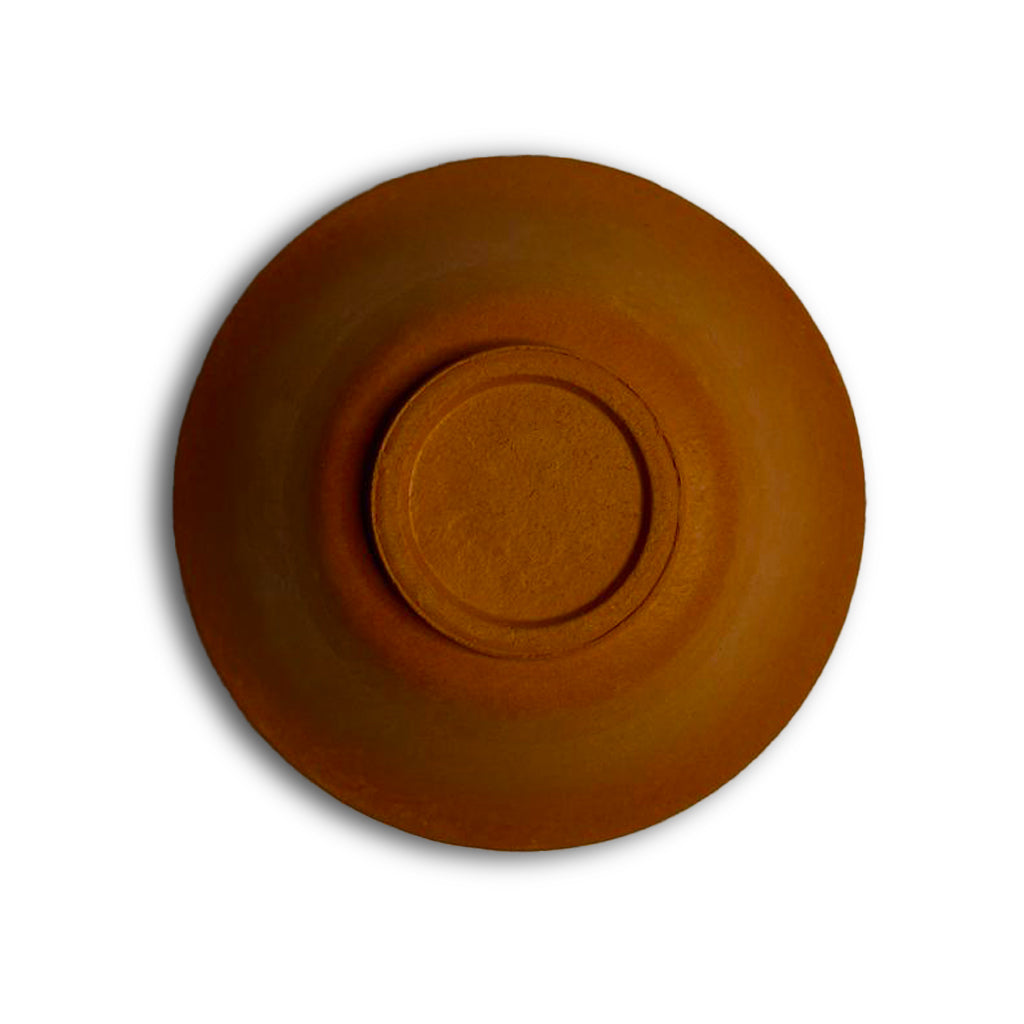
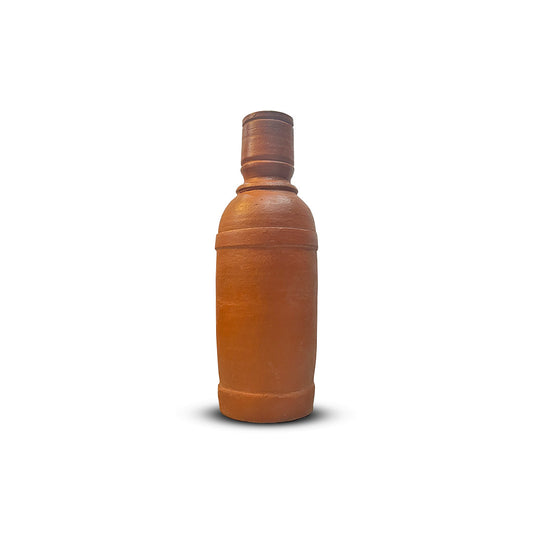
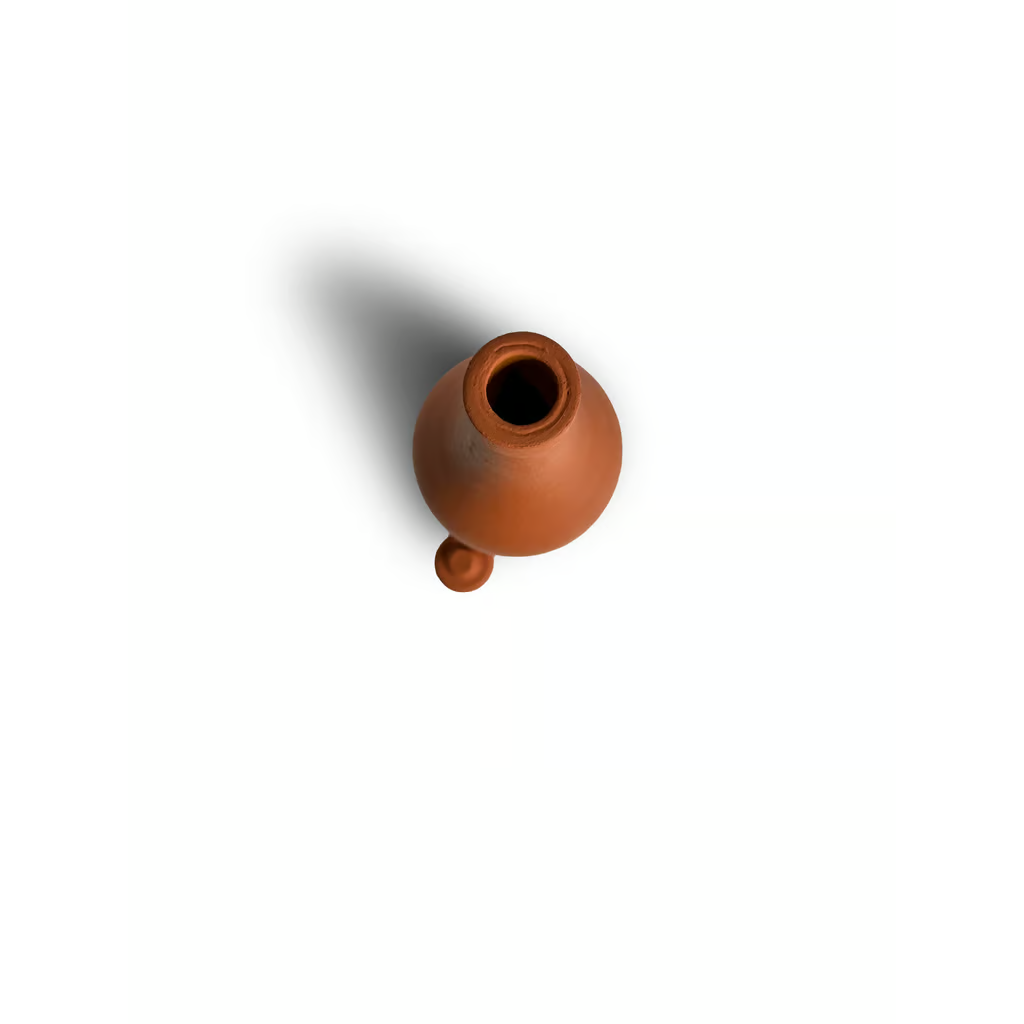
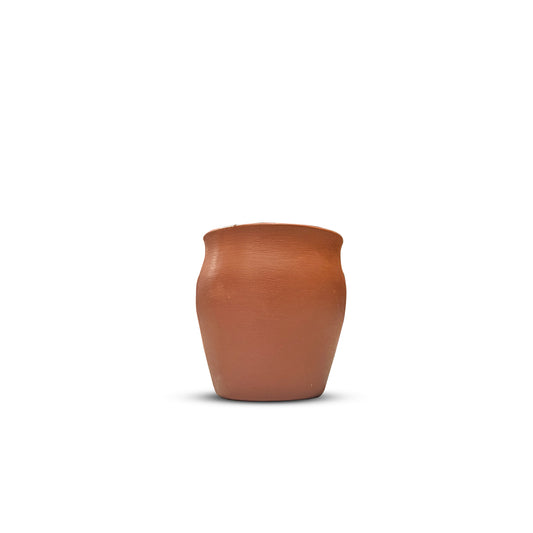
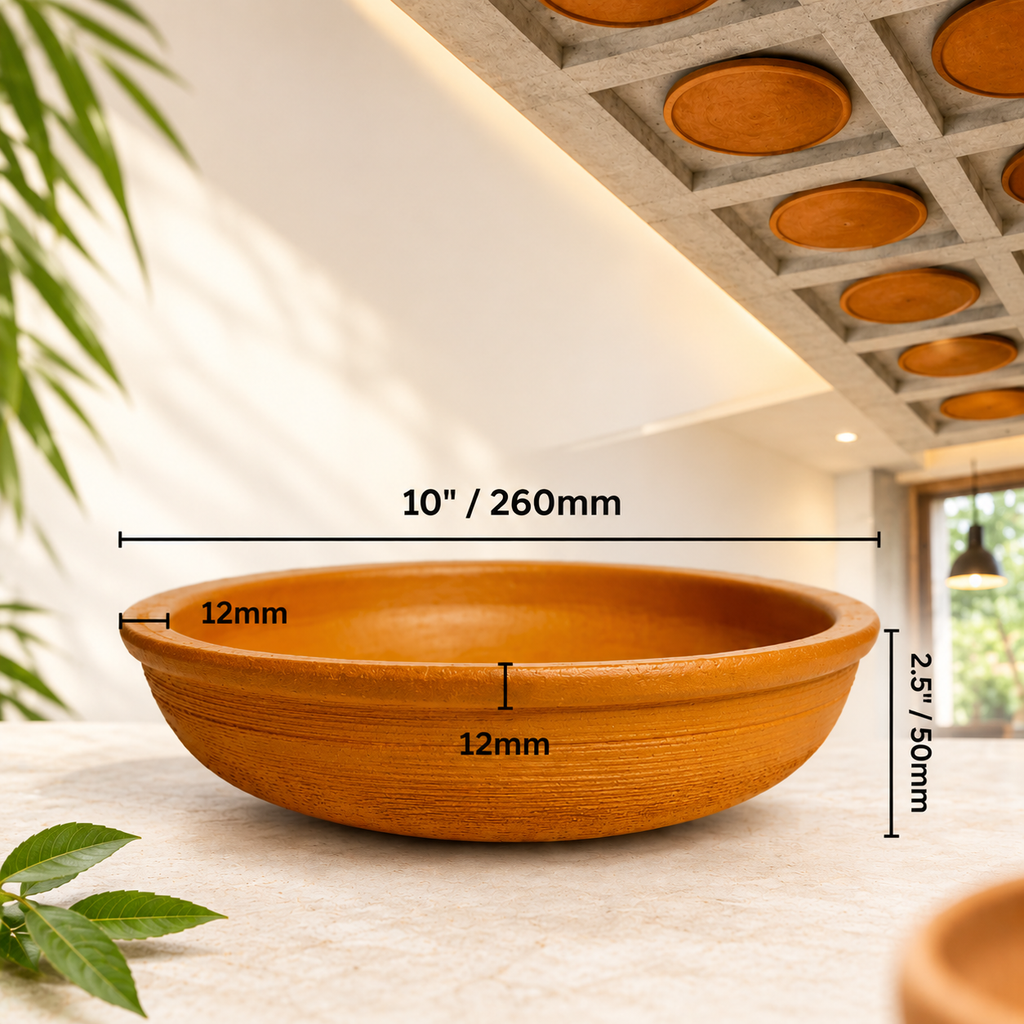
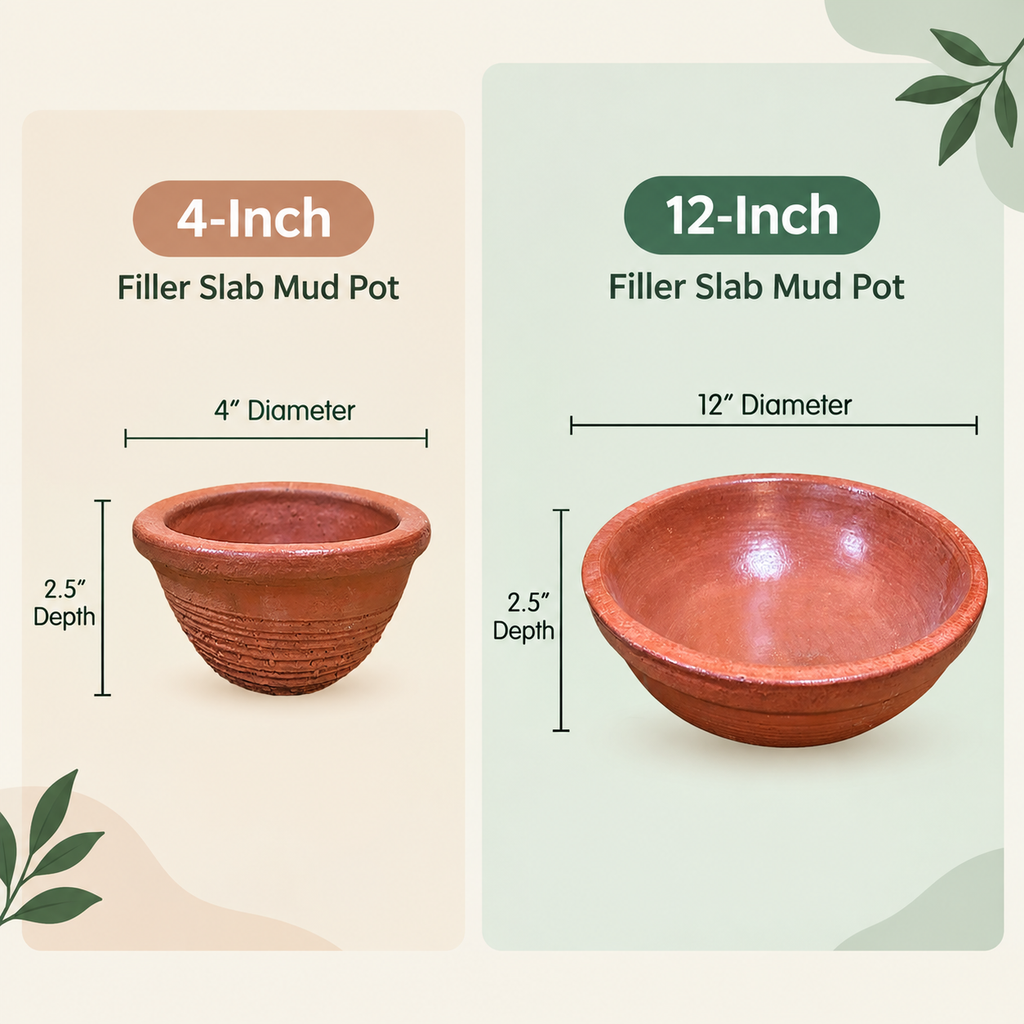
A filler slab replaces portions of concrete in the slab with low-cost filler materials such as clay tiles, terracotta blocks, or bricks. Since concrete in the tension zone of a slab contributes less to structural strength, these areas can be replaced with lightweight fillers without compromising safety. This approach reduces both material costs and environmental impact, making it suitable for modern sustainable housing.
Lower Construction Costs
One of the biggest advantages of filler slab construction is cost reduction. Concrete and steel are among the most expensive components in any building project. By reducing the volume of concrete used in the slab, homeowners can significantly lower overall construction expenses.
Filler materials such as clay tiles and terracotta blocks are usually affordable and locally available. This helps minimize transportation costs and supports local craftsmanship. Many builders find that Filler Slabs can reduce slab construction costs by a noticeable margin without affecting structural reliability.
For families planning budget-friendly homes, these savings can make a significant difference while still maintaining quality construction.
Structural Strength and Durability
Despite being economical, filler slabs remain structurally sound when designed correctly. Engineers calculate load distribution carefully to ensure that the slab meets safety standards and performs just as well as conventional reinforced concrete slabs.
The filler materials act mainly as space fillers and do not carry significant structural loads. The reinforced concrete ribs between fillers provide the required strength and stability.
Well-constructed filler slabs can last for decades with minimal maintenance, making them a reliable long-term investment for homeowners.
Improved Thermal Comfort
Filler slab construction also offers better thermal performance compared to solid concrete slabs. Materials such as clay and terracotta have natural insulating properties that help regulate indoor temperatures.
Homes built using Filler Slabs often stay cooler in hot climates and retain warmth better during cooler months. This natural insulation reduces the need for artificial cooling and heating, leading to lower energy consumption.
Improved thermal comfort makes filler slabs particularly suitable for regions with warm climates.
Sustainable and Eco-Friendly Construction
Sustainability is becoming an important factor in construction decisions. Filler slabs reduce the use of cement and steel, both of which have high environmental footprints.
Using natural materials such as terracotta or clay further enhances sustainability. These materials are biodegradable and require less energy to produce compared to industrial construction materials.
Reducing material usage also means less construction waste, contributing to a more environmentally responsible building process.
Aesthetic Appeal
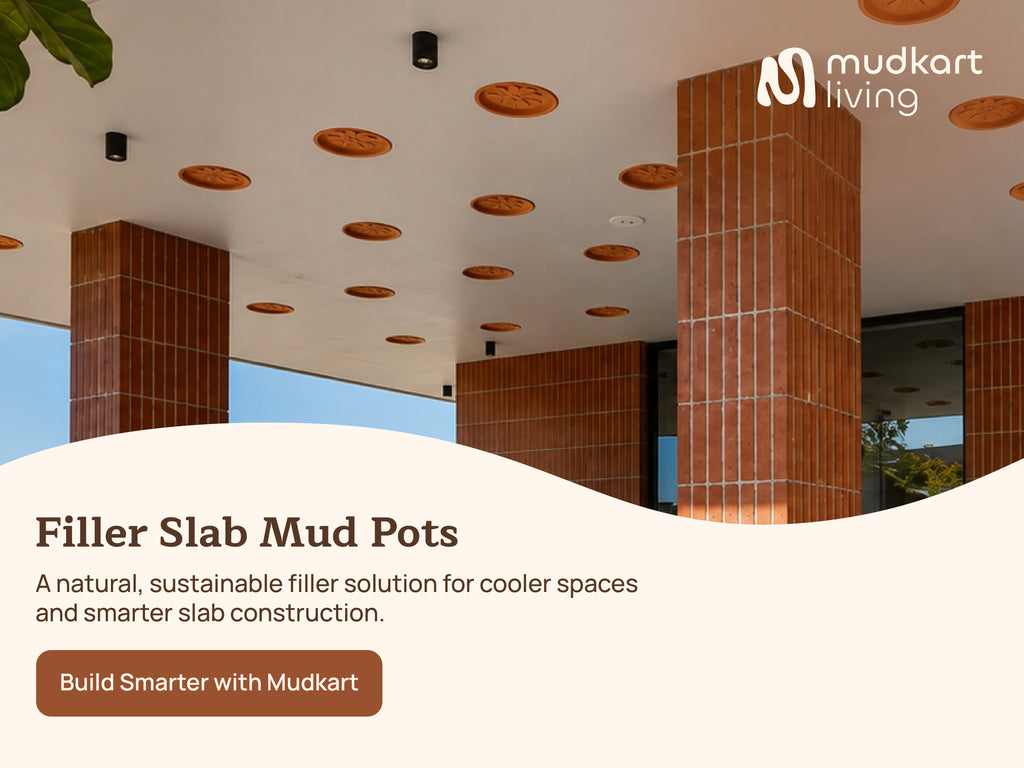
Filler slabs are not only functional but also visually appealing. The exposed patterns created by clay tiles or terracotta blocks can give ceilings a warm and distinctive look.
Many homeowners appreciate the natural textures and traditional character that filler slabs bring to interiors. This eliminates the need for false ceilings or additional finishing in many cases, resulting in additional cost savings.
The combination of beauty and practicality makes filler slabs attractive for both traditional and contemporary homes.
Ideal for Budget-Friendly Housing
For homeowners looking to build affordable houses without compromising quality, filler slabs offer an excellent solution. They reduce costs, improve energy efficiency, and support sustainable construction practices.
Architects and builders increasingly recommend filler slab construction for small homes, eco-friendly projects, and rural housing initiatives. The technique combines traditional wisdom with modern engineering practices.
With proper planning and skilled workmanship, filler slab construction can provide long-term value and comfort.
Conclusion
Budget-friendly housing requires smart design decisions that balance cost, quality, and sustainability. Filler slab construction offers a practical way to reduce expenses while maintaining durability and comfort. This method allows homeowners to build efficiently without compromising structural integrity or environmental responsibility.
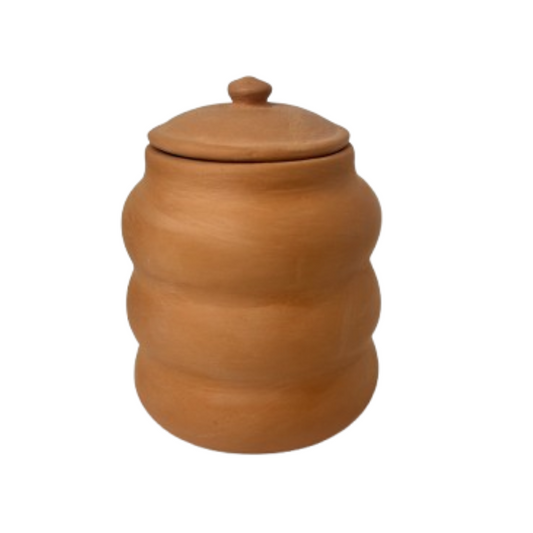
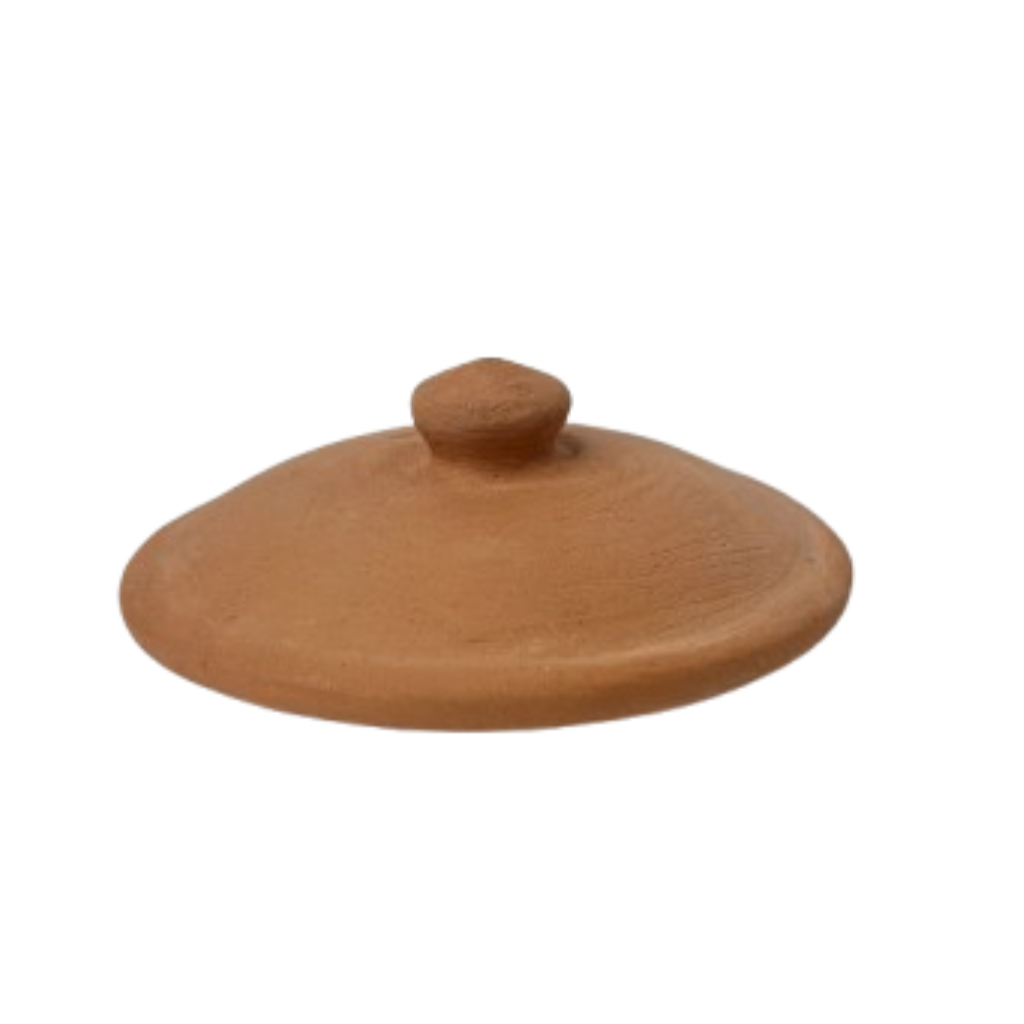
Mudkart Living offers a range of terracotta fillers and handcrafted building materials that support filler slab construction. Our products combine traditional craftsmanship with sustainable practices, helping you create homes that are cost-effective, eco-friendly, and aesthetically appealing.
Related post
28
Sep
28
Sep
31
Aug
RECENT POSTS