
Tulsi Vrindavan | Mudkart
Tulsi Vrindavan in Vastu Shastra: Ideal Placement & Direction
Learn the ideal placement and direction of Tulsi Vrindavan according to Vastu Shastra to bring positivity, harmony, and spiritual balance into your home.
In many Indian homes, the Tulsi plant holds deep spiritual and cultural significance. Considered sacred in Hindu tradition, Tulsi is believed to bring positive energy, health, and prosperity into the household. A dedicated Tulsi Vrindavan, the traditional structure that houses the Tulsi plant, is not only a symbol of devotion but also an important element in Vastu Shastra. Proper placement of a Tulsi Vrindavan is believed to enhance harmony and promote a balanced living environment.
Vastu Shastra emphasizes the importance of direction, placement, and energy flow within a home. When positioned correctly, a Tulsi Vrindavan is believed to purify the surroundings and create a spiritually uplifting atmosphere. Understanding the right placement can help homeowners maintain both traditional values and positive energy in their living spaces.
Ideal Direction for Tulsi Vrindavan
According to Vastu principles, the most suitable direction for placing a Tulsi Vrindavan is the north, northeast, or east side of the house. These directions are associated with positive energy and spiritual growth. Placing the Tulsi plant in these areas allows it to receive adequate sunlight, which is essential for its healthy growth.
The northeast corner, often considered the most sacred direction in Vastu, is especially recommended. A Tulsi Vrindavan placed here is believed to bring peace and prosperity to the household while maintaining spiritual balance.
Avoid placing the Tulsi plant in the south direction, as this area is generally associated with heavier energies in Vastu. Choosing the right direction helps maintain the symbolic and energetic importance of the Tulsi plant.
Suitable Locations Around the House
The placement of the Tulsi Vrindavan within the home environment is just as important as the direction. Traditionally, it is placed in the front courtyard or entrance area, where it receives sunlight and remains visible as a symbol of auspiciousness.
Balconies and terraces are also suitable locations, especially in modern apartments where outdoor space may be limited. A well-positioned Tulsi Vrindavan in these areas helps maintain the traditional presence of the Tulsi plant even in compact urban homes.
If space allows, placing the Tulsi plant in an open courtyard is considered ideal. This allows proper airflow and sunlight, which supports both the health of the plant and the positive energy associated with it.
Height and Structure Considerations
A traditional Tulsi Vrindavan is often built on a raised platform. This elevated structure symbolizes respect and importance while also protecting the plant from damage.
The structure should be stable and proportionate to the surrounding space. A well-designed Tulsi Vrindavan enhances the aesthetic appeal of the home while maintaining its spiritual significance.
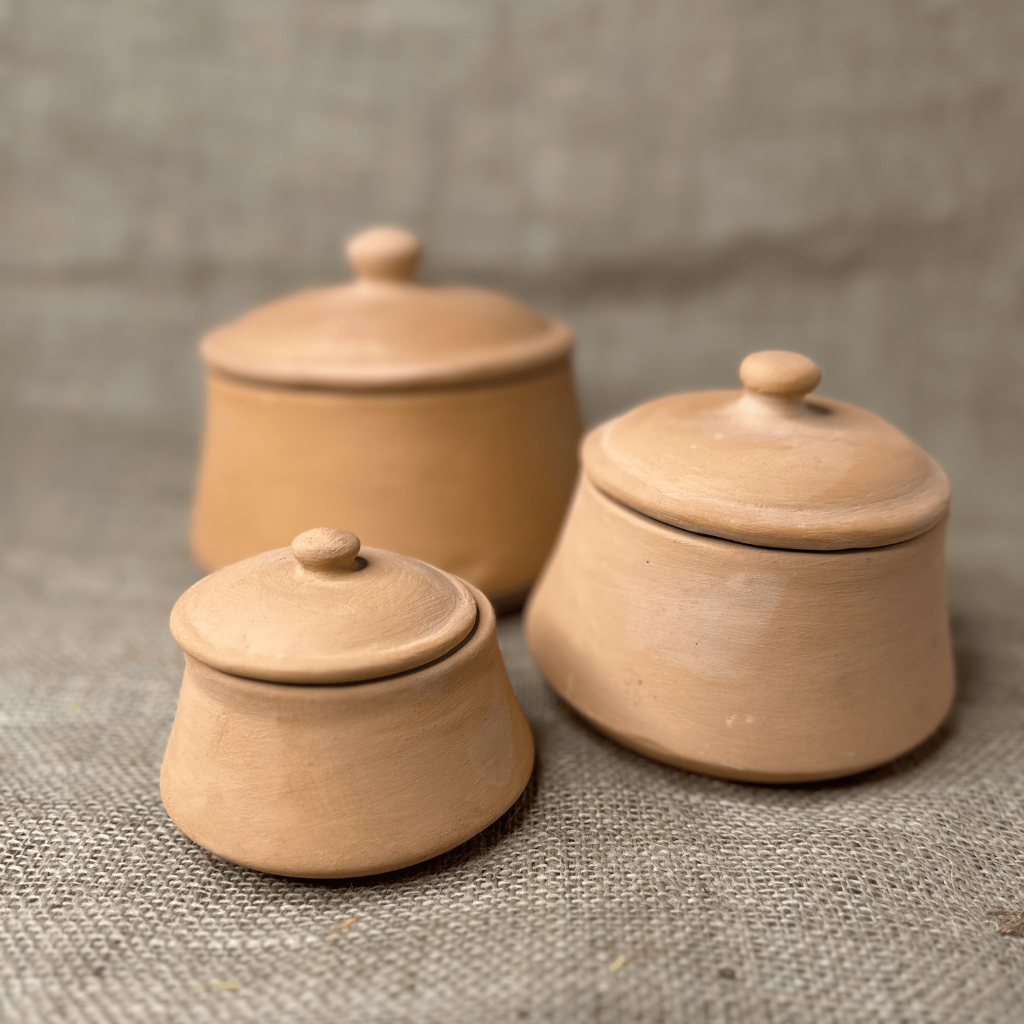
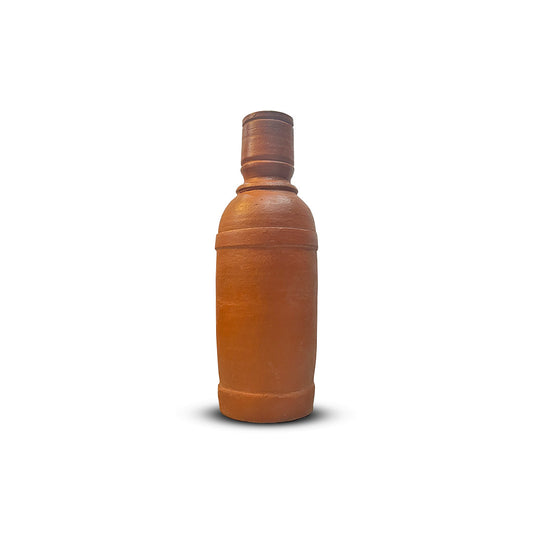
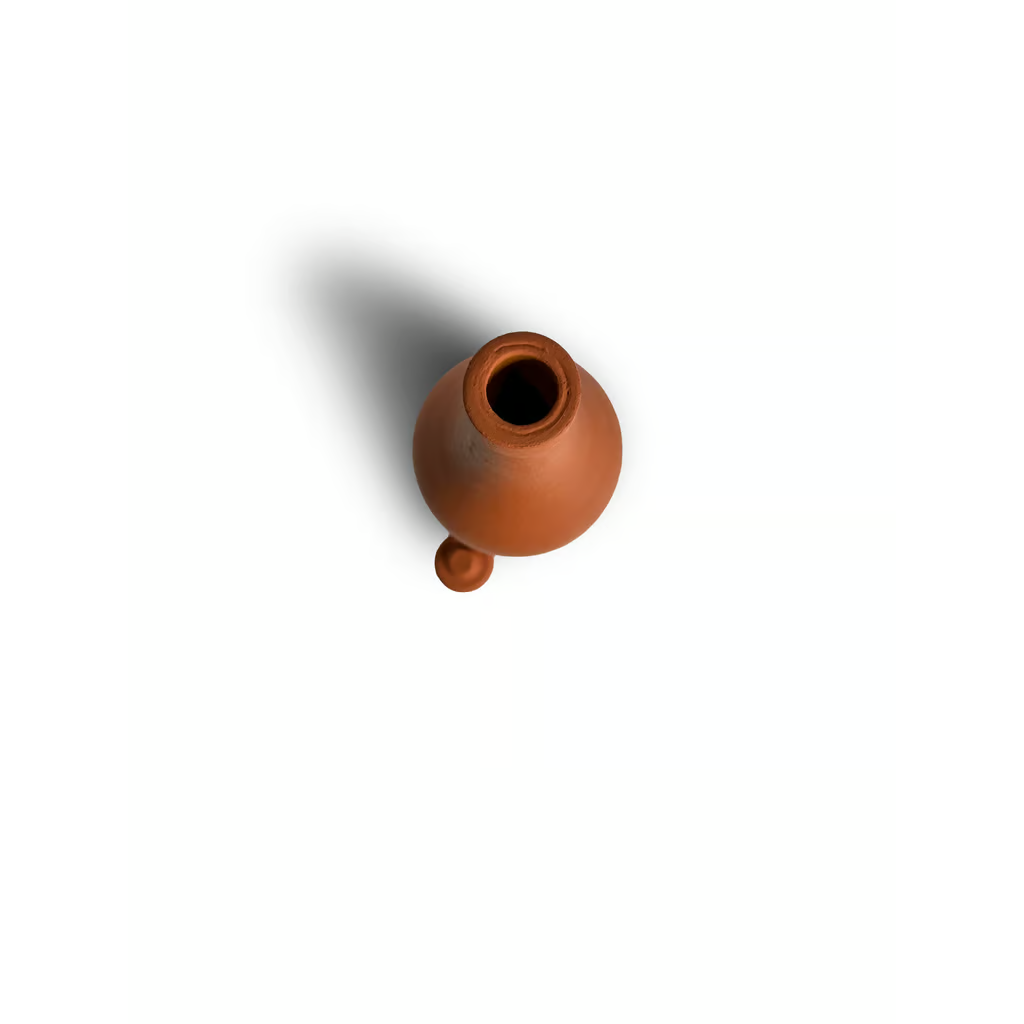
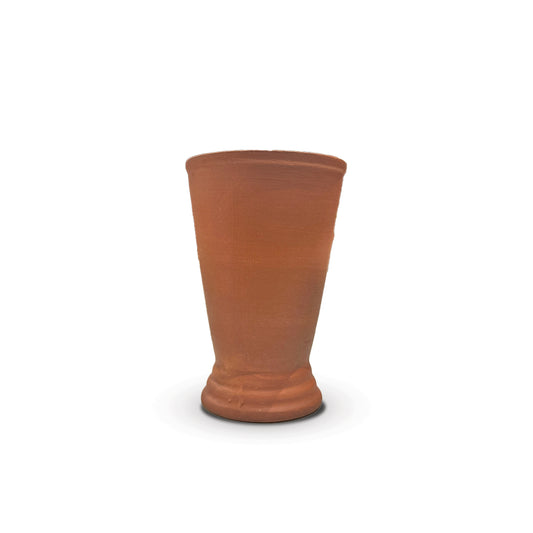
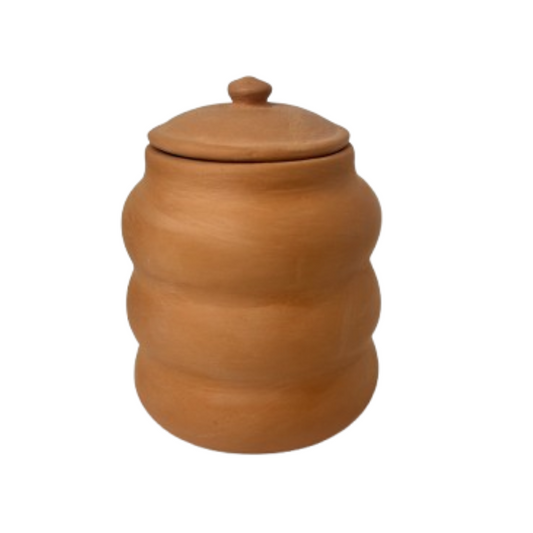
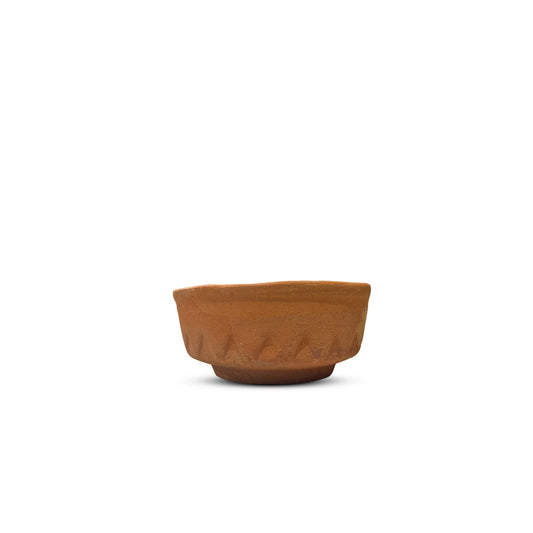
Terracotta or clay structures are often preferred because they are natural and blend well with traditional architecture. Natural materials are also believed to enhance the positive energy associated with the Tulsi plant.
Vastu Tips for Maintaining Tulsi
Maintaining the Tulsi plant properly is also important in Vastu practice. The plant should be watered regularly and kept clean to maintain its vitality and positive influence.
Lighting a lamp near the Tulsi plant during evening prayers is a traditional practice that symbolizes devotion and spiritual connection. Keeping the area around the Tulsi Vrindavan clean and uncluttered is believed to support positive energy flow.
Healthy plants are considered a sign of prosperity and wellbeing. Regular care ensures that the Tulsi plant continues to thrive and fulfill its symbolic role.
Common Placement Mistakes to Avoid
Some placement mistakes can reduce the positive impact associated with Tulsi. Placing the plant in dark or enclosed spaces may restrict its growth and limit its symbolic significance.
Avoid placing the Tulsi Vrindavan near bathrooms or waste disposal areas. These locations are considered unsuitable in Vastu as they may disturb the purity associated with the plant.
Similarly, placing heavy objects or storage items around the Tulsi plant should be avoided. Keeping the space open and clean helps maintain a peaceful environment.
Cultural and Spiritual Importance
The Tulsi plant has long been associated with purity and devotion in Indian households. Daily rituals around the Tulsi plant often bring families together and create a sense of spiritual continuity.
Beyond its religious significance, the Tulsi plant is also known for its medicinal properties and air-purifying qualities. A Tulsi Vrindavan therefore represents both spiritual and practical benefits within the home.
Incorporating a Tulsi Vrindavan into modern homes allows families to preserve traditional values while maintaining a peaceful and balanced environment.
Conclusion
Proper placement of a Tulsi Vrindavan according to Vastu principles can help create a harmonious and spiritually uplifting home environment. Choosing the right direction and maintaining the plant carefully ensures that the Tulsi plant continues to symbolize positivity, wellbeing, and tradition.
Mudkart Living offers a range of beautifully crafted Tulsi Vrindavan designs made from natural terracotta and traditional materials. Our Tulsi structures combine aesthetic appeal with cultural authenticity, helping you create a sacred space that is both meaningful and eco-friendly.
Related post
28
Sep
28
Sep

31
Aug
RECENT POSTS