
Classic Filler Slabs | Mudkart
How Classic Filler Slabs Keep Your Home Cooler in Indian Summer Heat?
Discover how classic filler slabs keep homes cooler in Indian summers through natural insulation and passive cooling, reducing heat and energy use.
Introduction
If you’ve worked on residential projects in India, you already know this- the heat is not just uncomfortable, it’s a design challenge.
Most homes trap heat through their roofs. Usually by afternoons, the interiors start heating up. And by evening, that heat remains and lingers. The usual solution for us is mostly air conditioning. Which works, but comes at a cost, both operational and environmental.
This is where classic filler slabs offer a practical alternative. These don’t rely on any external systems. Instead, they address the problem at the source itself, which is- how heat enters the building in the first place.
Why Homes Heat Up So Much in Indian Summers?
In most constructions, the roof slab is a continuous layer of concrete. Concrete absorbs heat throughout the day and releases it slowly. This creates a time lag, where interiors remain warm even after external temperatures drop.
The roof then becomes the primary point of heat gain. And once that heat enters, it’s difficult to manage without mechanical cooling.
So the real question is not how to cool a space, but how to reduce heat transfer to begin with.
What is Filler Slab Construction?
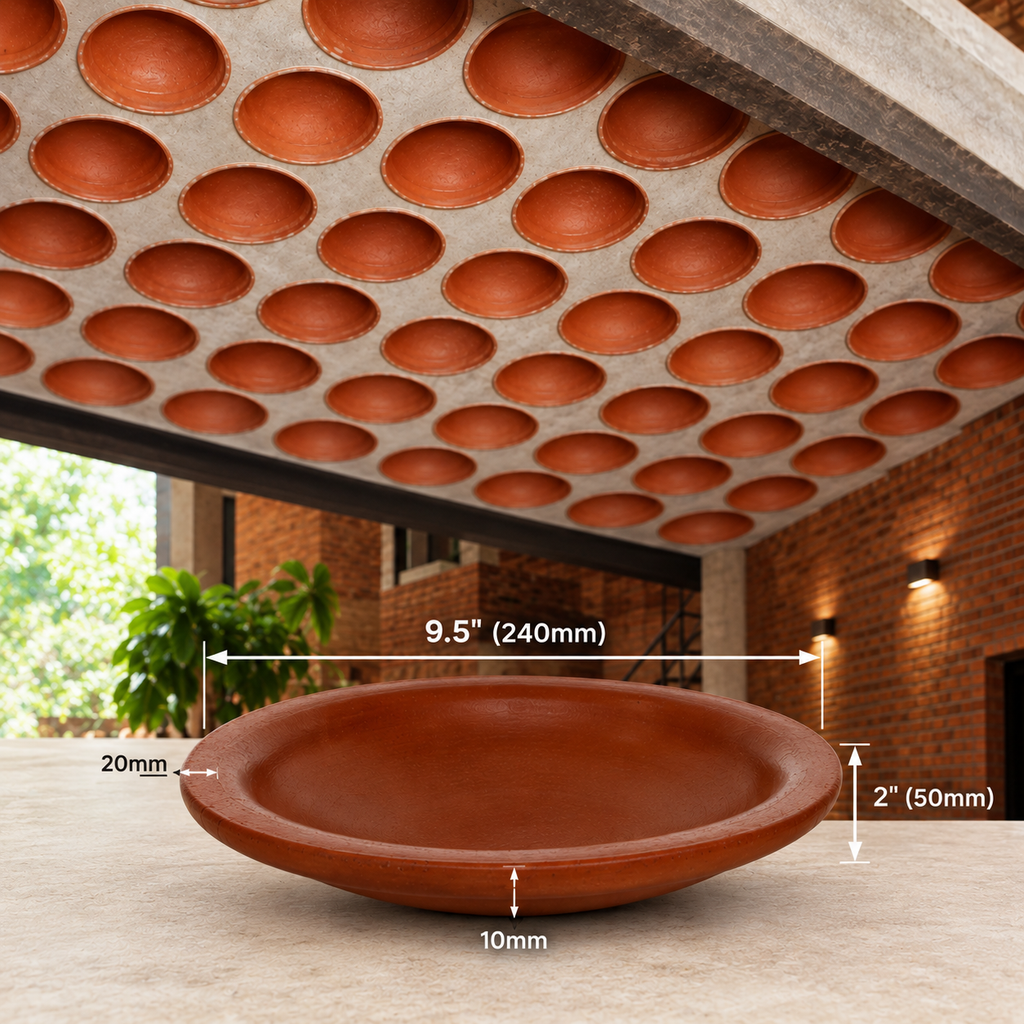
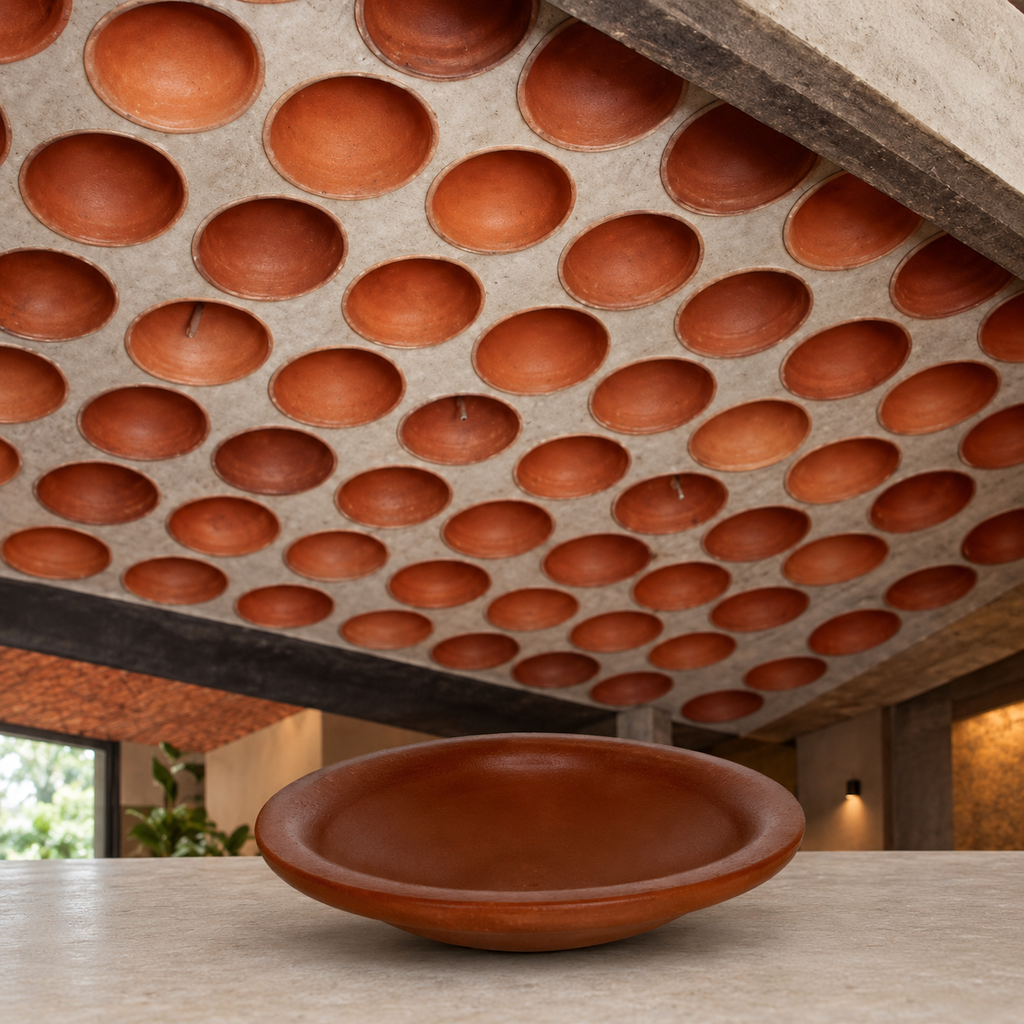
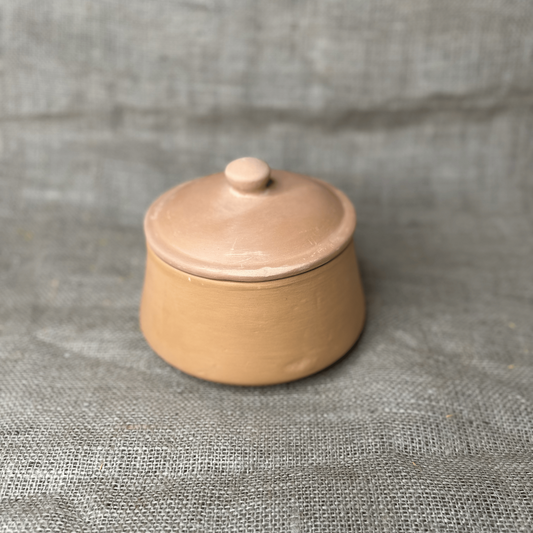
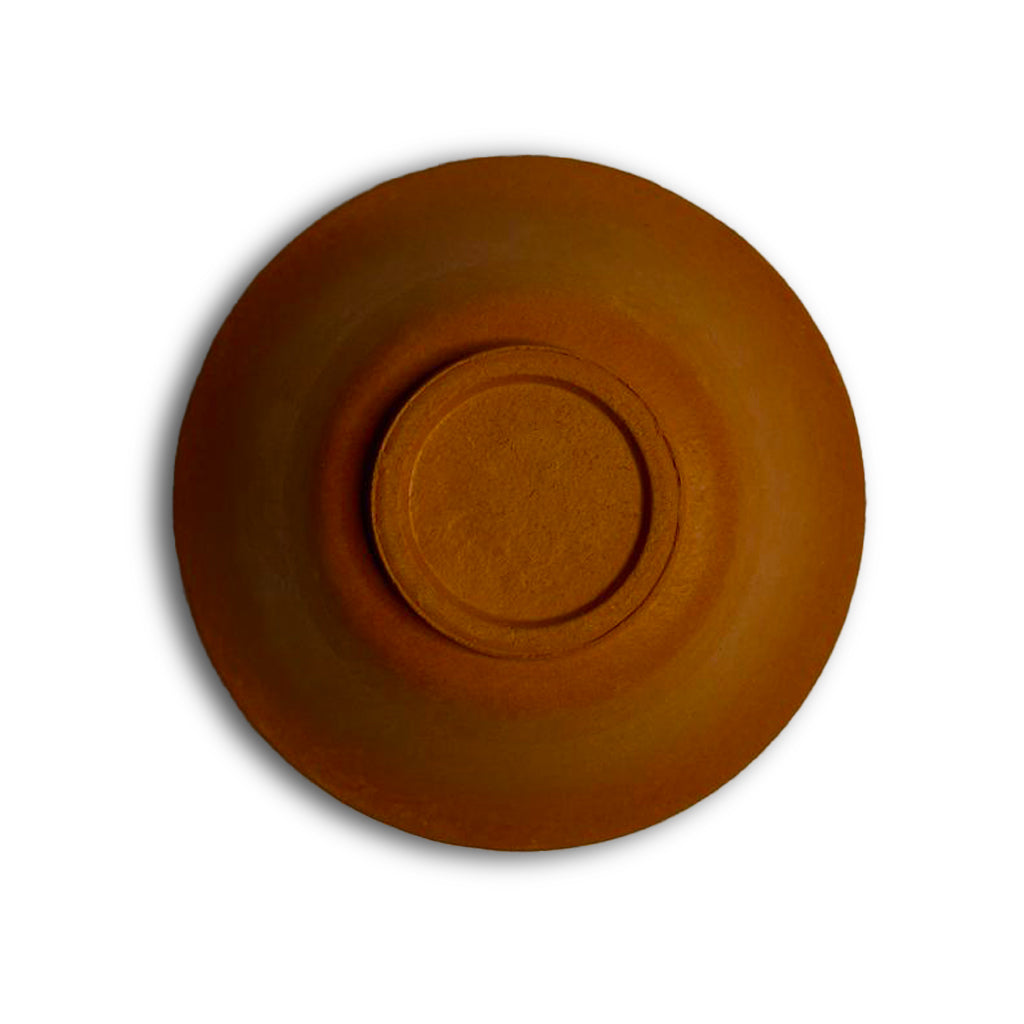
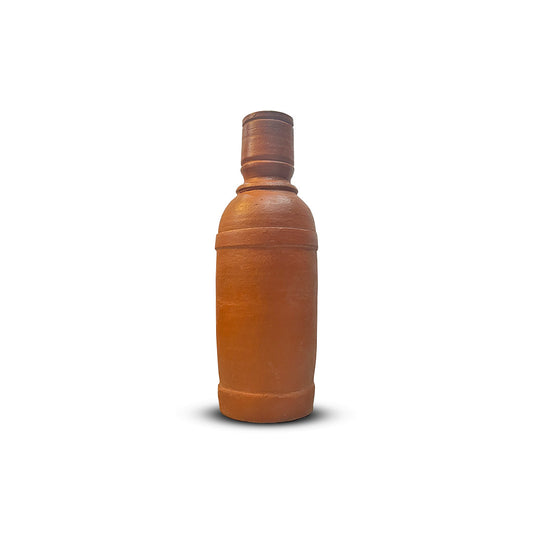
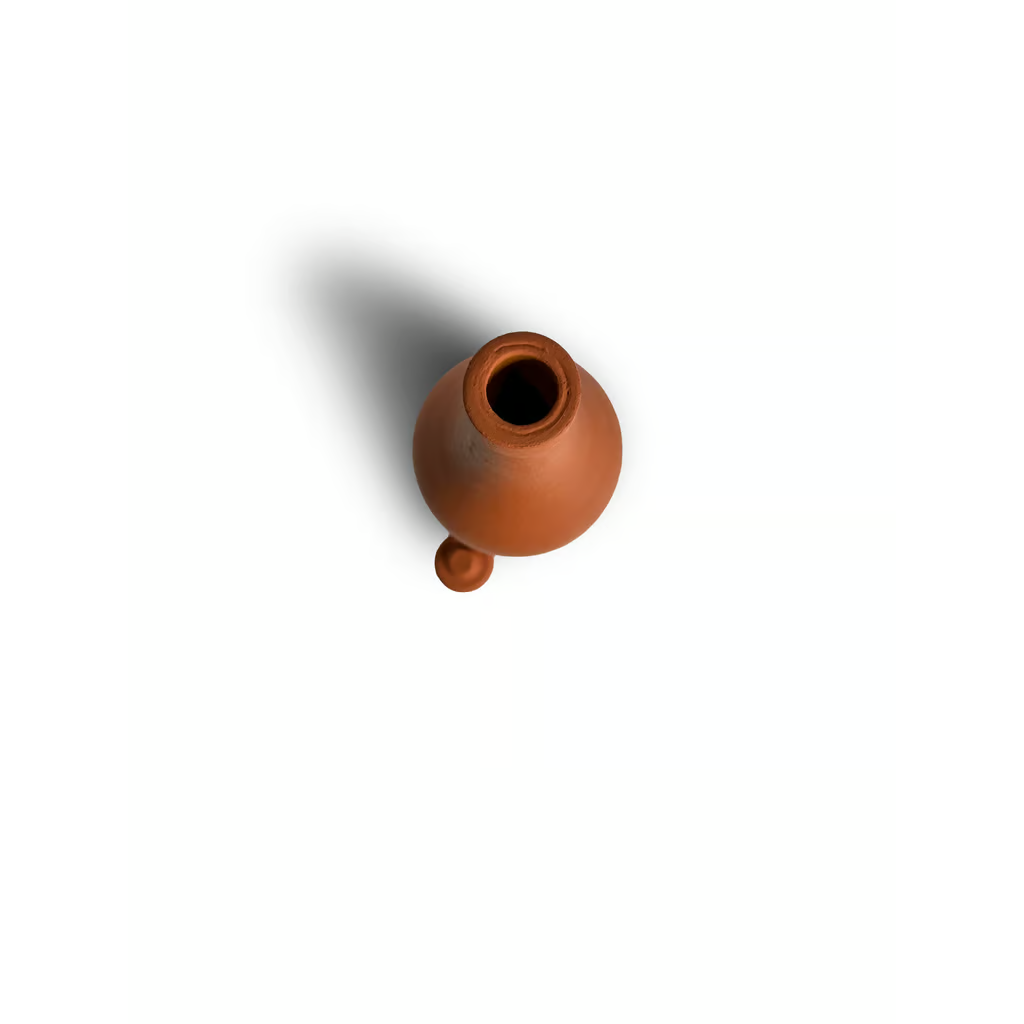
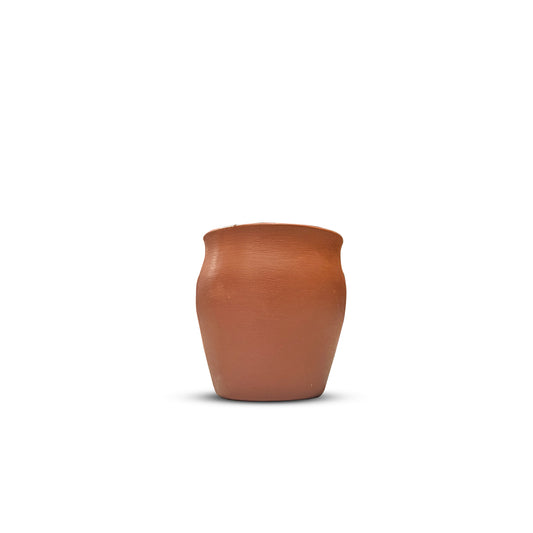
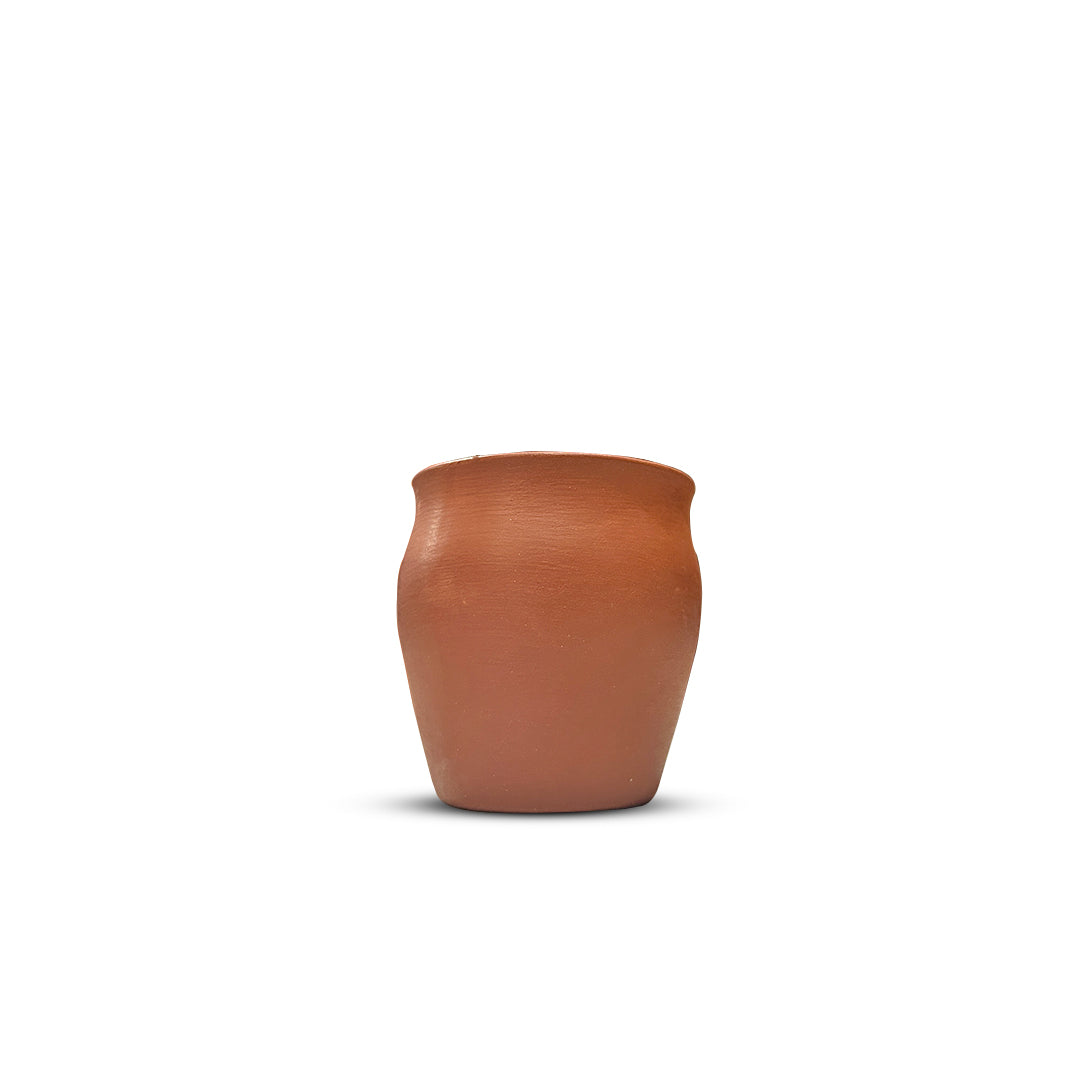
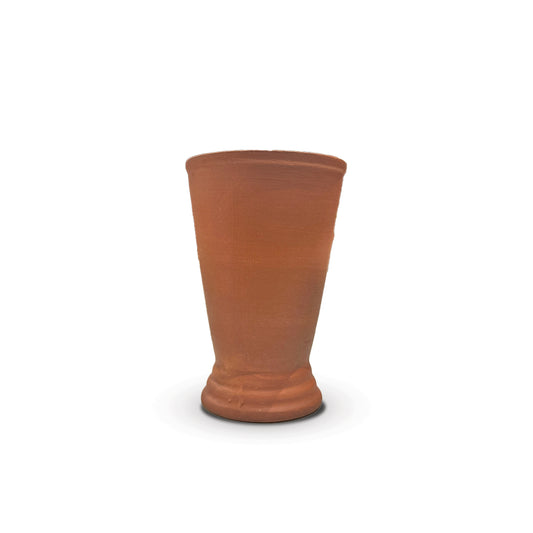
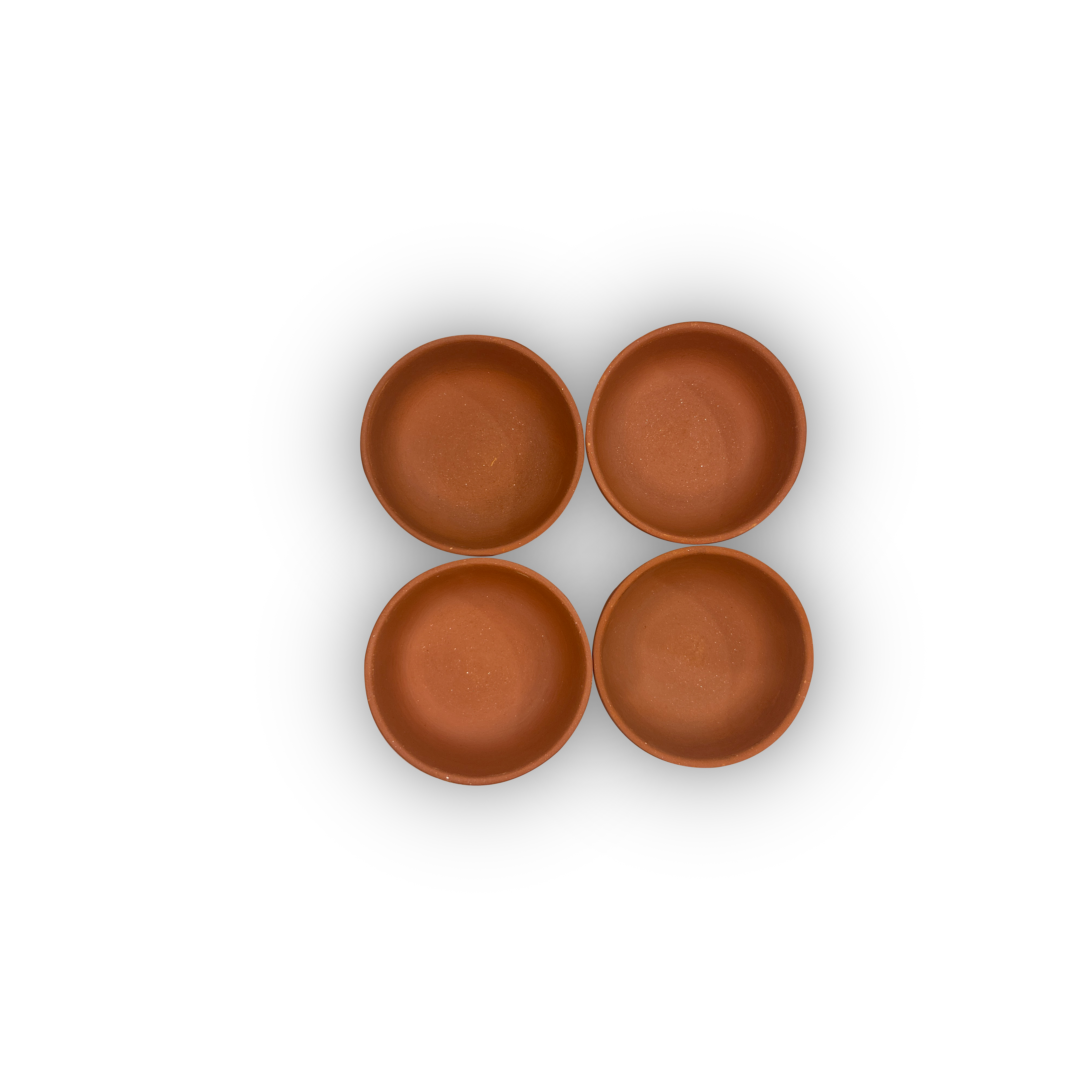
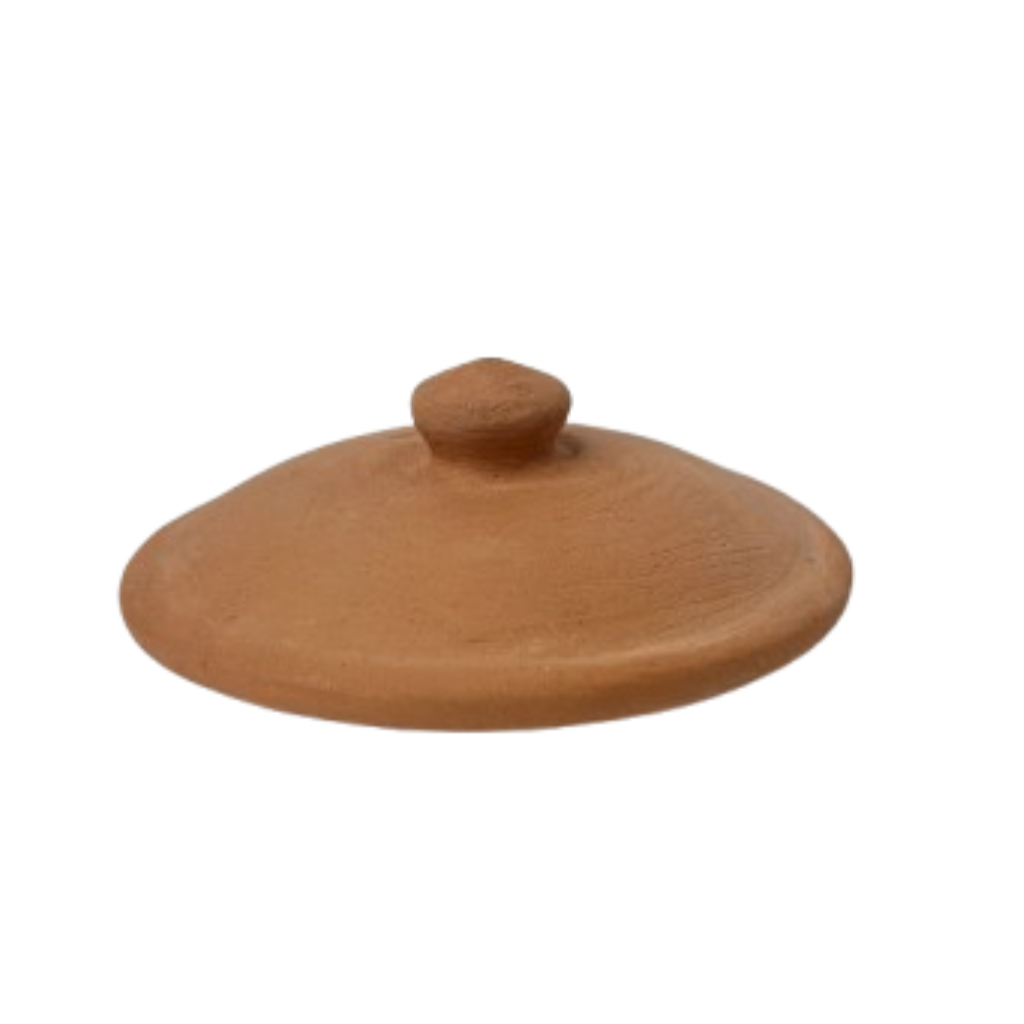
Filler slab construction works by replacing non-structural concrete with filler materials like clay tiles or pots.
The load is still carried by reinforced concrete ribs. The fillers simply occupy the space where concrete is not structurally required. What this creates is voids within the slab. And those voids play a key role in thermal performance.
How Filler Slabs Keep Your Home Cooler?
-
Air Pockets Act as Natural Insulation
Air is a poor conductor of heat. When filler materials create air gaps within the slab, they slow down the transfer of heat from the roof into the interior. It’s a simple principle, but effective. Less heat passes through, which means cooler indoor spaces.
-
Reduced Heat Transfer Through the Roof
A conventional slab allows heat to move directly through a solid mass of concrete. That continuity is broken using classic filler slabs. The path of heat is interrupted, which reduces the overall thermal load entering the space.
-
Passive Cooling Without Energy Use
There’s no dependency on systems here. The cooling effect comes from material behavior and design. Which means it works throughout the day, without consuming energy. Over time, this also reduces reliance on air conditioning.
-
Better Thermal Comfort Throughout the Day
The difference is not always that dramatic at first, but it is noticeable. Spaces heat up slower and retain less heat. That translates to more stable indoor temperatures, especially during peak summer months.
Why Filler Slabs Work Well in Indian Conditions?
Indian climates, especially in most urban regions, involve high temperatures and strong solar exposure. Roofs take the maximum load. Which makes them the right place to intervene.
Using materials like terracotta as fillers further improves performance, as they naturally resist heat.
This is why classic filler slabs are not just a cost decision- they are a climate response.
Additional Benefits Beyond Cooling
Cooling is a major advantage, but not the only one. Here are some more benefits:
-
Reduced concrete usage lowers material cost
-
Lower dead load improves structural efficiency
-
Less concrete also means lower environmental impact
-
Exposed filler patterns can add a distinct visual character
It’s a combination of performance and practicality.
When Filler Slabs Work Best?
They are most effective in:
-
Residential projects, especially top-floor units
-
Regions with high summer temperatures
-
Designs focused on energy efficiency
-
Projects where execution quality is controlled
Like most systems, performance really depends on how well it is implemented.
Common Misconception About Filler Slabs
There’s a tendency to look at filler slabs purely as a cost-saving technique. But, that’s only part of the picture.
When designed and executed properly, their thermal performance becomes just as valuable, and sometimes more.
Conclusion
The way we build has a direct impact on how spaces perform. With rising temperatures, passive solutions are becoming less optional and more necessary.
Classic filler slabs address heat at the source. They reduce how much enters the building, instead of trying to manage it later.
For architects and builders, that shift in approach makes a measurable difference, both in comfort and long-term efficiency. Visit: https://mudkart.com/.
Related post
28
Sep

28
Sep

31
Aug
RECENT POSTS